Spring Septic Maintenance in North Carolina: A Comprehensive Homeowner’s Guide
Spring septic maintenance is not a task to put off if you want your system to run smoothly all year. Many North Carolina homeowners miss key steps that lead to costly repairs later. This guide lays out a clear septic system checklist so you know exactly what to do this season. Keep reading to see how Dahl Septic Services can help you protect your investment with expert inspections and reliable care. For more information, check out this septic system owner’s guide.
Importance of Spring Septic Maintenance
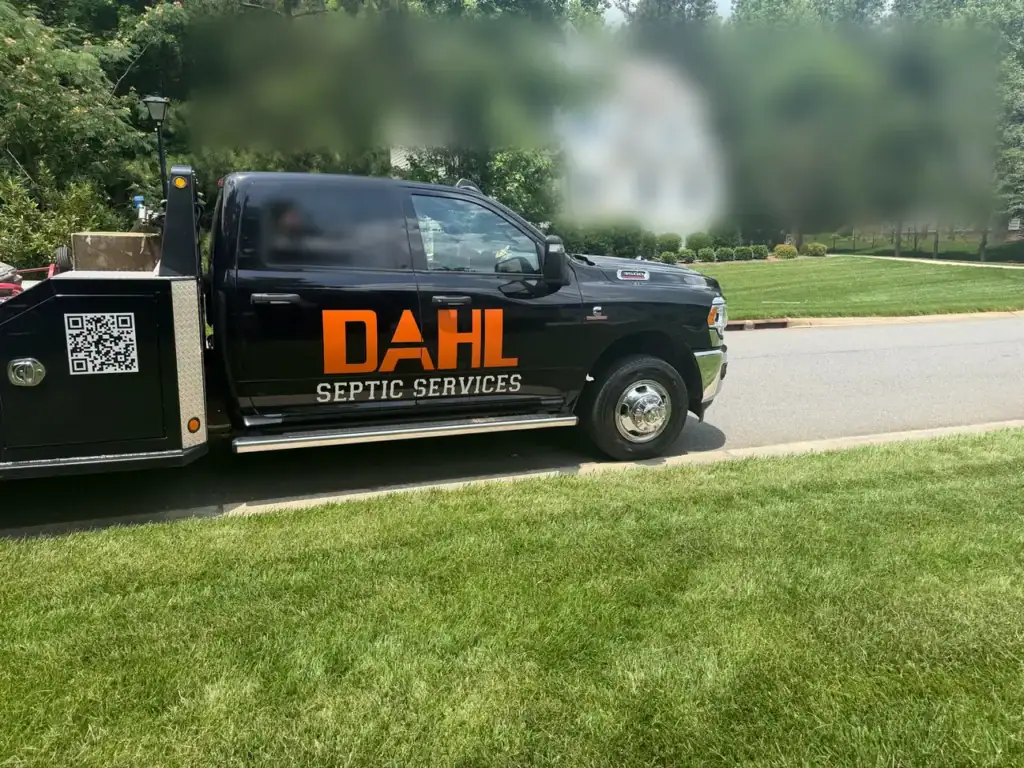
Spring is the perfect time for septic maintenance, ensuring systems run smoothly throughout the year. Learn how seasonal care benefits your home, especially in North Carolina.
Understanding Seasonal Needs
Spring brings rain, and rain affects your septic system. Water from rain can saturate the ground, impacting your drainfield. Ensuring your system is ready for this change is key. You should inspect your septic system now, so it handles the increased water efficiently.
Regular checks are crucial. Your septic tank needs to be assessed and possibly pumped to prevent overflow. This annual task can save you from larger issues later. By understanding how seasons affect your system, you prepare it for the year ahead.
Benefits for North Carolina Homeowners
In North Carolina, septic system maintenance is crucial for protecting your home investment. Regular care helps keep your property safe from unexpected failures. It’s not just about avoiding problems; it’s about ensuring your peace of mind.
Homeowners in areas like Albemarle and Stanly County know the importance of a working septic system. By keeping your system in top shape, you avoid costly repairs and maintain your property’s value. It’s a small effort with a big payoff.
Avoiding Costly Repairs
Skipping septic maintenance can lead to hefty expenses. Repairing a failed system is far more expensive than regular care. A simple inspection can catch issues before they become major headaches.
Most people think they can delay septic care, but this leads to unexpected failures. By staying ahead, you avoid these costly repairs. Regular maintenance is an investment in your home’s future, ensuring it remains safe and efficient.
Essential Spring Septic System Checklist
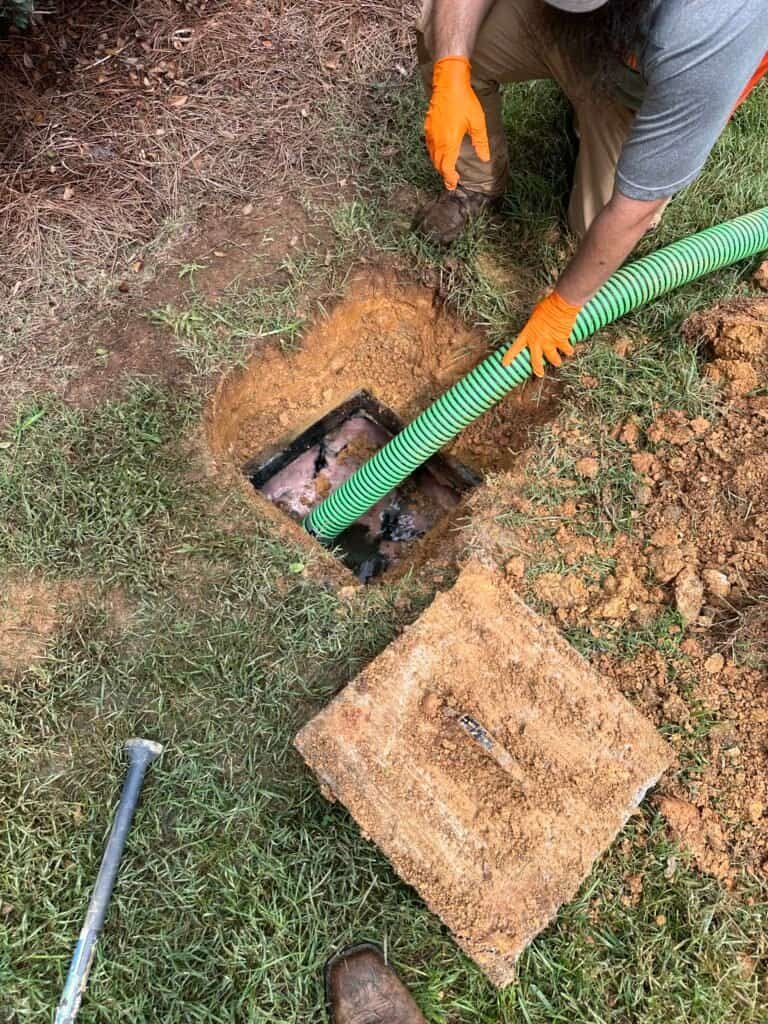
To make sure your septic system is ready for the year, follow this checklist. It covers all the key areas you need to address each spring.
Inspecting and Pumping Your Septic Tank
Check the sludge level: Use a stick or probe tool to see how full your tank is.
Schedule a professional pump: If your tank is near capacity, it’s time to pump. This prevents overflow and system failure.
Inspect tank lids and baffles: Ensure there are no cracks or damages, as these can lead to leaks or blockages.
Pumping your septic tank regularly is essential. It prevents buildup that can lead to system failures. Don’t wait for a problem to occur; proactive pumping saves you money and hassle. Learn more about maintaining your septic system from the EPA.
Evaluating Drainfield Health
The drainfield is a critical component of your septic system. It filters and disperses wastewater. Here’s how to check its health:
Inspect for pooling water: Look for standing water or mud above the drainfield area. This indicates drainage issues.
Assess plant growth: Vibrant green patches may suggest excess moisture from leaks.
Walk the area: Feel for spongy ground, a sign of saturation.
Evaluating your drainfield ensures it functions correctly. Problems here can lead to backups and costly repairs. Regular checks keep your system healthy.
System Upgrades
Ask whether risers or an effluent filter make sense for your system. These options are not only beneficial for the environment but also enhance system performance.
Install water-saving fixtures: Reducing water usage lessens the burden on your septic system.
Use environmentally safe cleaners: Harsh chemicals can disrupt the bacteria in your septic tank.
Consider an advanced treatment unit: These systems improve wastewater treatment, protecting your drainfield.
The right upgrades make service easier. They offer long-term savings and help maintain your system’s health. For more information, review this septic system fact sheet.
Professional Septic Services in Albemarle NC
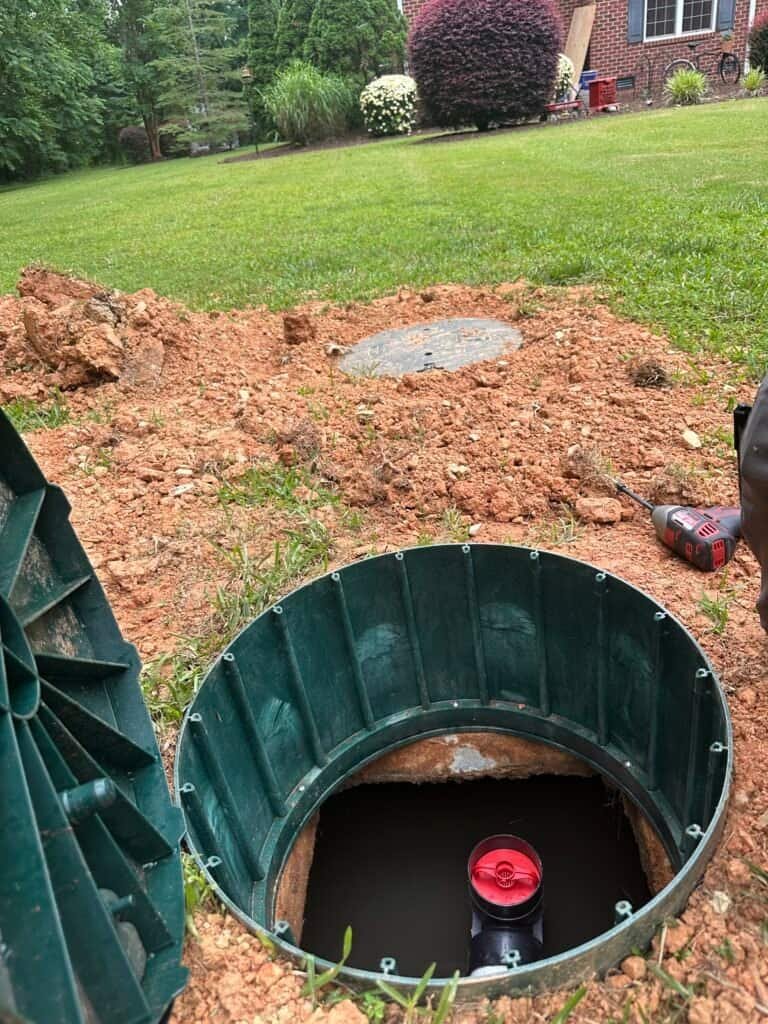
When it comes to your septic system, it helps to work with licensed professionals. Discover why professional services are vital for your home.
Scheduling a Detailed Septic Inspection
A detailed inspection should be scheduled annually. This ensures your system is functioning properly. Inspections catch issues early, preventing costly repairs.
Check all components: A thorough inspection covers tanks, baffles, and drainfields.
Receive a detailed report: Understand your system’s health with a comprehensive inspection report.
Scheduling a professional inspection gives you peace of mind. You know your system is in good hands with experts like Dahl Septic Services.
Advantages of Camera Inspections
A professional inspection gives a clear picture of the system. A camera can spot issues invisible to the naked eye.
Camera inspections: These reveal blockages and damage within pipes.
Sensors for leaks: Early detection of leaks prevents major problems.
Detailed diagnostics: Get a complete picture of your system’s health.
Camera inspections make the results more reliable. This keeps your system running smoothly and efficiently. Check out this septic guide for more insights.
How Dahl Septic Services Can Help
Dahl Septic Services is your reliable partner for all septic solutions. With years of experience, we offer a full range of septic services.
Expert team: Our professionals have the skills and knowledge to handle any septic issue.
Customer-focused: We prioritize your satisfaction, ensuring your needs are met.
Consultations: We can help you decide which upgrades fit your system.
Call Dahl Septic Services for your septic needs. We ensure your system is functioning optimally, providing peace of mind and protecting your home investment.
Warning Signs and Solutions
Even with regular care, issues can arise. Knowing what to look for helps you address problems quickly. This section outlines warning signs and offers solutions to keep your system running smoothly.
Recognizing Signs of Septic Failure
Spotting early signs can prevent major repairs. Look for slow drains, foul odors, or soggy ground. These can indicate a failing system. Addressing these signs early prevents more severe issues.
Slow Drains: Could mean clogs or backups.
Bad Smells: May indicate leaks.
Wet Spots: Suggest a failing drainfield.
Common Septic System Repairs
Sometimes, repairs are necessary. Common fixes include replacing baffles or addressing tree root intrusion. These repairs help maintain system health. If you notice these issues, contact a professional for an assessment.
Drainfield Care and Maintenance
Your drainfield plays a crucial role in system health. Avoid parking or planting trees near this area. Regular care ensures proper function and prevents costly repairs. Learn more about drainfield care to protect your system.
Septic-Safe Habits
Septic-safe habits help your system work as designed.
Septic Inspection Methods
Camera inspections offer detailed views of your system, identifying issues not visible to the naked eye. These insights ensure your system is operating at peak efficiency.
Benefits of Effluent Filter Cleaning
Effluent filters keep solids out of the drainfield, preserving its function. Regular cleaning prevents clogs and maintains system health. It’s a simple task with significant benefits.
System Upgrades and Options
Ask whether risers, effluent filters or other upgrades make sense for your system. Check out this guide for more options.
In conclusion, taking the time to maintain your septic system this spring will pay off. By following these steps, you ensure your system runs smoothly and efficiently, protecting both your home and the environment.
Preparing Your Septic System for Spring
Spring brings new challenges and opportunities for your septic system. It’s a time to ensure everything is in top shape to handle increased water use and potential flooding.
Importance of Spring Septic Maintenance
Spring is an important season for septic care. As snow melts and rain increases, your system faces extra water flow. This can strain even well-maintained systems. Regular checks help avoid unexpected issues and costly repairs. When you maintain your system, you protect your home and wallet. Most people think their systems are always fine, but extra moisture can reveal hidden problems. Early action can save you from expensive repairs later.
Spring Septic System Checklist
A checklist can simplify your spring septic maintenance. First, inspect the area around your tank for water pooling. This could indicate drainage issues. Next, schedule a septic inspection. This reveals any hidden issues before they escalate. It’s also a good time to check for signs of wear and tear. Most homeowners find small repairs prevent large breakdowns. Finally, consider pumping your tank if it’s been a few years. This keeps your system efficient and prevents overflow.
Drainfield Protection Tips
Your drainfield is vital to septic function. Protecting it ensures your system works well. Avoid parking vehicles on it, as heavy weight can compact the soil and damage pipes. Use water wisely in the home to reduce pressure on the field. Plant grass or shallow-rooted plants over the drainfield. They help absorb water and prevent erosion. Remember: the longer you wait to protect your drainfield, the greater the risk of costly repairs.
Expert Tips for Septic System Care
With spring prep underway, let’s look at ways to keep your septic system in perfect shape year-round.
Effluent Filter Cleaning Guide
Effluent filters are essential for keeping your system running smoothly. They trap solids that could clog the drainfield. Most systems need filter cleaning once or twice a year. To clean, locate the filter in your septic tank’s outlet pipe. Remove and rinse it with a hose. Be careful not to damage the filter. Regular cleaning extends your system’s life and keeps repairs at bay. If you’re unsure, a professional can help ensure it’s done right.
Septic Alarm and Baffle Check
Alarms and baffles protect your system from overflow and damage. They alert you to high water levels and keep solids in the tank. Check these components during regular maintenance. Test the alarm by manually lifting the float. If it doesn’t sound, it may need replacing. Inspect baffles for cracks or wear. These small checks prevent larger issues and ensure your system functions correctly. Many homeowners overlook these, but they’re key to avoiding costly repairs.
Septic Tank Pumping in North Carolina
Pumping is crucial for healthy septic systems. In North Carolina, it’s recommended every 3-5 years, depending on usage. Regular pumping removes solids and prevents clogs, ensuring longevity. Most homeowners believe their tanks will signal when full, but waiting can cause backups. Scheduling a pump keeps your system efficient and reduces the risk of overflow. If you’re unsure when to pump, ask a professional for advice tailored to your usage and system size.
Septic Inspection North Carolina Checklist
A detailed checklist can guide you through maintaining your system effectively, ensuring it operates smoothly throughout the year.
Comprehensive System Check
A full inspection involves examining key components: the tank, pipes, and drain field. Each part plays a crucial role in your system’s health. Tanks should be pumped every 3-5 years to prevent overflow. Checking the pipes for clogs or damage is vital. The drain field must be free from excess water and debris. A professional can assess these parts quickly, keeping your system in top condition.
Detailed Inspection Timeline
Regular inspections keep your system functioning. Start with an annual check in spring. If your system is older or heavily used, consider more frequent inspections. Create a timeline to track when each part was last checked or maintained. This helps you stay organized and proactive, reducing the risk of sudden failures. Explore more about septic system care.
Camera Inspections
Using camera technology during inspections offers a clear view of your system’s interior. This method uncovers hidden issues without digging up your yard. Cameras can detect blockages, leaks, or damage, allowing precise repairs. It’s a non-invasive way to ensure your system is working well. By catching problems early, you avoid costly repairs later.
Need the tank pumped? Dahl Septic Services offers scheduled septic pumping across Union, Stanly, Mecklenburg and Cabarrus counties, including homes in Stanly County. For more on this topic, read Spring Rain Ready: Protect Your Septic System in North Carolina and How Summer Storms Affect Septic Systems in North Carolina—and What Homeowners Should Do Next.