Summer storms in North Carolina don’t just bring heavy rain—they put your septic system at serious risk. When drainfields flood or tanks overflow, you can face costly repairs and health hazards. Knowing the warning signs and taking quick action can protect your home and property. Keep reading to learn how summer storms affect septic systems and what you should do next to stay safe. Learn more about maintaining your septic system here.
Impact of Summer Storms on Septic Systems
Summer storms can wreak havoc on septic systems, leading to unexpected and costly issues. Understanding these impacts is crucial for homeowners.
Heavy Rain and Septic Tanks in NC
Heavy rain can saturate the ground, affecting how your septic system functions. When the soil becomes too wet, it can’t absorb liquids efficiently, leading to potential overflow. This overflow not only risks your yard but also poses health hazards, as untreated wastewater may surface. It’s important to recognize that this is a common issue in North Carolina, where summer storms are frequent.
Septic Backup After a Storm
Storms can cause backups in your septic system, leading to wastewater returning to your home. This often happens when the drainfield is too saturated to function properly. If you notice slow drains or unusual odors after heavy rain, don’t ignore them. These are telltale signs of a possible septic backup, which requires immediate attention to prevent further damage and costly repairs.
Flooded Drainfields in North Carolina
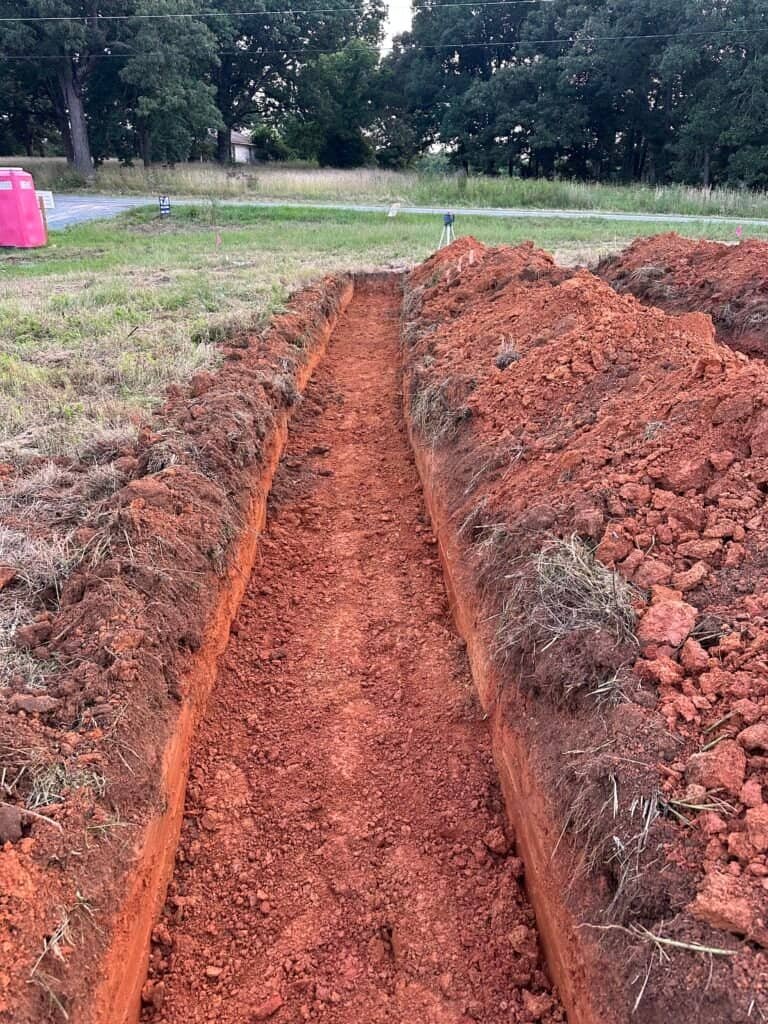
Flooded drainfields are a significant risk during heavy storms. When excess water accumulates, it can saturate the drainfield, preventing it from processing waste correctly. This can lead to untreated wastewater pooling on the surface. Such conditions not only damage your property but also pose serious health risks. Regular inspections can help ensure your system is prepared to handle these weather conditions.
Detecting and Responding to Septic Issues
Recognizing early warning signs and knowing how to respond can save you from extensive damage and repair costs.
Septic System Flooding Warning Signs
Look out for warning signs like gurgling sounds in your pipes, slow draining sinks, and foul odors. These can indicate that your system is struggling with excess water. Keeping an eye on these signs allows you to take action before small issues escalate.
Immediate Steps for Septic Safety
If you suspect septic issues after a storm, reduce water use immediately. Avoid flushing toilets or using large amounts of water. This can help reduce the strain on your system. Contact a septic professional promptly to assess and address any damage. Quick action can prevent further complications and health hazards.
Urgent Septic Problems in NC
When problems arise, it’s crucial to have a reliable service on hand. If sewage is backing up or surfacing, call or text (704) 218-9070. Office hours are Monday to Friday, 8am to 5pm; after-hours calls, texts and emails are handled by urgency. Save the number now so you have it if a problem comes up.
Maintaining and Protecting Your Septic System
Regular maintenance is key to keeping your septic system functioning efficiently through all seasons.
Septic Inspection in Albemarle NC
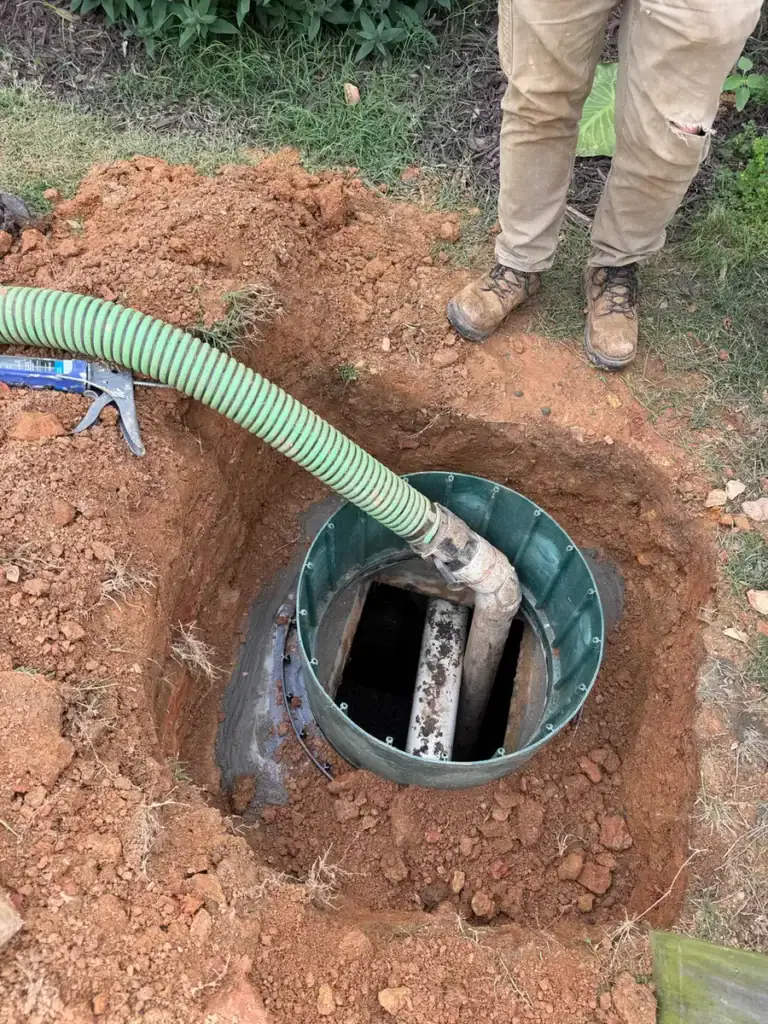
Routine inspections are essential, especially in areas like Albemarle, NC. A professional inspection identifies potential issues early, preventing costly repairs. Scheduling regular check-ups can help maintain the health of your system and keep it prepared for unexpected weather events.
Septic-Safe Habits After a Storm
Easing water use after heavy rain and keeping runoff off the drainfield help your system last. Consider using biodegradable products and reducing chemical use. These practices support your system in breaking down waste more effectively.
Septic System Maintenance Tips
Regular Pumping: Schedule pumping every 3–5 years.
Mindful Usage: Avoid overloading your system with water and waste.
Protect Your Drainfield: Keep heavy objects off your drainfield to prevent soil compaction.
Understanding Storm-Related Septic Risks
Storms can wreak havoc on your system, leading to costly repairs if unprepared. Here’s what you need to know about common risks.
Common Storm-Related Risks
Heavy rains can overwhelm your system, causing backups and leaks. Most people think their system is safe, but excessive water can saturate the drainfield. When the ground is too wet, it can’t absorb waste, leading to backups. Roots from nearby trees may also infiltrate pipes, causing blockages. Protecting your system starts with understanding these risks.
Impact of Heavy Rain on Systems
Rain can flood the tank, disrupting its balance. Your septic system relies on bacteria to break down waste. Floodwaters dilute this balance, slowing down the process. With prolonged rain, your tank might fill too quickly, increasing pressure and risk of overflow. This can lead to untreated waste reaching the surface, posing health risks. Awareness of these impacts can help you act before problems arise.
Septic Tank Flooding Prevention Tips
Prevent flooding by ensuring your system is ready. Start by clearing gutters and downspouts to direct water away. Keep vehicles and heavy equipment off the drainfield to avoid soil compaction. Regularly pump your tank to maintain capacity. Installing a septic riser and effluent filter can also help manage excess water. These steps can save you from costly repairs.
Practical Steps for Storm Preparation
Knowing the risks is half the battle. Now, let’s explore actionable steps to prepare your system for storms.
Pre-Storm Septic Inspection Benefits
Inspections offer peace of mind before storms hit. A qualified professional will check for vulnerabilities, such as cracks or clogs. They can also verify that your system handles water efficiently. By scheduling a pre-storm inspection, you can pinpoint issues before they escalate. This proactive step could save you from future headaches and expenses.
Drainfield Protection Tips
The drainfield is crucial for water absorption. Start by ensuring it’s clear of debris and vegetation. Keep an eye on the grass; unusually lush growth may indicate trouble. Avoid planting trees nearby, as roots can invade and damage pipes. By following these tips, you maintain a functional drainfield ready to handle stormwater.
Urgent Septic Problems in NC
When storms threaten, it helps to have a septic company number saved. Office hours are Monday to Friday, 8am to 5pm; after-hours calls, texts and emails are handled by urgency. They provide essential support, from pumping to repairs. Keep their number handy, as quick action can minimize damage. Knowing help is just a call away adds security during stormy seasons.
Frequently Asked Questions
What are the common signs of septic system failure?
Common signs include slow drains, foul odors, and pooling water in the yard. These indicate your system may be overwhelmed, especially after storms.
How often should I schedule septic inspections?
It’s recommended to have your septic system inspected at least once a year to catch any potential issues early.
What should I do if my septic system backs up after a storm?
Limit water usage immediately and contact a septic service professional. Quick action can prevent further damage.
By understanding how summer storms impact your septic system, you can take proactive measures to protect your home. Regular maintenance, timely inspections, and recognizing warning signs are critical steps in ensuring your system operates smoothly year-round.
Need the tank pumped? Dahl Septic Services offers scheduled septic pumping across Union, Stanly, Mecklenburg and Cabarrus counties, including septic pumping for homes in Monroe, NC. For more on this topic, read Cheapest Septic Tank Pumping Near Me in Albemarle, NC? Get Real Value Without Risking Your System and Septic Tank Pumping Near Me: Local Service Within 20 Miles of Albemarle, NC.