
Many homeowners and buyers near the North Carolina–South Carolina border run into surprises with septic permits. If you’re used to North Carolina, where the county health department issues septic permits, South Carolina works differently. Since July 1, 2024, SC septic permits have come from the South Carolina Department of Environmental Services (SCDES), which took over this work when the old SCDHEC was split into two agencies. Many listings, forums and older guides still say “DHEC.” Dahl Septic Services is an SC Tier 3 licensed onsite wastewater installer (SC Tier 3 installer license #OSWWI0714), and we can walk you through what SCDES will ask for. Keep reading for the steps, in order, and what to check before you buy.
Understanding SC Septic Permits (SCDES, Formerly SCDHEC)
The SC septic permit process can feel unfamiliar if you’re used to North Carolina’s system. It’s run by SCDES now, not DHEC. Here’s how it differs and what you need to know.
Key Differences Between SC and NC
In South Carolina, septic permits are handled by the South Carolina Department of Environmental Services (SCDES). Before July 1, 2024, they came from the Department of Health and Environmental Control (DHEC). That year state law split DHEC in two, and onsite wastewater (septic) went to SCDES. In North Carolina, your county health department issues the permit. In South Carolina, one state agency does it through regional offices, under Regulation 61-56, Onsite Wastewater Systems. The application is filed online, and SCDES judges the lot with a soil evaluation, not a perc test. SCDES says it hasn’t used perc tests since the late 1970s.
Steps in the Permit Application Process
SCDES lays out the process in this order:
- Check for sewer. Ask your town or county whether public or community sewer is available. If it isn’t, you’ll need a septic permit.
- Apply online. The property owner files the Onsite Wastewater System Application (form D-1740) through the SCDES ePermitting Portal, with a copy of the property’s plat or deed and the site evaluation fee.
- Site and soil evaluation. An SCDES inspector visits the lot and looks at soil, landscape, setbacks and the number of bedrooms. If the site is above the Fall Line, you’ll need backhoe pits dug for the evaluation. A licensed Professional Soil Classifier can also do the soil work.
- Permit to Construct. If the site is approved, SCDES issues a Permit to Construct, which is good for five years. If it isn’t, the inspector will go over other options with you.
- Installation by a licensed installer. The system must be put in by an SCDES-licensed installer, and it has to be inspected before it’s covered.
- Approval to Operate. Once the installation passes, SCDES issues an Approval to Operate.
Repairs and replacements are handled a little differently. SCDES asks to be notified before a system or its parts are relocated or replaced, so it can decide whether a permit is needed. SCDES’s How to Apply flyer sums up the steps.
Why the Soil Evaluation Matters in South Carolina
The soil evaluation decides whether a lot can have a septic system and what kind. The SCDES inspector takes at least two soil borings where the system will most likely go. Soil color shows how high the water table rises in the wettest part of the year, and soil texture shows how fast water moves through the ground and how well the soil filters it. Clay-heavy soil needs a much larger drain field than sandy soil. If a lot can’t support a conventional or alternative system, SCDES may point you toward a specialized (engineered) design from a professional engineer and soil scientist. Some lots can’t support a septic system at all. That’s why SCDES suggests checking soils before you settle on a house location or bedroom count.
Dahl Septic Services: Your Local Septic Contractor
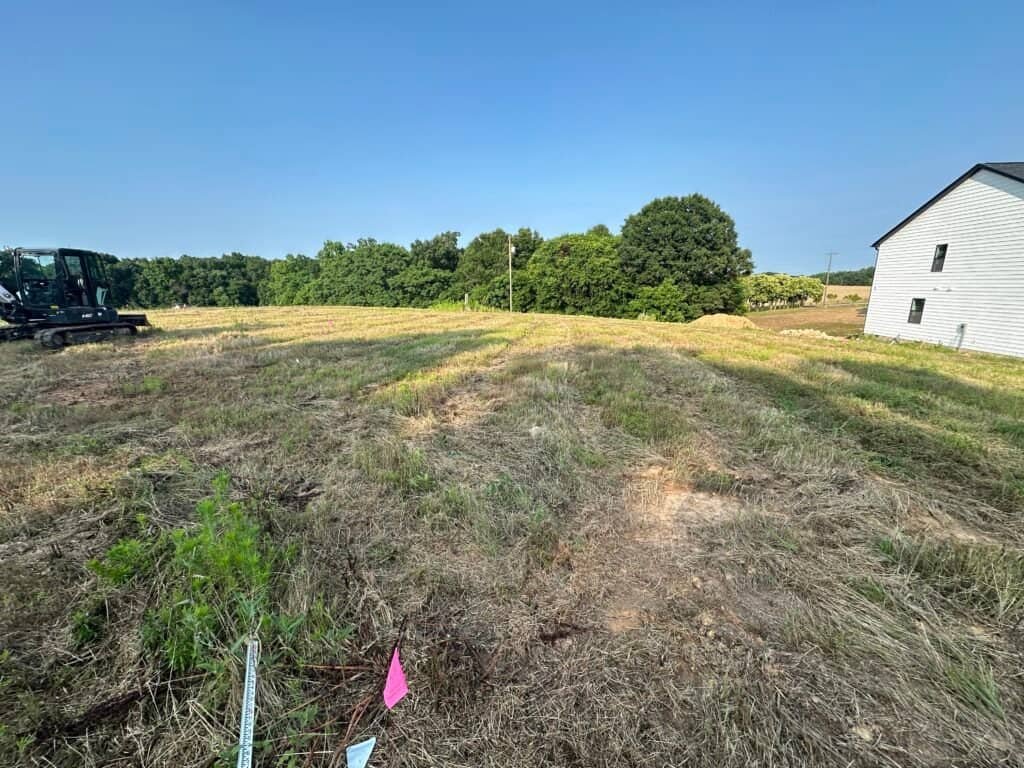
Dahl Septic Services is based in Albemarle, NC and works on both sides of the state line. In North Carolina we hold NC license #9407I. In South Carolina we’re an SC Tier 3 licensed onsite wastewater installer (SC Tier 3 installer license #OSWWI0714), the SCDES tier that covers conventional, pump, and Standard 610 engineered systems, plus repairs. We were founded in 2023, backed by over a decade of hands-on septic experience.
Comprehensive Septic Inspections in NC
On the North Carolina side, we inspect septic systems for buyers, sellers and owners. We locate and open the tank, check the baffles, liquid level and solids, look over the drain field area, and check the pump, floats and alarm on pump systems. You get a written report on what we found. If you’re buying in NC, see our real estate septic inspections page.
Permit-Readiness and Site Reviews
SCDES asks owners to prepare the site before the evaluation, and the official soil evaluation is done by SCDES staff or a licensed soil classifier, not by the installer. Where we can help is before you apply. We can walk the lot with you and point out things SCDES says to watch for: rock near the surface, steep slopes or gullies, wet or flood-prone ground, fill dirt, and the space needed for setbacks and a repair area. Then, once the Permit to Construct is issued, we can install the system it calls for. See SCDES’s guide on how to properly prepare your site (video on the SCDES septic page).
Camera Inspections and Tank Locating
We run a camera through lines when something needs a closer look, and we find buried tanks by probing and with a sonde locator. That’s useful on older border properties where nobody knows where the tank is. In South Carolina, copies of existing septic permits and final inspections come from SCDES Customer Support at 1-855-731-2504, and a permit drawing can make the tank and lines easier to find.
Preparing for Border Property Purchase
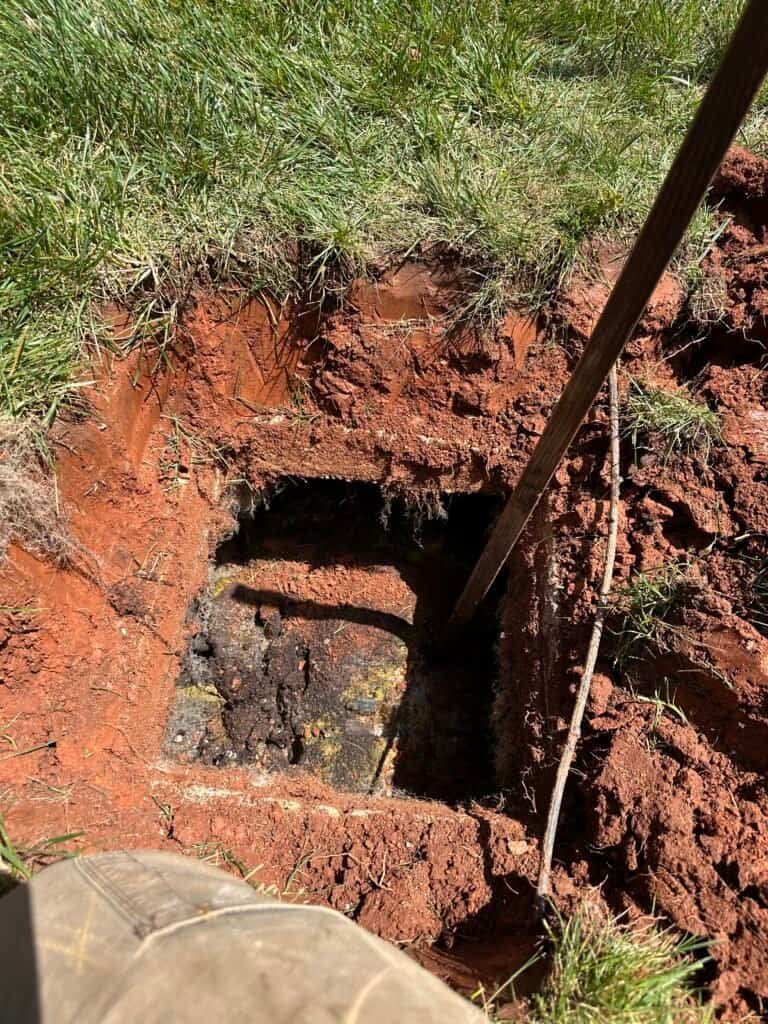
When you’re buying near the NC–SC line, first confirm which state, and which county, the septic system is permitted in. That tells you whose rules and records apply.
Septic Considerations for NC–SC Border Buyers
For land or a lot in South Carolina, SCDES recommends a few checks before you buy. Ask the local government whether public sewer and water are available. Make sure there’s room for the system and its setbacks: 5 feet from buildings and property lines, 75 feet from a private well or surface water, 100 feet from a public well, and 25 feet from a drainage ditch. Watch for rock, steep slopes, flooding, wet ground, wetlands and fill dirt. Remember that the county won’t issue a building permit without the septic permit. If you’re adding bedrooms to an existing SC home, you’ll need to apply for a septic upgrade.
Ensuring Proper Documentation for Lenders
Some lenders ask about the septic system before closing. For an SC property, start with SCDES: request copies of the permit and final inspection from SCDES Customer Support (1-855-731-2504). For an NC property, start with the county health department. Then ask your lender exactly what it needs, since requirements vary by lender and loan type.
Real Estate and Pre-Purchase Septic Inspections
South Carolina law doesn’t require an inspection of an existing septic system when a home sells, though some local ordinances add their own rules. SCDES also won’t inspect a system on request. It tells owners to hire a licensed septic professional. That makes a pre-purchase inspection the buyer’s call. It’s worth doing, because problems found before closing are easier to plan for. We do real estate septic inspections on both sides of the line: in South Carolina we’re an SC Tier 3 licensed onsite wastewater installer (SC Tier 3 installer license #OSWWI0714), and in North Carolina we inspect under NC license #9407I. Book early in your due-diligence period. If an SC tank needs pumping, that’s done by an SCDES-licensed pumper/hauler. See our real estate septic inspections page.
Frequently Asked Questions
Does South Carolina use a perc test for septic permits?
No. SCDES says it hasn’t used perc tests since the late 1970s, because a site can pass in a dry season and fail in a wet one. Instead, an SCDES inspector (or a licensed soil classifier) evaluates the soil’s color and texture from borings or backhoe pits.
How do septic permits differ between North and South Carolina?
In North Carolina, the county health department issues septic permits. In South Carolina, the state Department of Environmental Services (SCDES) does, through its regional offices. SCDES took over from DHEC on July 1, 2024. In SC you apply online through ePermitting, get a Permit to Construct, and receive an Approval to Operate after the installation passes inspection.
Why should I schedule a pre-purchase septic inspection?
An inspection shows you the condition of the tank, the drain field area and any pump parts before you commit. In South Carolina it’s usually optional, because state law doesn’t require one at sale, so it’s up to the buyer to ask for it.
What documentation is needed for septic permits in South Carolina?
You need the Onsite Wastewater System Application (form D-1740), filed through the SCDES ePermitting Portal, plus a copy of the property’s plat or deed and the site evaluation fee. SCDES does the site and soil evaluation after you apply. There are no perc test results to submit. Engineered (Standard 610) systems also need a design from a South Carolina professional engineer.
How can Dahl Septic Services assist with septic permits?
In South Carolina, we’re an SC Tier 3 licensed onsite wastewater installer (SC Tier 3 installer license #OSWWI0714). We can walk the lot with you before you apply, explain each SCDES step, do real estate septic inspections for SC home sales, and install the system on your Permit to Construct, including engineered designs. In North Carolina, we work with the county health department process under NC license #9407I. Call or text (704) 218-9070, or request a quote.
Want a professional look at your system? Dahl Septic Services offers septic inspection service across Union, Stanly, Mecklenburg and Cabarrus counties, including homes in Locust. For more on this topic, read How to Find Septic Tank Records Online in North Carolina and Septic Permit Search in North Carolina: What to Know Before You Buy or Build. In South Carolina, see our Pageland, SC and Lancaster County, SC pages.