Late summer heat and heavy water use can push your septic system to its limits. Ignoring early warning signs like slow drains and soggy yard spots invites costly damage. Knowing these late summer septic warning signs helps you act before problems escalate. Keep your system running smoothly with a septic inspection North Carolina homeowners trust. For more information, check out this guide.
Recognizing Late-Summer Septic Red Flags
Transitioning from summer to fall brings unique challenges to your septic system. By spotting early signals, you can prevent bigger issues down the road.
Slow Drains and Gurgling Pipes
Slow drains might seem minor, but they hint at bigger problems. When water takes forever to go down, it often means clogs or backups are forming. Listen for gurgling sounds in your pipes as they suggest trapped air, indicating blockages. Ignoring these signs could lead to full-on septic backup, disrupting your home’s plumbing. Deal with the issue promptly to avoid a mess. If you’re noticing these symptoms, consider a septic inspection North Carolina homeowners frequently rely on.
Septic Odor Sulfur Smell Yard
A yard with a distinct sulfur smell is a red flag. This rotten egg odor often signifies that sewage isn’t breaking down as it should, which could mean a problem with your septic tank. If the smell is strong, it’s a warning sign that your system might be leaking. This issue not only affects your comfort but also poses health risks. Addressing it quickly can save you from costly solutions later.
Soggy Yard and Drainfield Wet Spots
Wet spots or soggy patches in your yard can signal trouble. These spots often emerge when your drainfield fails and sewage surfaces. The water table might be high, or your system could be overloaded. Either way, these symptoms suggest your septic system isn’t handling waste efficiently. If you notice unusual wet spots, it’s time to act before the problem worsens.
Seasonal Risks Impacting Septic Systems
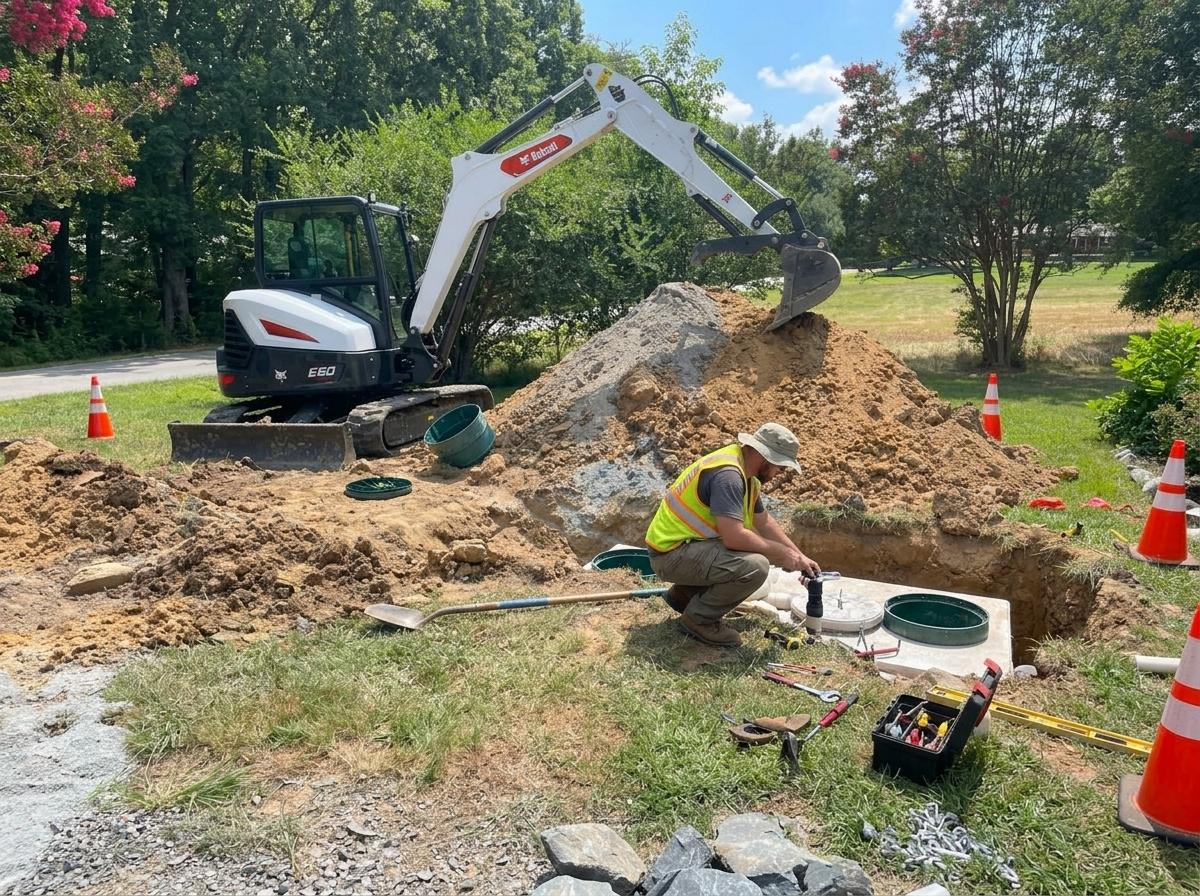
As seasons shift, your septic system faces changing pressures. Understanding these can help you prepare and protect your home effectively.
High Water Table North Carolina
North Carolina’s high water table poses a threat to your septic system. Excess groundwater can flood your drainfield, reducing its ability to filter waste. This situation often leads to backups and inefficiency. Ensure your system is ready for these conditions with routine inspections, so you don’t face unexpected failures.
Hurricane Season Septic Prep
Hurricane season demands extra precautions for your septic system. Storms bring heavy rains that can overwhelm your system. When preparing for a storm, remember to check your tank levels. A full tank during a hurricane increases the risk of overflow. Proper maintenance now prevents stress later when severe weather hits.
Heavy Water Use Challenges
Late summer often means increased water use. Whether it’s extra laundry, showers, or gardening, your system endures greater stress. High usage can lead to overload and slow drainage. To combat this, monitor your water habits and spread out high water activities. Regular maintenance can manage heavy use more effectively, ensuring your system remains functional.
Proactive Septic Maintenance Tips
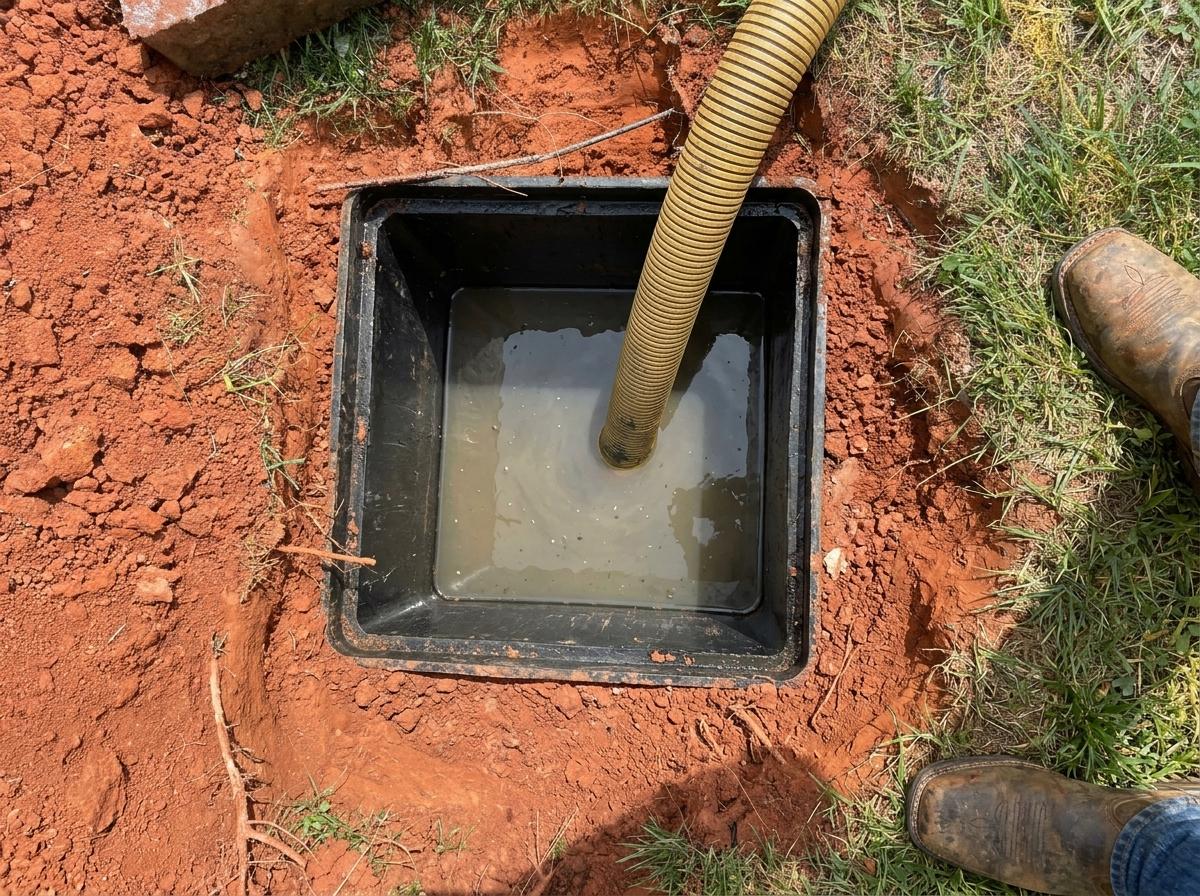
Taking care of your system routinely can prevent unpleasant surprises. Here are some proactive measures to keep it in top shape.
Septic Tank Pumping NC
Routine pumping is crucial for your septic system’s health. Pumping every 3–5 years keeps your system from overflowing and maintains its efficiency. It’s a simple step that prolongs the life of your system. Schedule a pumping session to keep everything running smoothly. If you’re in North Carolina, find reliable septic tank pumping services nearby.
Advanced Septic Inspection Technology
Technology has revolutionized septic inspections. With advanced tools, professionals can detect issues before they become costly repairs. Cameras and sensors provide a clear view of your system’s condition. Regular inspections using this technology ensure you’re aware of potential problems. Consider investing in these checkups to maintain your system’s health.
Eco-Friendly Septic Solutions
Eco-friendly solutions benefit both your system and the environment. Using non-toxic cleaners and reducing water waste helps maintain a healthy septic system. These practices not only extend your system’s lifespan but also align with sustainable living. Implementing eco-friendly habits is a win-win for both your home and nature.
Frequently Asked Questions
What are common signs of septic system failure?
Common signs include slow drains, gurgling pipes, sulfur odors, and soggy yard patches. Noticing these early can prevent further issues.
How often should I pump my septic tank?
It’s recommended to pump your septic tank every 3–5 years to avoid overflow and maintain efficiency.
How can technology help in septic inspections?
Advanced technology like cameras and sensors provides a detailed view of your septic system, helping identify issues early on.
Why is eco-friendly septic maintenance important?
Eco-friendly practices extend your system’s life and reduce environmental impact, making them beneficial for both your home and the planet.
What actions should I take during hurricane season for my septic system?
Ensure your tank isn’t full during this season to prevent overflow. Regular check-ups and maintenance help manage potential storm impact.