Septic tank replacement cost in NC can catch you off guard if you’re not prepared. Unexpected expenses like permits, soil tests, and drainfield choices add up fast. Knowing what drives these costs helps you plan smart and avoid surprises. Keep reading to get clear, practical insights from a trusted licensed septic installer in North Carolina.
For more detailed information on costs and budgeting, you might want to explore our guide on Septic Tank Installation Cost.
Choosing the right partner for your septic needs is crucial. Learn more about local expertise by checking out Septic Companies Near Me in Albemarle, NC, and see why Dahl Septic Services is the trusted choice.
Understanding Septic Tank Replacement Costs
Replacing a septic tank involves several variables that can impact cost. By understanding these factors, you can better prepare and make informed decisions.
Factors Affecting Costs in NC
Septic tank replacement costs in North Carolina vary based on several elements. First, the size of the tank needed for your property influences the price. Larger tanks cost more, but they also handle more waste, which can be essential for bigger households.
Permits and soil tests are essential steps in the replacement process. Ensuring your system is up to code requires proper permits, which have associated fees. Soil tests determine the type of drainfield needed, influencing both the materials and labor costs. Additionally, labor costs can fluctuate based on the complexity of the installation and the area’s accessibility.
Real-World Cost Examples
In North Carolina, septic tank replacement costs generally range between $3,000 and $10,000. For instance, a standard system with a basic drainfield might cost around $5,000. However, more intricate systems, like those requiring advanced treatment units, can push costs closer to $10,000 or more.
It’s important to consider these figures as general guidelines. Your specific situation might differ based on soil conditions, local regulations, and system requirements. To get an accurate estimate, consulting a professional is key.
Eco-Friendly Options and Savings
Eco-friendly septic systems offer potential savings over time. While initial costs for these systems might be higher, they often lead to reduced maintenance expenses and lower environmental impact. Choices like aerobic systems improve waste treatment efficiency, leading to less frequent pump-outs.
Investing in a green system can also increase your property value, appealing to environmentally conscious buyers. Moreover, some areas offer incentives for installing eco-friendly systems, which can offset upfront costs.
Navigating the Replacement Process
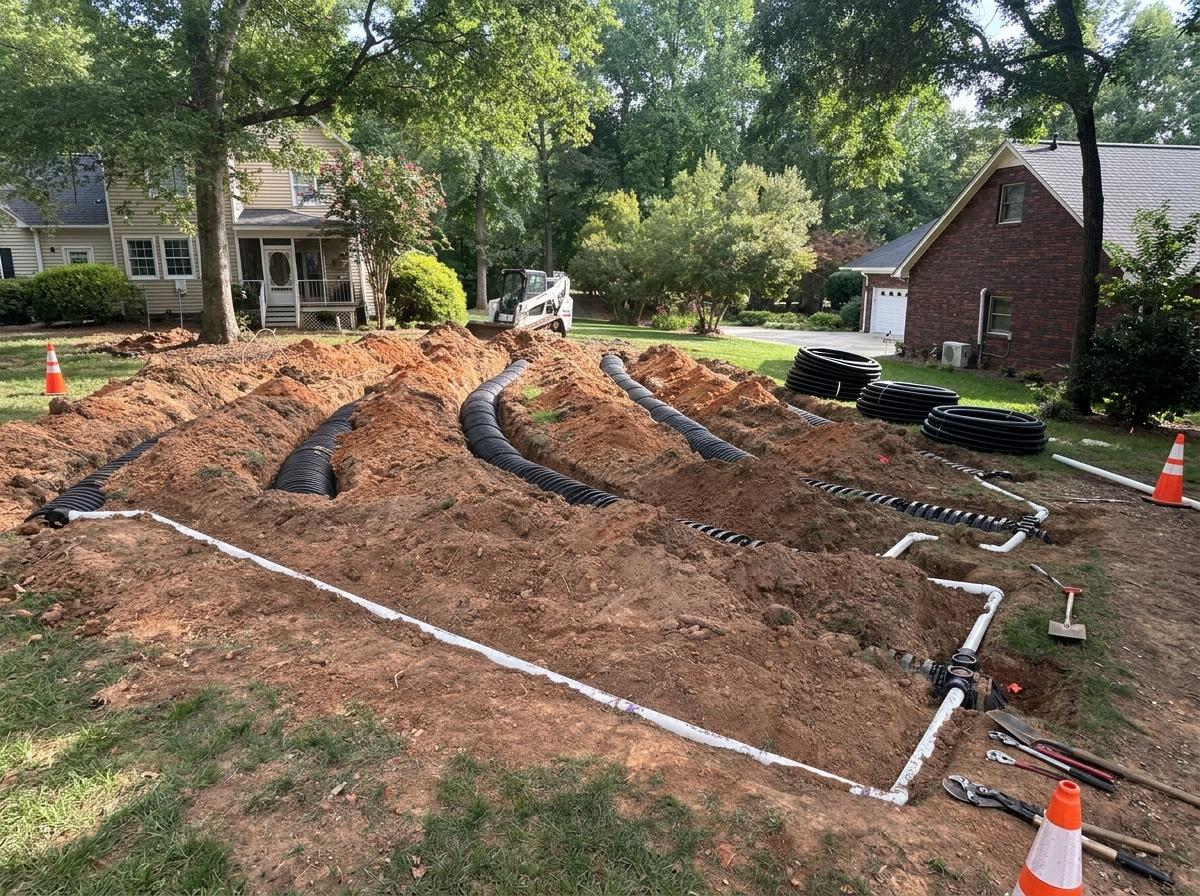
Understanding the replacement process ensures you’re not caught off guard. Each step is crucial for a successful installation.
Importance of Permits and Testing
Permits are not just formalities; they’re essential to ensure your system complies with local regulations. Failing to secure the necessary permits can lead to fines and delays. Soil testing is another critical step, as it informs the type of system that will best suit your property.
A perc test evaluates how well your soil absorbs water, helping to determine the best type of drainfield. This test is vital for a system that operates efficiently and meets health standards.
Choosing the Right Tank and Drainfield
Selecting the right tank and drainfield affects both upfront costs and long-term performance. Tanks come in different materials, such as concrete or plastic. Each has its pros and cons in terms of durability and cost.
The drainfield is equally important, as it disperses the treated waste into the soil. Choosing the wrong type can lead to failures and costly repairs. Consulting with a professional helps you make the best choice for your property’s needs.
Site Work and Timelines Explained
Site work prepares your property for installation. This includes clearing land, excavating for the tank and drainfield, and ensuring proper grading for drainage. The complexity of this work impacts the timeline and cost.
A typical septic tank installation can take anywhere from a few days to a week, depending on site conditions and weather. Planning ahead and understanding these timelines helps manage expectations and avoid unnecessary delays.
Partnering with a Trusted Installer
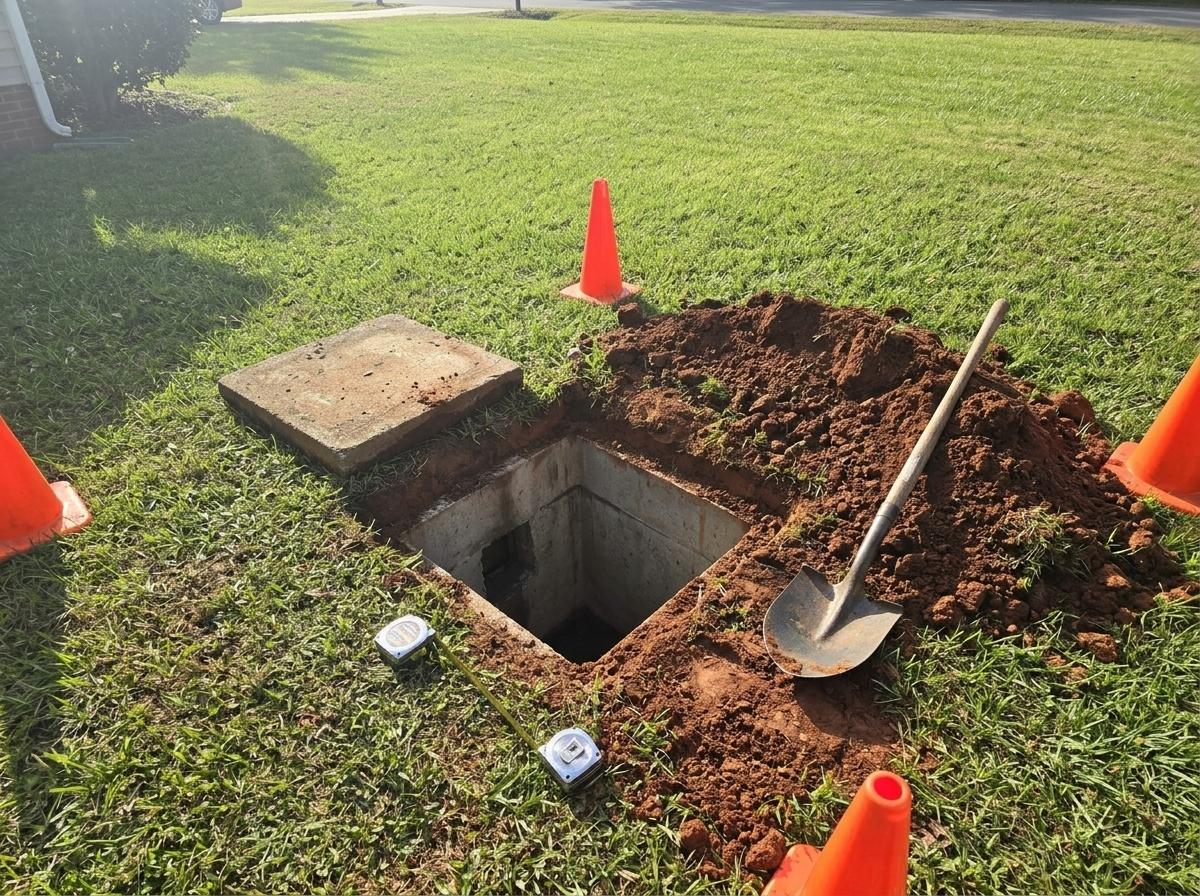
Choosing the right installer ensures your system is set up for success. A professional brings expertise and peace of mind.
Benefits of Professional Septic Services
Working with a professional installer offers numerous advantages. They bring extensive knowledge of local regulations and can navigate the permitting process smoothly. Their experience ensures that the installation is completed correctly, reducing the risk of future issues.
Professionals also offer warranties and maintenance plans, providing ongoing support and peace of mind. This can save you money in the long run by catching potential problems early.
Why Choose Dahl Septic Services
Dahl Septic Services stands out as a trusted partner in North Carolina. With a reputation for reliability and eco-friendly practices, they offer comprehensive solutions for all your septic needs. Their team uses advanced technology for accurate assessments and ensures your system operates efficiently.
Choosing Dahl means working with a provider committed to quality and customer satisfaction. They guide you through every step, from inspection to installation, ensuring a smooth and stress-free experience.
Scheduling an Inspection and Estimate
To begin your septic replacement journey, schedule an inspection with Dahl Septic Services. Their experts will assess your current system, discuss your needs, and provide a detailed estimate. This proactive approach helps prevent surprises and ensures your system meets your requirements.
Frequently Asked Questions
What factors influence septic tank replacement costs in NC?
Size, permits, soil tests, and labor impact costs. Larger tanks and complex installations generally cost more.
How long does a typical septic installation take?
Installations usually take a few days to a week, depending on site conditions and weather.
Are eco-friendly septic systems more expensive?
Initially, yes, but they can lead to savings in maintenance and increased property value over time.
Why are permits and soil tests important for septic systems?
They ensure compliance with local regulations and inform the system design for efficient operation.
How can I choose the right septic installer?
Look for experience, knowledge of local regulations, and a reputation for reliability, like Dahl Septic Services.