Septic problems don’t wait for a convenient time—and ignoring warning signs can turn minor issues into costly repairs. If you’ve noticed slow drains, strange odors, or soggy spots near your drainfield, your septic system might be calling for help. This guide breaks down key septic tank warning signs, maintenance schedules, and when to book a septic inspection North Carolina homeowners trust. Staying ahead protects your home and wallet before small problems become emergencies.
Recognizing Septic Warning Signs
Understanding the early signs of septic issues can save you from costly repairs. Let’s dive into three common warning signs that your septic system might be in trouble.
Common Septic System Odors
Have you ever noticed a foul smell in your yard? That could be a sign of septic trouble. A rotten-egg odor often indicates a gas leak or sewage backup.
Odors can also come from vents or drains inside your home. If you smell something off, check your system. Catching these issues early can prevent bigger problems later. Learn more about maintaining your septic system.
Slow Drains and Their Causes
Is your sink or shower draining slowly? This might not just be a clog. Slow drains can signal a full septic tank or a blocked pipe.
When water drains slowly, it often means wastewater is struggling to find its way out. This can lead to backups, which are both messy and expensive to fix.
Signs of Drainfield Failure
A healthy drainfield efficiently absorbs wastewater. However, if you notice wet, soggy patches or unusually green grass, it could mean your drainfield is failing.
When the drainfield can’t handle wastewater, it can lead to backups. This is a clear sign that you’ll need professional help to assess and fix the issue.
Regular Septic Maintenance Tips
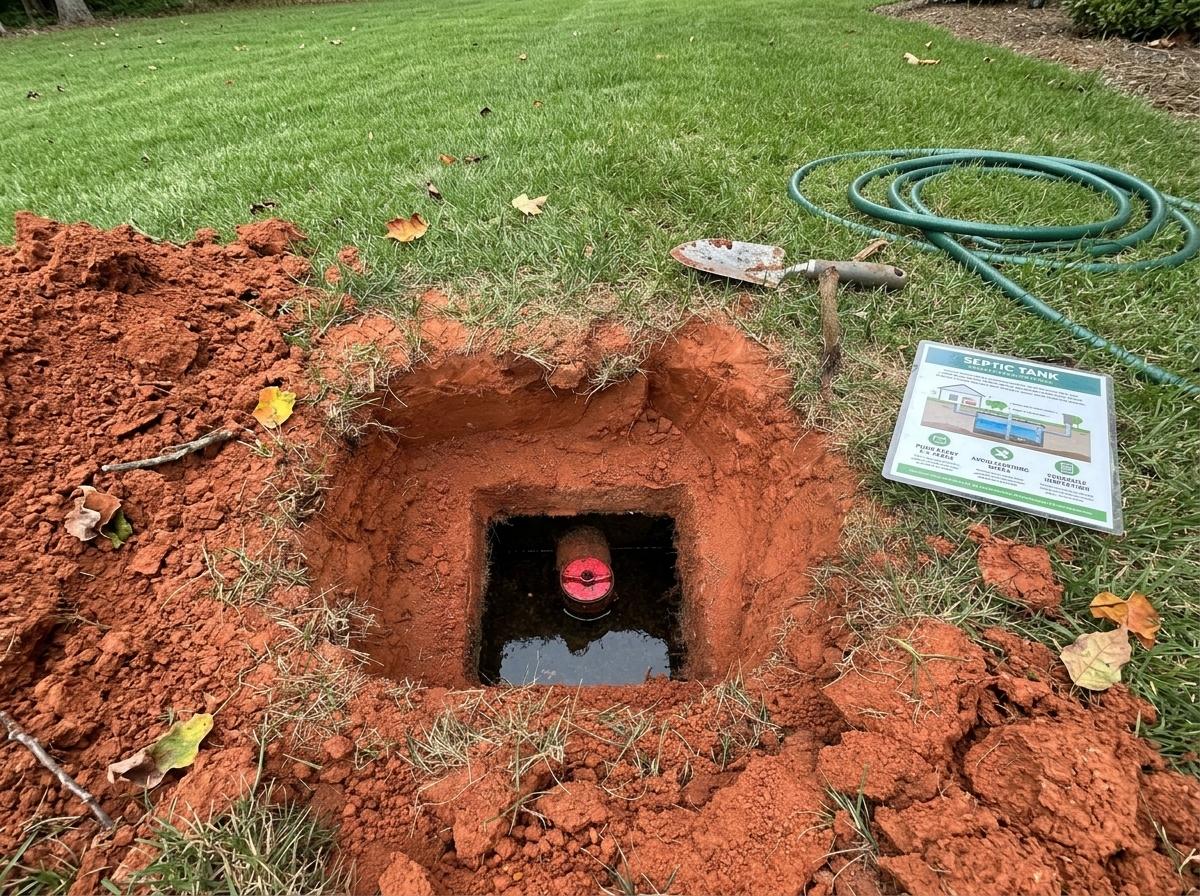
Regular maintenance keeps your septic system running smoothly and helps avoid unexpected costs. Let’s explore how to establish a maintenance routine.
Establishing a Maintenance Schedule
Setting up a maintenance schedule is key to a healthy septic system. Regular checks ensure everything works as it should.
Start by noting the last time your system was serviced. Schedule routine inspections to catch potential issues before they become major problems. Here’s a helpful checklist to guide you.
How Often to Pump Your Septic Tank
How often should you pump your septic tank? Experts recommend every 3 to 5 years, depending on usage. Regular pumping prevents overflow and keeps your system operating efficiently.
By maintaining a pumping schedule, you can avoid the unpleasant surprise of a full tank causing backups into your home. Stay informed with this guide.
Seasonal Maintenance Checklist
Each season brings different challenges for septic systems. Here’s a simple checklist to keep your system healthy year-round.
Spring: Check for signs of thaw and excess water.
Summer: Ensure the lawn is mowed to prevent soil compaction.
Fall: Inspect for fallen debris and clear out gutters.
Winter: Insulate pipes to prevent freezing.
Using seasonal tips ensures your system is ready for any weather conditions. See the full summer care guide.
Importance of Professional Inspections
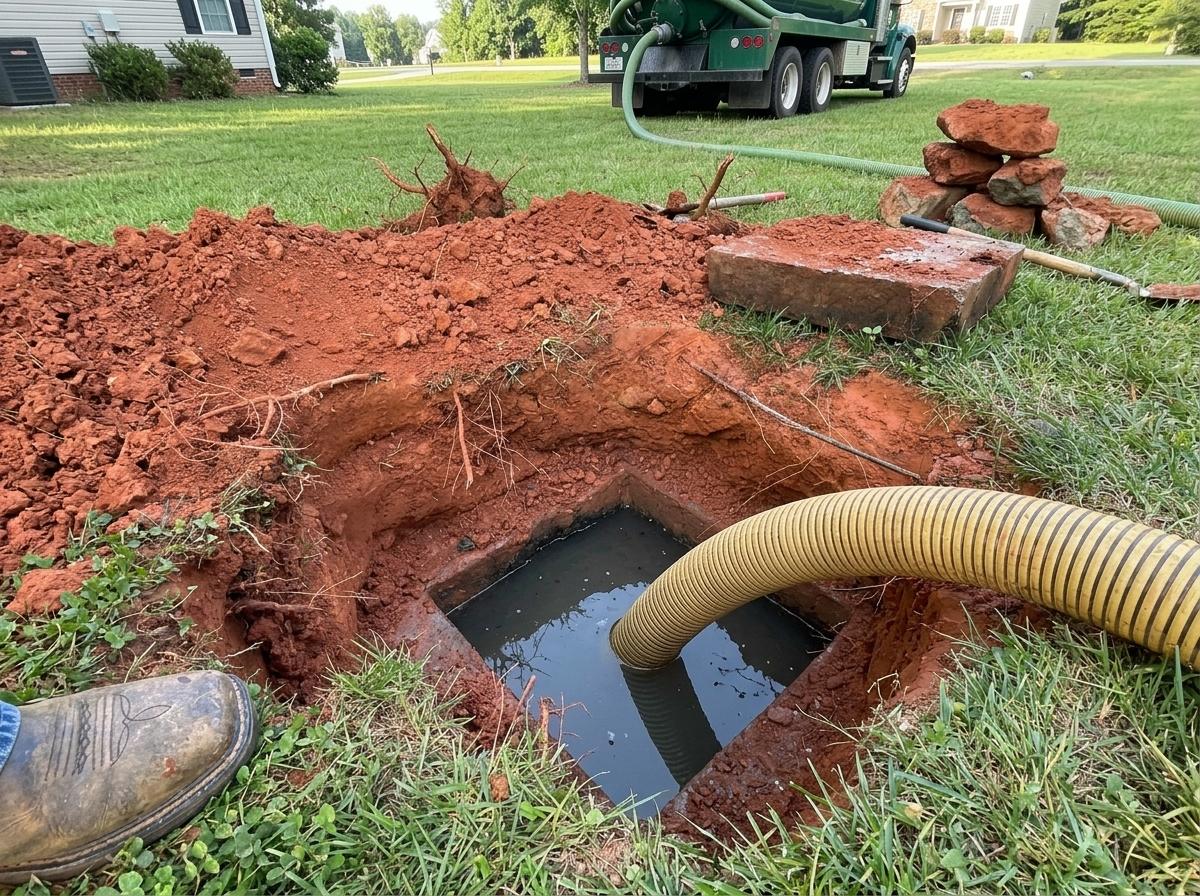
Professional inspections are crucial for septic system health. They identify problems early, preventing costly repairs down the road.
When to Schedule a Septic Inspection
Wondering when to book an inspection? Ideally, you should schedule one annually or if you notice any warning signs. Regular inspections keep your system in top shape and ensure compliance with NC septic regulations.
Benefits of Advanced Inspection Technology
Using advanced technology, inspectors can detect issues invisible to the naked eye. Cameras and sensors provide a detailed view of your system’s condition.
This approach ensures accurate assessments, helping you make informed decisions about repairs or replacements. Advanced tools lead to better outcomes, saving you time and money.
Choosing Eco-Friendly Septic Solutions
Choosing eco-friendly options not only benefits the environment but also your wallet. Modern systems use less water and provide efficient waste breakdown.
Opting for green solutions supports sustainability and reduces the long-term impact on your property. It’s a smart choice for both homeowners and the planet.
Frequently Asked Questions
What are the signs of septic system failure?
Common signs include slow drains, foul odors, and wet spots in the yard. If you notice any of these, it’s time to check your system.
How often should I pump my septic tank?
Pumping should occur every 3 to 5 years, depending on household size and usage. Regular pumping prevents overflows and system failure.
Why are professional inspections important?
Inspections catch problems early, saving you from expensive repairs. They ensure compliance with regulations and maintain system health.
What are eco-friendly septic solutions?
These solutions use less water and energy while improving waste breakdown. They offer a sustainable option for managing household waste.
When should I schedule a septic inspection?
Book an inspection annually or if you notice any warning signs. Regular checks keep your system working efficiently and help avoid larger issues.