Many North Carolina homeowners overlook septic inspections until problems arise. Ignoring your system can lead to costly repairs and headaches down the road. This septic inspection checklist breaks down what a thorough septic tank inspection NC includes, so you know exactly what to expect. Keep reading to learn how Dahl Septic Services uses camera inspections and local experience to protect your property and peace of mind.
Understanding Septic Inspections
A septic inspection is an essential step for homeowners and buyers alike. It’s not just about identifying issues, but ensuring the system operates smoothly.
Why Septic Inspections Matter
Septic inspections are crucial in preventing unexpected failures. When you regularly inspect your septic system, you catch potential problems early. This proactive approach saves money and stress in the long run. For home buyers, a thorough pre-purchase septic inspection offers peace of mind, ensuring the system is sound before making a big investment.
Key Components of an Inspection
A comprehensive septic inspection involves several key components. The inspection checks the tank, drainfield, and connecting pipes. Each part is crucial for system health. Inspectors use tools like cameras to examine unseen areas, ensuring every component works properly. This detailed examination identifies issues such as leaks or blockages that could lead to major problems.
Common Issues Found
During inspections, some common issues may be uncovered. These include leaks in the tank, roots invading pipes, or improper installation. If left unchecked, these problems could lead to system failure. Recognizing these signs early can prevent costly repairs and maintain system efficiency. Regular inspections ensure your system remains in good working order.
Professional Septic Inspection Services
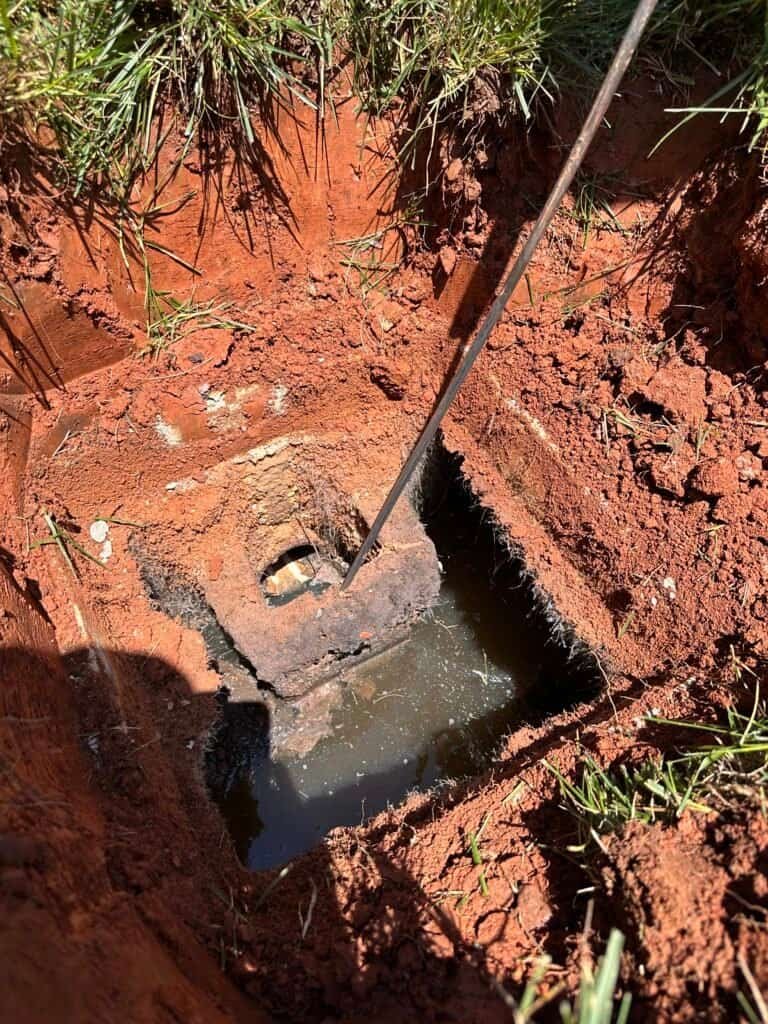
Choosing a professional septic inspection gives you a thorough assessment of your system. Experts bring experience and the right equipment, including inspection cameras.
Comprehensive Inspection Process
When you hire a professional, the inspection process is thorough and detailed. Inspectors will assess the tank’s condition, check for leaks, and ensure the drainfield functions correctly. They also inspect all connections, looking for any signs of wear or damage. This detailed approach means you can feel confident in your system’s health.
Camera Inspections
Professional inspections can include a camera inspection. Tools like septic camera inspections allow for a detailed view of hard-to-reach areas. This technology helps in identifying problems that are not visible to the naked eye. It ensures a complete assessment of your system, highlighting issues that need attention.
Benefits of Hiring Experts
Hiring experts for your septic inspection offers numerous benefits. They have the experience and tools needed to do the job right. With their help, you can avoid costly repairs and extend the life of your system. Experts also ensure compliance with local regulations, providing peace of mind that your system is up to standard.
Maintenance and Compliance
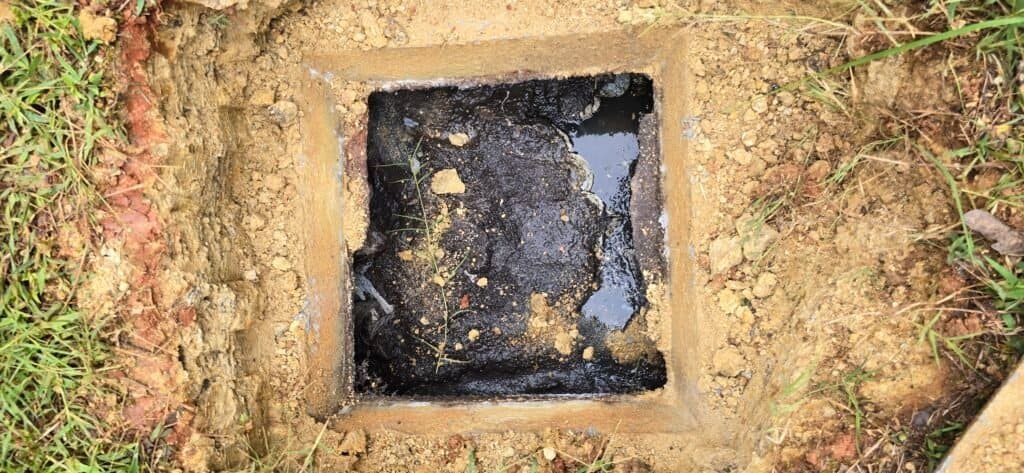
Regular maintenance and understanding regulations are key to a well-functioning septic system. These practices help avoid problems and ensure compliance.
Tips for Regular Maintenance
Maintaining your septic system is crucial for its longevity. Regular pumping every 3-5 years is recommended. This prevents buildup and keeps the system running smoothly. Simple practices like avoiding flushing non-biodegradable items can prevent clogs. Regular checks and timely repairs keep your system in top shape.
Understanding North Carolina Regulations
In North Carolina, septic regulations help ensure systems are safe and effective. Understanding these regulations is key for compliance. Regular inspections and maintenance are often required. Hiring a professional ensures your system meets all local standards, reducing the risk of fines or issues.
Septic-Safe Habits
Septic-safe habits help between inspections. These solutions reduce environmental impact while maintaining system efficiency. Using natural treatments and reducing chemical use benefits both the environment and your system. They are a simple part of septic maintenance.
Frequently Asked Questions
What should I expect during a septic inspection?
During a septic inspection, expect a thorough check of your tank and drainfield. Inspectors will look for leaks, blockages, and assess the condition of all components. They may use a camera to check lines and tanks.
How often should I have my septic system inspected?
It’s recommended to have your septic system inspected every 3-5 years. Regular inspections help catch problems early and ensure the system operates efficiently.
What septic-safe habits help?
Spreading out water use and keeping grease, wipes and harsh chemicals out of drains. Cutting back on harsh chemicals also helps. These habits help keep your system running smoothly.
What are the signs my septic system needs attention?
Signs that your septic system needs attention include slow drains, unpleasant odors, or sewage backups. If you notice any of these, it’s important to schedule an inspection promptly.
Why hire a professional for septic inspections?
Hiring a professional ensures a thorough and accurate inspection. Experts have the tools and experience needed to identify issues and maintain compliance with local regulations.
Want a professional look at your system? Dahl Septic Services offers home-sale septic inspections across Union, Stanly, Mecklenburg and Cabarrus counties, including homes in Indian Trail. For more on this topic, read North Carolina Homeowner’s Guide: Septic Warning Signs, Maintenance, and When to Schedule Inspections and August Septic Maintenance Checklist for North Carolina: What to Check Before Late‑Summer Problems Start.