You’re under contract on a house in Union, Stanly or Mecklenburg County, the septic inspection report just landed, and it isn’t good news. Maybe the tank has a cracked baffle, roots are growing into the lid, or the drain field shows signs of trouble. Whether you’re the buyer, the seller or the agent, a failed septic inspection feels like a deal-breaker. Most of the time it isn’t. It’s a list of problems with a path to fix them.
Here’s what a “failed” report usually means, when the county health department gets involved, and how to keep the sale moving.
What “failed” actually means
North Carolina doesn’t hand out a pass or fail grade on a private septic inspection. The inspector writes up what they found, and people call the report “failed” when it lists problems serious enough to affect the sale.
Findings tend to fall into three groups:
- Maintenance items. The tank is overdue for pumping, the effluent filter is clogged, or a lid or riser needs attention. These are usually handled quickly.
- Component repairs. A broken baffle, a cracked or shifted distribution box, a damaged pipe between the house and the tank, or roots in the line. These are real repairs, but they’re targeted.
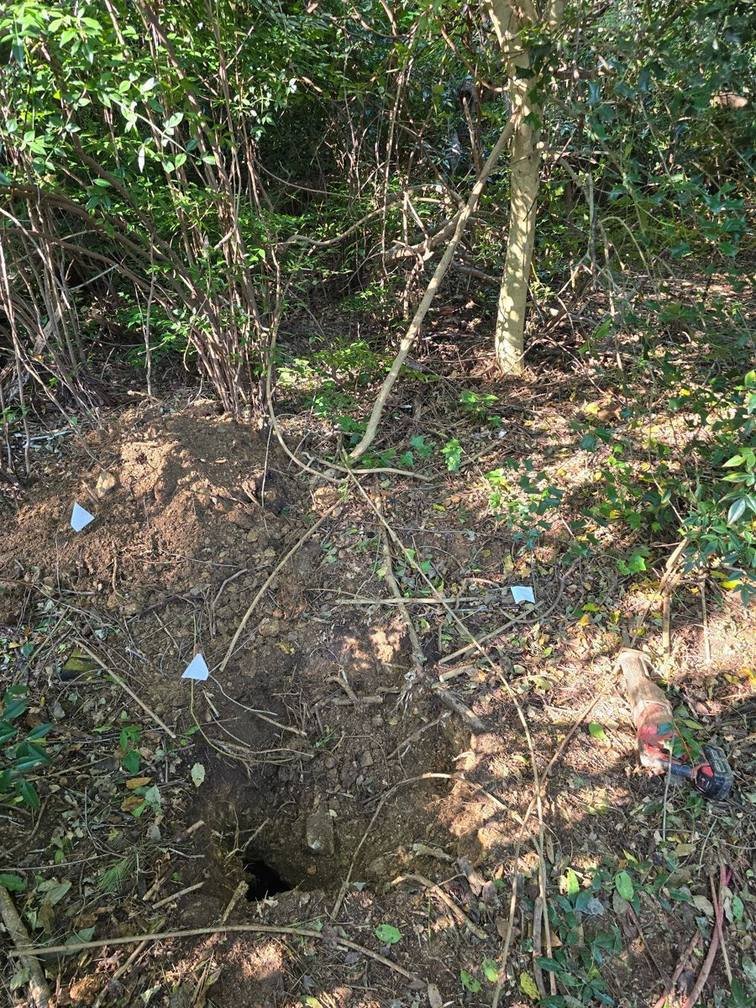
- Drain field problems. Wet or soggy ground over the lines, sewage surfacing in the yard, or the system backing up into the house. These are the findings that carry the most weight, because the drain field is the most involved part of the system to repair.
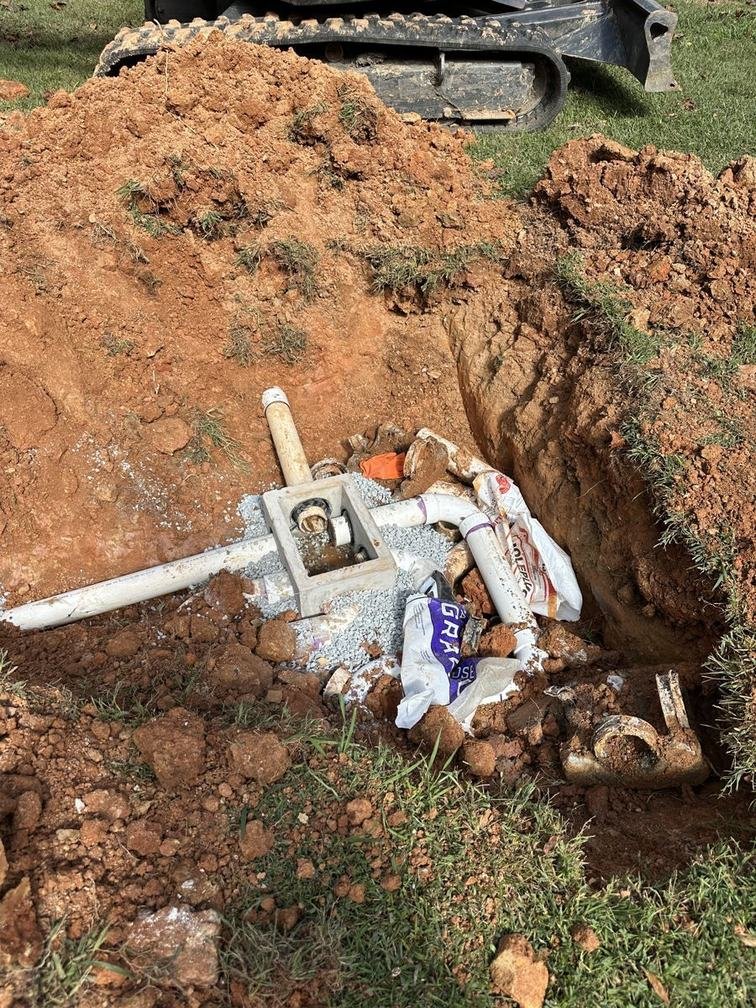
A good report should tell you which group each finding falls into, show photos, and say what the inspector recommends next. If yours doesn’t, ask.
When it becomes a county matter
North Carolina’s septic rules (15A NCAC 18E, administered by the NC Department of Health and Human Services and enforced by each county’s environmental health office) define what counts as a malfunctioning system. Under Rule .1303, a system is malfunctioning when sewage or effluent discharges to the ground surface or into surface water or groundwater, when it backs up into the house or plumbing, or when the tank has to be pumped more often than once a month to keep those things from happening.
If a system meets that definition, the rule says the owner must contact the local health department. Rule .1306 then lays out the repair process: the owner applies for a repair, and the health department can issue a written notice that sets a deadline for the repair, generally 30 days unless the notice gives a different time frame for site-specific reasons such as weather.
The same rule also notes that no repair application is needed when only maintenance is required to bring the system back into compliance. That’s why the type of problem matters so much. A tank that just needs pumping and a cleaned filter is a very different situation from a drain field with effluent on the surface.
For a home in Union County, that’s the Union County environmental health office; in Stanly County, the Stanly County environmental health office; and so on for Mecklenburg, Cabarrus, Anson and Montgomery counties. If you’re not sure whether your findings rise to that level, ask your inspector or call the county before you start negotiating.
Why local lots make a difference
Much of our area sits on heavy clay soils, and a lot of lots, especially older ones, were permitted decades ago with less room to spare. That affects two things after a bad report:
- What the repair looks like. When a drain field needs work, the fix depends on the soil and the space available. Some repairs stay conventional; others call for a different system type, such as a low-pressure pipe (LPP) or drip system, when the soil or space calls for it. The county decides what’s allowed on the site.
- How long it takes. If the county needs to evaluate the site before issuing a repair permit, that adds time. Wet weather can also slow both the evaluation and the work.
This is why it pays to find out early whether your findings are maintenance, component repairs or drain field work.
How buyers and sellers usually handle it
The septic report usually comes in during the due diligence period in your purchase contract, so time matters. Common next steps:
- Get a clear repair scope. Ask a licensed septic contractor to look at the findings and write up what the fix involves. Get it in writing so both sides are working from the same document.
- Decide who handles the repair. Sellers often make the repair before closing so the buyer gets a working system. Other times the parties agree on a credit or a change in price instead. That’s a negotiation between the buyer, the seller and their agents, and a real estate attorney can advise on contract terms.
- Watch the calendar. If a county repair permit is needed, work generally can’t start until it’s issued. Build that into the closing timeline, and ask your agent whether the due diligence or closing date needs to move.
- Keep the paperwork. Save the inspection report, the repair permit, invoices and any county sign-off. The next buyer will want to see them, and so will you if questions come up later.
Sellers who’d rather avoid surprises can have the system looked at before listing. Buyers should still order their own inspection either way.
How Dahl Septic Services can help
We do both sides of this: septic system inspections for home sales, and the septic repairs that come out of them, from baffles and distribution boxes to drain field work. That means we can explain the findings in plain language, give you a written repair scope, and help communicate with the county when a repair permit is needed.
Dahl Septic Services is licensed in North Carolina (license #9407I) and insured. Founded in 2023, backed by over a decade of hands-on septic experience, we work across Union County, Stanly County and the surrounding area.
FAQ
Does a failed septic inspection mean the deal is off?
Not usually. Many findings are maintenance items or targeted repairs. Even drain field problems can often be repaired before closing or handled through a credit. Whether the deal goes ahead is up to the buyer and seller and the terms of their contract.
Do I have to report a failed inspection to the county?
North Carolina’s rules require the owner to contact the local health department when a system is malfunctioning as defined in 15A NCAC 18E .1303, for example sewage on the ground surface or backing up into the house. A report that only lists maintenance items, like an overdue pumping or a dirty filter, is a different situation. If you’re unsure, ask your inspector or the county environmental health office.
Who pays to fix it, the buyer or the seller?
There’s no single answer. It’s negotiated between the parties and their agents during due diligence. Sellers often handle the repair so the system works at closing, but credits and price changes are common too.
Next step
Got a septic inspection report with problems on it, or need an inspection for a home sale? Call or text (704) 218-9070, book online, or request a quote. Our office hours are Monday through Friday, 8 a.m. to 5 p.m. After-hours calls, texts and emails are handled by urgency.
Dahl Septic Services, 214-B E North St, Albemarle, NC 28001