Installing a septic system in North Carolina can feel overwhelming if you don’t know the steps involved. From securing septic permits NC to passing a percolation test in Albemarle, each part has its own rules and timing. This guide breaks down what you need to do, so you can plan with confidence and avoid costly mistakes. Ready to learn how to handle septic system installation North Carolina style? Let’s get started. For a detailed overview of the process, check out this step-by-step guide.
Understanding Septic System Installation
Starting with a strong foundation in understanding is key. Knowing the regulations, permits, and tests required will set you on the right path.
Navigating North Carolina Septic Regulations
Understanding septic system installation in North Carolina begins with knowing the local regulations. These rules ensure that the system is safe and environmentally friendly. In North Carolina, every county may have slightly different requirements, so it’s important to check with local authorities. This ensures compliance and helps avoid fines or delays. For more details on state regulations, visit Next Modular’s guide.
Importance of Septic Permits NC
Before you begin installation, securing septic permits in NC is crucial. This permit is your official approval to proceed with the installation. It guarantees that your system meets health and safety standards. Without it, you could face legal issues or be forced to remove an improperly installed system. The permit process requires detailed plans and sometimes a site visit, so it’s best to apply early.
Conducting a Percolation Test in Albemarle
A percolation test in Albemarle is essential for determining if your soil can absorb water efficiently. This test helps decide the type and size of the septic system you need. Conducting this test early in the process can prevent costly adjustments later. It involves digging holes in the proposed drain field area and measuring how quickly the soil absorbs water. This step is key to designing an effective system.
Steps to Install Your Septic System
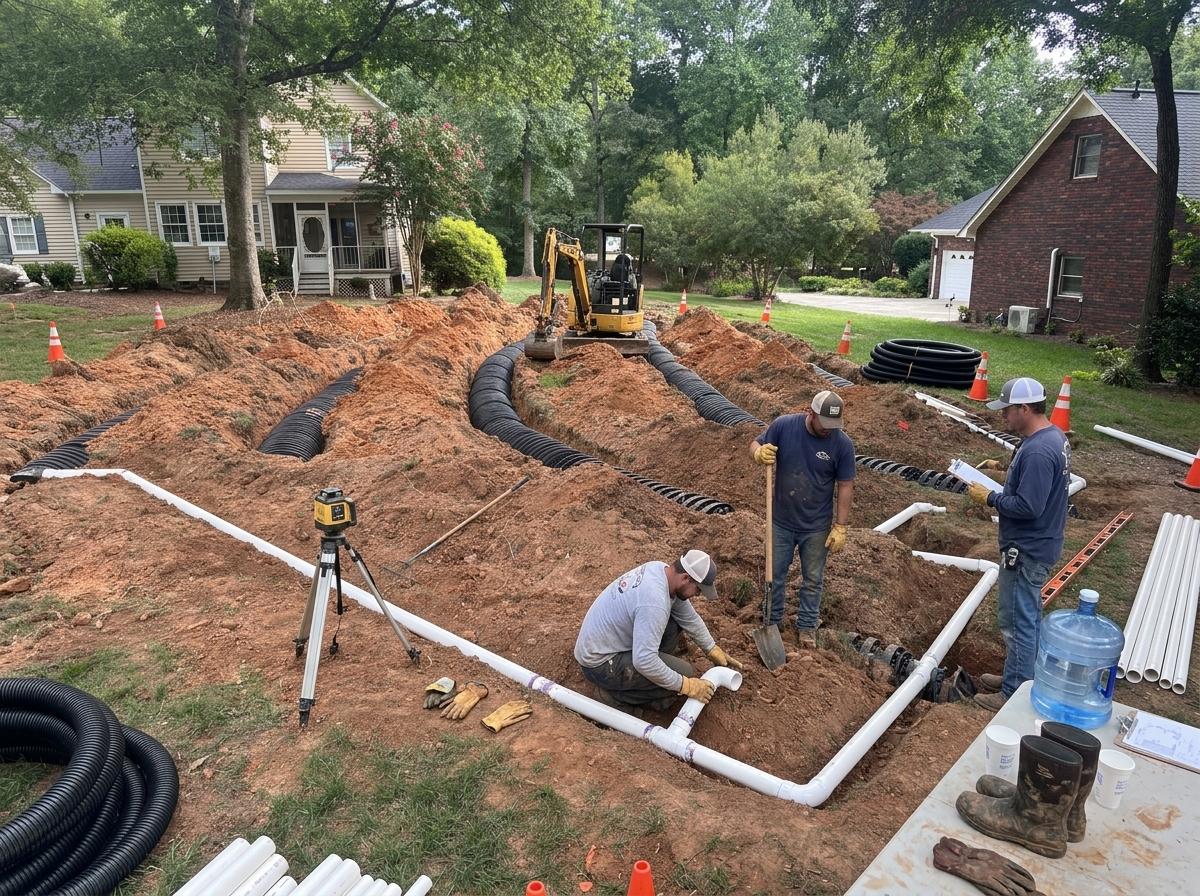
Next, let’s break down the steps to installation. This will give you a clear roadmap from start to finish.
Site Evaluation and Soil Testing Process
The first step in installing your septic system is a thorough site evaluation and soil testing. This process helps determine the best location for your system. It involves checking the soil type, slope, and depth to the groundwater. A professional will conduct the soil test to ensure the site is suitable. This step ensures your system will function properly and last for years.
Designing and Permitting the System
Once your site has been evaluated, the next phase is designing the system. This involves creating a plan that suits your specific needs and site conditions. The design must comply with local regulations and be approved to receive the necessary permits. It’s crucial to work with a licensed professional who understands the complexities of the process. Proper design and permitting help prevent future issues and ensure smooth installation.
Professional Installation and Inspection
Professional installation and inspection are non-negotiable for a successful septic system. During installation, experts ensure each component is correctly placed and connected. Once installed, the system must be inspected to confirm it meets all regulatory requirements. This inspection acts as a final check and provides peace of mind that everything is working as it should.
Choosing the Right Septic Services
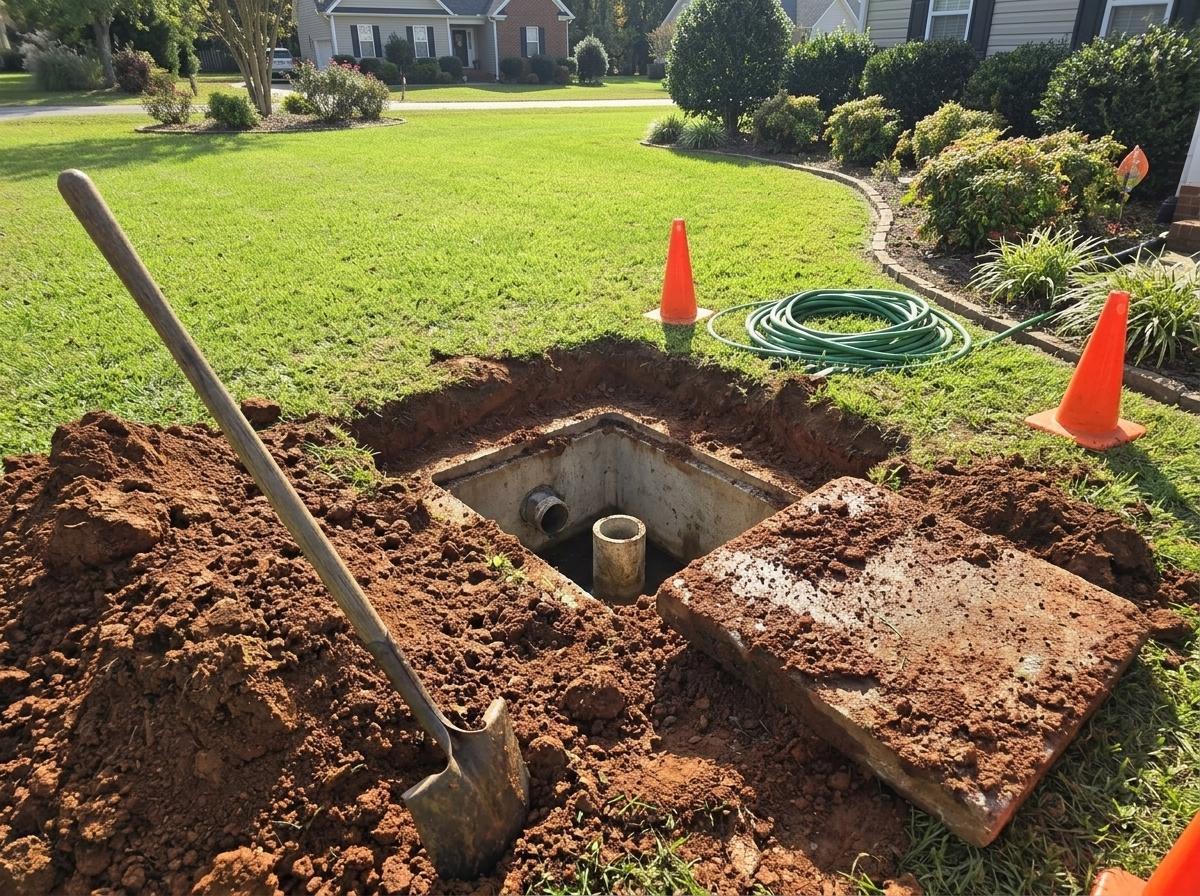
Selecting the right services can make a significant difference in system performance and longevity.
Eco-friendly and Advanced Treatment Options
Eco-friendly septic systems are becoming increasingly popular due to their sustainable benefits. These systems use advanced treatment units that are more efficient and environmentally conscious. They help reduce the impact on local ecosystems and often have a longer lifespan. Choosing an eco-friendly option aligns with modern environmental standards and can even save money in the long run.
Drainfield Design and Installation Best Practices
The drainfield is a crucial component of your septic system. Proper design and installation ensure it operates effectively. Key practices include selecting the right materials, ensuring adequate drainage, and preventing root intrusion. A well-designed drainfield minimizes the risk of backups and extends the life of your system. It’s wise to consult professionals who can tailor the design to your specific site conditions.
Benefits of Professional Septic Maintenance NC
Regular septic maintenance in NC is vital for keeping your system running smoothly. Professional maintenance includes routine inspections and pumping, which help prevent costly repairs. By scheduling regular check-ups, you can catch potential issues early and ensure your system continues to operate efficiently. This proactive approach saves money and protects your investment.
Frequently Asked Questions
What are septic permits NC, and why do I need them?
Septic permits in NC are official approvals required for installing a septic system. They ensure your system meets health and safety standards, preventing legal issues and potential fines.
How often should I conduct a percolation test in Albemarle?
A percolation test should be conducted before installing a new septic system or when making significant changes to the existing system. This test determines soil absorption rates for proper system design.
Why is professional septic maintenance important?
Professional septic maintenance is crucial for preventing costly repairs and extending the life of your system. Regular inspections and pumping help catch potential issues early, ensuring efficient operation.
What makes eco-friendly septic systems better?
Eco-friendly septic systems use advanced treatment units that are more efficient and have a lower environmental impact. They often have a longer lifespan and align with modern sustainability goals.
How do I choose the right septic services?
Choose septic services by looking for experienced professionals who offer comprehensive solutions, including design, installation, and maintenance. Look for companies with a strong reputation and eco-friendly options.