Many homeowners overlook septic tank inspections until a problem forces their hand. Waiting too long can lead to costly repairs and health risks that nobody wants. This guide explains why a septic tank inspection in North Carolina is essential, what to expect during the process, and how Dahl Septic Services uses advanced tools to protect your property and investment. Learn more about what to expect during a septic inspection here.
Importance of Septic Tank Inspections
Septic tank inspections are crucial to maintaining your home’s value and functionality. Ignoring this essential maintenance can lead to unexpected problems.
Protecting Your Investment
Regular inspections are vital to safeguard your property. Septic issues can be costly if left unchecked. With a professional inspection, you can catch potential problems early, saving money in the long run. For homeowners, this means peace of mind. You’re less likely to face unexpected, expensive repairs. Check out this septic inspection checklist to understand what professionals look for.
Ensuring System Longevity
How long your septic system lasts depends significantly on regular maintenance. Inspections help in identifying wear and tear early. This proactive approach can extend the life of your system. By keeping all components in check, you prevent premature breakdowns. Regular checks mean your system can serve you without interruption for years.
Compliance with Local Regulations
Septic inspections aren’t just about maintenance; they’re also about compliance. Local regulations may require regular checks to ensure your system is environmentally safe. Inspections help ensure you meet these requirements. This is crucial, especially if you plan to sell your home. A compliant system can be a strong selling point.
The Septic Inspection Process
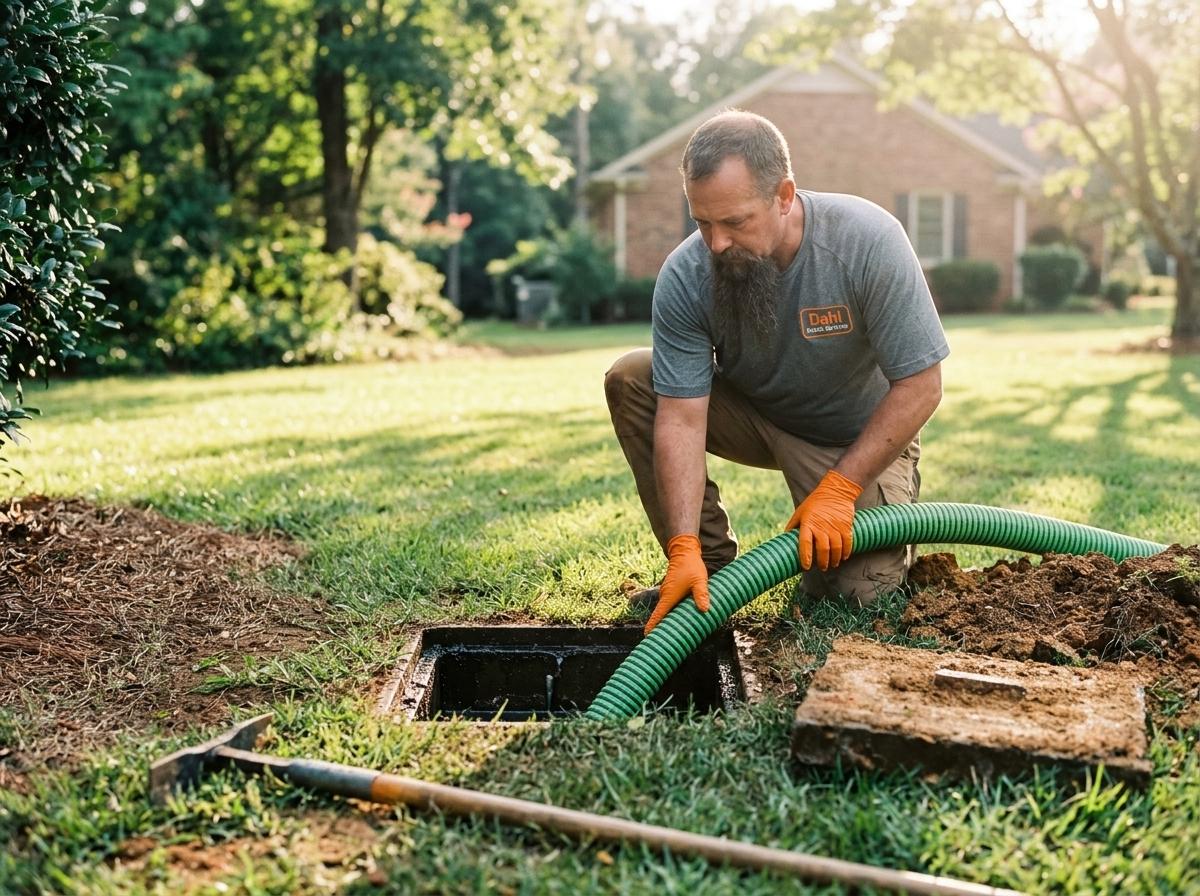
Understanding the inspection process can alleviate any concerns and prepare you for what to expect. It involves several critical steps.
Key Components Inspected
An inspection covers various parts of your septic system. Key areas include the tank, drain field, and connected pipes. Inspectors check for leaks, blockages, and any signs of damage. Each component plays a role in the system’s overall health. Identifying issues early can prevent system failure.
Advanced Tools and Techniques
Modern inspections use advanced tools for accuracy. These tools include cameras and sensors that detect problems unseen to the naked eye. Explore how camera inspections work in septic systems. Such technology ensures a thorough examination, providing insights into areas that might need attention.
Understanding the Inspection Report
After the inspection, you receive a detailed report. This report outlines the findings and any necessary actions. Understanding this report is crucial. It helps you make informed decisions about repairs or maintenance. If you’re unsure, ask your inspector to clarify any technical terms or recommendations.
Scheduling and Maintenance Tips
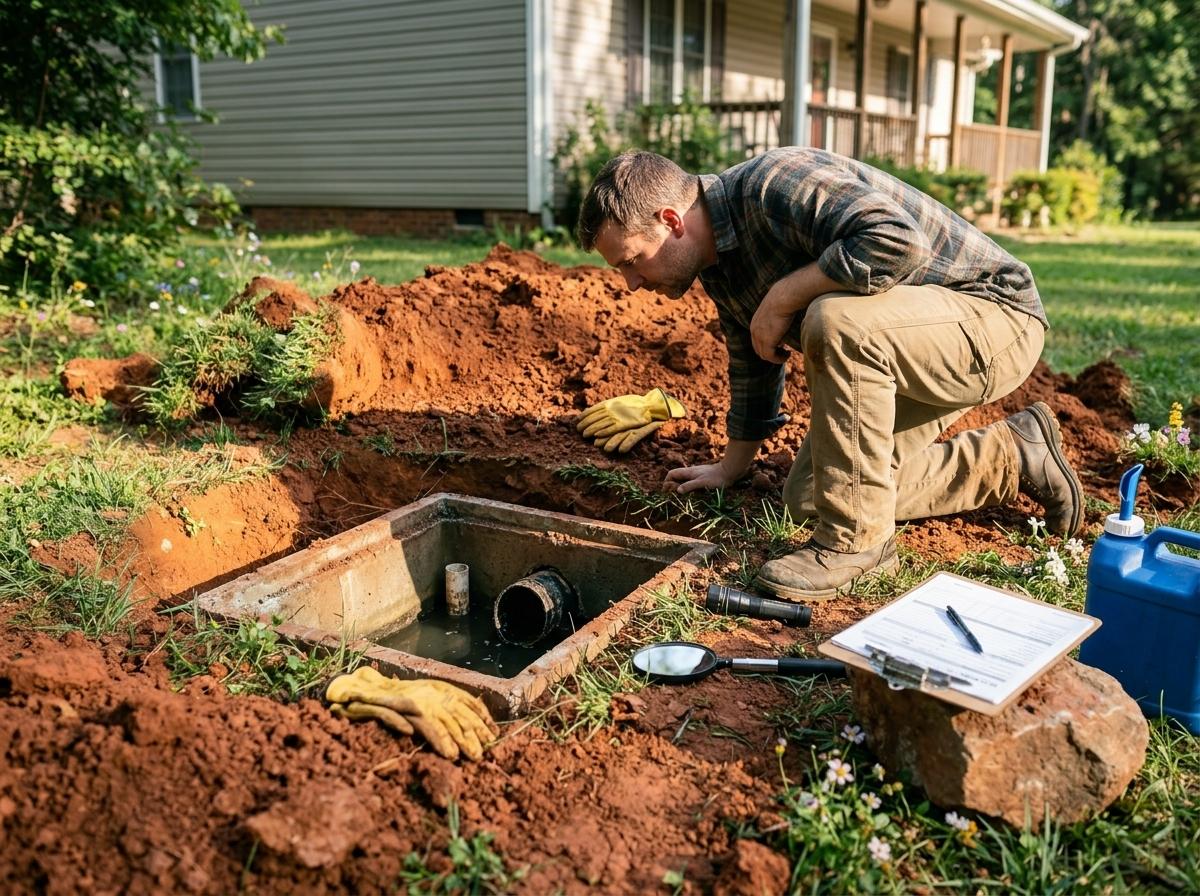
Regular maintenance prevents most septic problems. Knowing when and how to schedule inspections is key to keeping your system running smoothly.
Frequency of Inspections
How often should you inspect your septic system? Generally, every three to five years is recommended. However, if your system is older or heavily used, annual checks might be necessary. Regular inspections help catch issues early before they become costly problems.
Signs It’s Time for an Inspection
Certain signs indicate it’s time for a septic inspection. These include slow drains, unusual odors, or water pooling in your yard. If you notice any of these, schedule an inspection promptly. Ignoring these signs can lead to more severe issues.
Benefits of Regular Maintenance
Regular maintenance ensures your septic system runs efficiently. It can help prevent backups, extend the system’s life, and protect your property value. Plus, it’s often more cost-effective than emergency repairs. Keeping a routine maintenance schedule can save you time and money in the long term.
Frequently Asked Questions
What is a septic tank inspection?
A septic tank inspection involves checking the tank, drain field, and pipes for signs of damage or wear. Inspectors use tools like cameras to identify issues that aren’t visible to the naked eye.
How often should I schedule a septic inspection?
It’s generally recommended to have a septic inspection every three to five years. However, if your system is older or experiences heavy usage, annual inspections may be necessary.
What are signs my septic system needs an inspection?
Common signs include slow drains, unusual odors, or water pooling in your yard. These can indicate blockages or damage within the system.
For more comprehensive guidance, refer to our Septic Tank Inspection Checklist: A Homeowner’s Guide for North Carolina.