Getting a Tennessee septic permit is more complex than most people expect. If you’re buying property or planning a new septic system in North Carolina, knowing how Tennessee’s rules compare can save you time and money. This guide breaks down what a septic permit TN involves, which agencies handle approvals, and how you can get permit-ready fast with expert help from Dahl Septic Services.
For more details on Septic Tank Permit Requirements, be sure to explore our guide tailored for Stanly, Union, and surrounding counties. If you’re interested in a comprehensive TN Septic Permit Search, we provide a step-by-step approach to understanding what it means before you buy. Additionally, learn How to Find Septic Tank Records Online in North Carolina to streamline your permit process.
Understanding Septic Permits
Getting a septic permit can seem daunting, but understanding the steps can make it easier. Let’s break down the basics to help you navigate the process smoothly.
What is a Septic Permit?
A septic permit is essential if you’re planning to install or repair a septic system. It ensures that your system meets environmental standards and functions properly. This permit verifies that your land can support a septic system, protecting you from potential hazards and costly repairs.
Key Steps in Tennessee
In Tennessee, obtaining a septic permit involves several key steps. First, you need a percolation test (perc test) to evaluate the soil’s ability to absorb water. This is crucial for determining the appropriate system design. Next, you submit your application to the Tennessee Department of Environment and Conservation (TDEC), which reviews it for compliance. Once approved, construction can begin, following specific guidelines to ensure safe and reliable operation.
Differences in North Carolina
North Carolina’s process for septic permits varies slightly. Here, the NC Department of Environmental Quality (NCDEQ) oversees permits. Similar to Tennessee, a soil evaluation is required, but the focus is on local conditions. You also need an as-built septic record, which details your system’s layout. Understanding these differences can save time and prevent delays.
Navigating North Carolina Permits
Understanding the nuances of North Carolina permits can help you move forward with confidence. Let’s explore what you need to get started.
Getting Permit-Ready
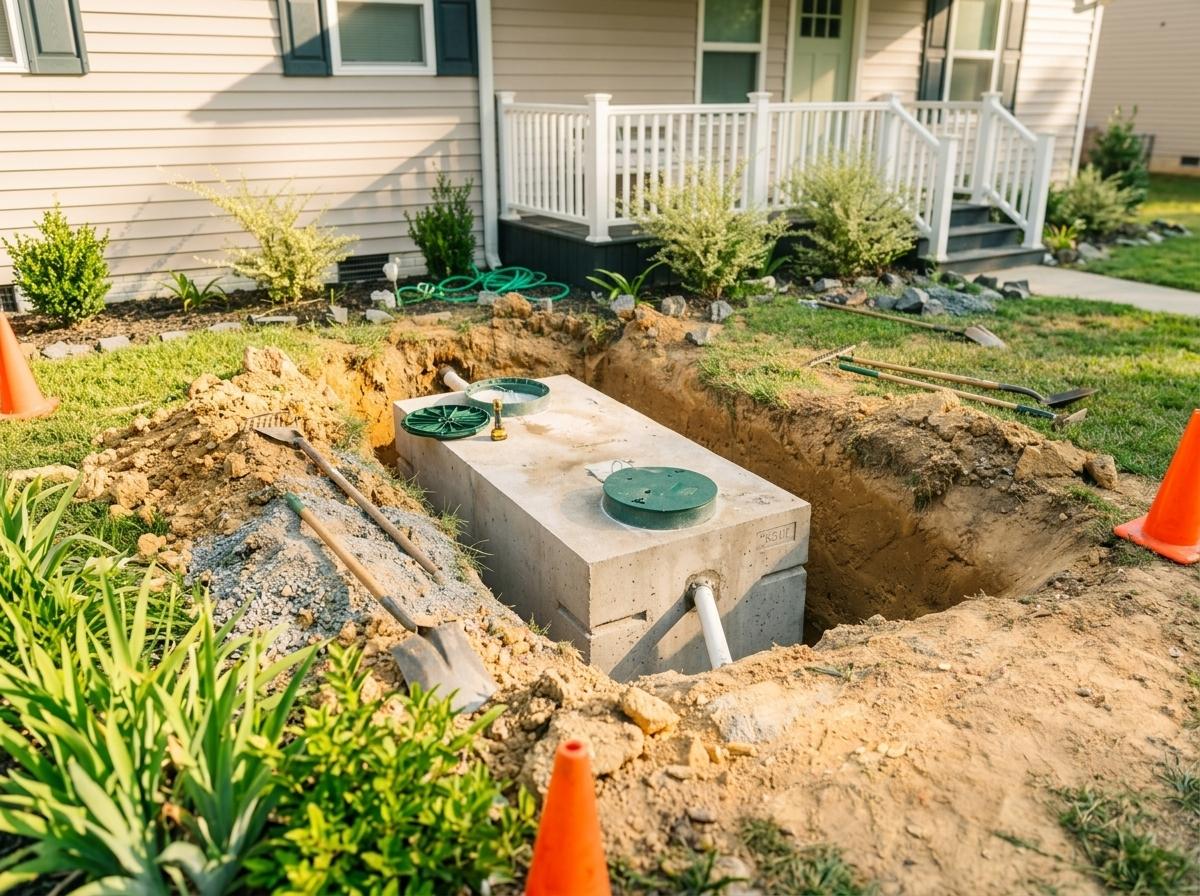
Before applying for a permit in North Carolina, several preparations are necessary. Start with a thorough inspection to ensure your property is suitable. This includes checking for proper drainfield sizing and ensuring no obstructions. Having the right documentation, such as a soil evaluation and system design, will streamline your application process.
Importance of Professional Inspections
Professional inspections are crucial to the permit process. They provide an accurate assessment of your land’s suitability and help avoid future problems. Experts use advanced methods to check for hidden issues that could impact your system’s performance. This step ensures your system is ready to handle household waste efficiently.
Working with County Health Departments
Navigating county health regulations is often the most challenging aspect of securing a permit. Each county in North Carolina has specific requirements, making it essential to work closely with health departments. They provide guidance on compliance and help manage necessary paperwork, ensuring a smooth permitting process.
Dahl Septic Services: Your Trusted Partner
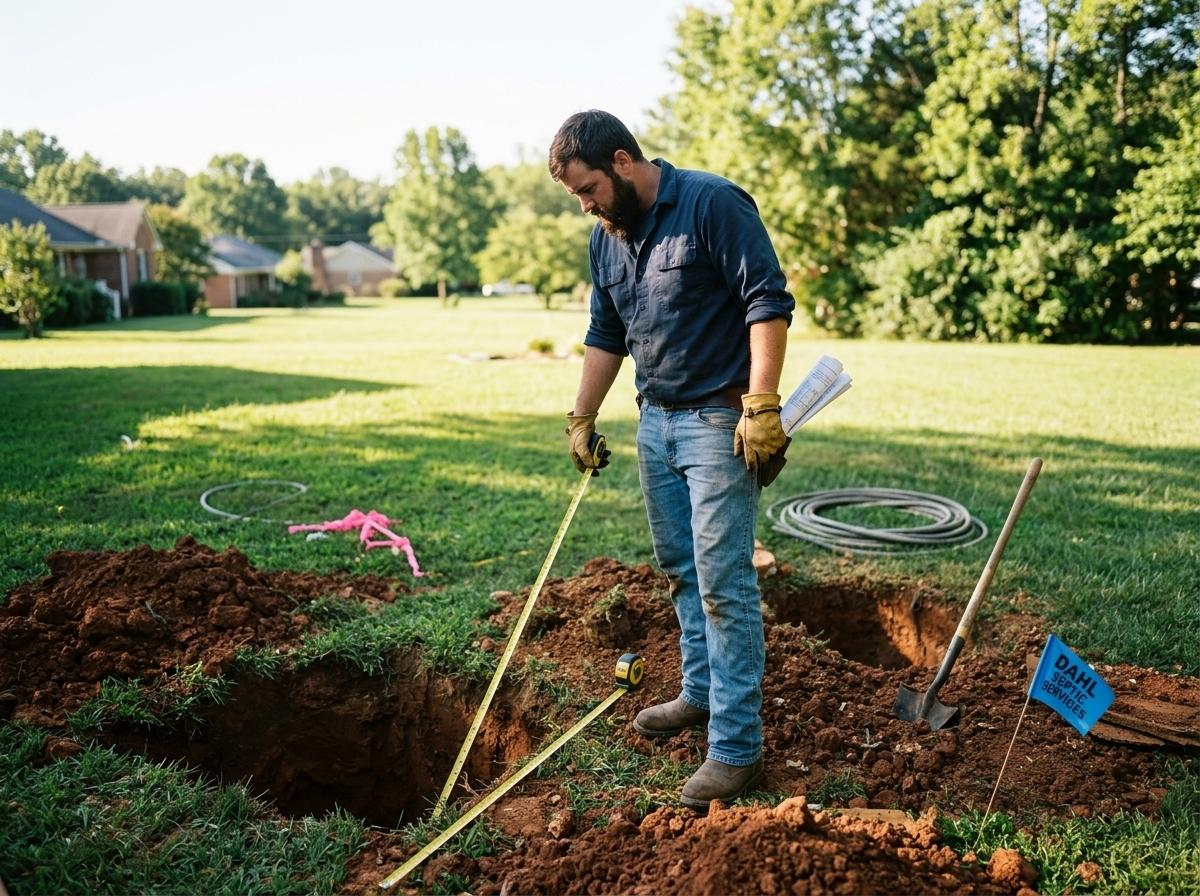
Choosing the right partner can make all the difference in your septic permit journey. Dahl Septic Services is here to offer comprehensive support every step of the way.
Comprehensive Septic Solutions
Dahl Septic Services provides a full range of septic solutions tailored to your needs. Whether it’s a new septic installation or system repairs, we cover it all. Our expert team ensures your system is installed correctly, protecting your property and the environment.
Advanced Inspection Technology
Using advanced technology, Dahl Septic Services conducts detailed inspections. Our methods uncover issues that might otherwise go unnoticed, giving you peace of mind. We ensure your system is fully compliant with local regulations, preventing costly repairs down the road.
Eco-Friendly Options and Maintenance
We prioritize eco-friendly solutions, offering systems that minimize environmental impact. Regular septic maintenance extends the life of your system, saving you money and helping the planet. Our commitment to sustainability makes us the ideal choice for environmentally-conscious property owners.
Frequently Asked Questions
What is a perc test and why is it important?
A perc test measures the soil’s ability to absorb water, which is crucial for designing an effective septic system. Without this test, your system might not function properly, leading to potential failures and costly repairs.
How do North Carolina and Tennessee differ in septic permit requirements?
While both states require soil evaluations, North Carolina mandates a detailed as-built septic record and closely works with county health departments. Tennessee’s process involves TDEC approvals and a focus on compliance with state guidelines.
Why is professional inspection necessary before applying for a septic permit?
Professional inspections identify potential issues that could affect your system’s performance. This proactive step ensures that you’re ready to meet all regulatory requirements, saving time and money.
What services does Dahl Septic Services offer for permit assistance?
Dahl Septic Services provides comprehensive inspections, new installations, and eco-friendly maintenance solutions. We guide you through the permitting process, ensuring full compliance and optimal system performance.
How can eco-friendly options benefit my septic system?
Eco-friendly systems reduce environmental impact and often last longer. They use natural processes to treat wastewater, making them a sustainable choice for environmentally-conscious homeowners.