Many homebuyers skip septic permit checks until it’s too late. Missing or outdated TN septic permit records can hide costly repairs or system failures. This guide breaks down how to run a Tennessee septic permit lookup, what the data means, and how to spot warning signs before you commit. Read on to protect your investment with smart, informed choices.
How to Conduct a TN Septic Permit Search
Navigating the world of septic permits can seem daunting, but it doesn’t have to be. Let’s explore the steps you need to take to conduct a successful TN septic permit search.
Accessing TDEC’s Tools
Finding the right tools is the first step. The Tennessee Department of Environment and Conservation (TDEC) offers resources to help you locate septic records. Their online database is an essential starting point.
To begin, visit the TDEC septic records page. Here, you can enter your property’s details to search for existing permits. This tool is user-friendly and provides vital data about septic systems. Knowing your system’s history helps prevent future issues. Remember, a thorough search can save time and money.
Navigating County Health Offices
Sometimes, online tools aren’t enough. Visiting local health offices can offer additional insights. These offices maintain detailed records that might not be available online.
Start by contacting the health department in your county. Their staff can guide you in accessing records. Personal visits can also provide clarity on regulations and compliance. Building a good relationship with these offices ensures you have support if issues arise. The more information you gather, the better equipped you are in making decisions about property investments.
Understanding Septic Permit Records
Once you access the records, understanding what they mean is crucial. This section will help you interpret the data and recognize potential issues.
Interpreting System Type and Capacity
Knowing your system type and capacity is vital. These records contain specifics about the system installed on your property.
First, identify the system type. Common types include conventional and alternative systems. Each has different maintenance needs. Next, check the system’s capacity. This determines how much waste it can handle. A mismatch between capacity and household size may lead to problems. Understanding these aspects helps you plan for maintenance and avoid costly repairs.
Identifying Potential Red Flags
Recognizing red flags early can save you from future headaches. As you review records, look for signs of previous failures or repairs.
Pay close attention to any notes on the system’s condition. Repeated issues or frequent repairs might indicate an underlying problem. Also, check for any deviations from original plans. Unauthorized changes can lead to compliance issues. By identifying these red flags, you protect your investment and avoid surprises.
The Value of Professional Inspections
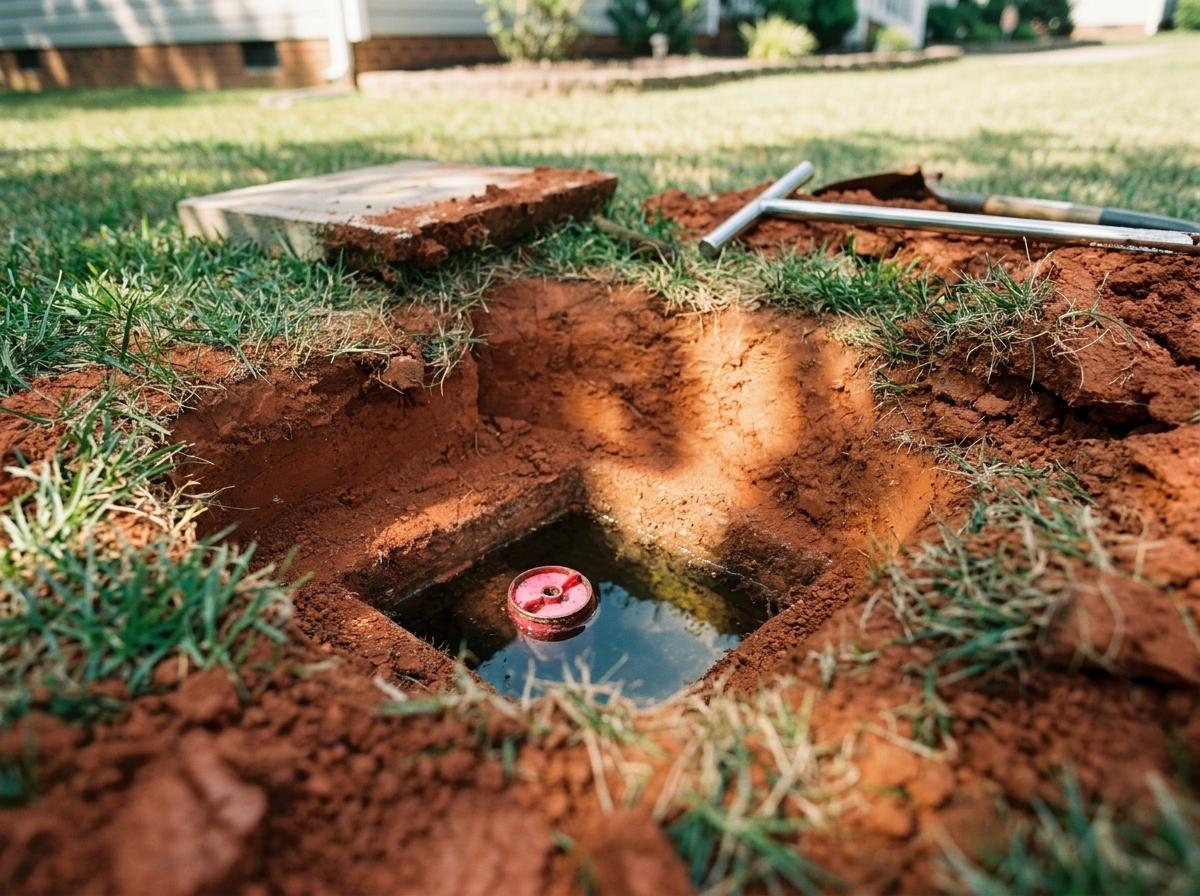
Having a professional inspect your septic system can uncover issues that records alone cannot. Let’s explore why these inspections are invaluable.
Importance of Current Inspections
Current inspections provide a snapshot of your system’s health. While records tell the history, inspections reveal current conditions.
A qualified inspector will assess components like the tank, drain field, and piping. They can detect issues not visible to untrained eyes. Regular inspections help maintain system efficiency, preventing unexpected breakdowns. Scheduling these checks ensures you stay ahead of potential problems.
Why Choose Dahl Septic Services
When it comes to inspections, choosing the right service provider matters. Dahl Septic Services offers comprehensive and reliable inspections in North Carolina.
With advanced technology and expertise, Dahl’s team thoroughly evaluates every system part. This approach ensures nothing gets overlooked. Their customer-centric service guarantees satisfaction and peace of mind. For property owners in Albemarle, NC, and surrounding areas, Dahl Septic Services is a trusted partner for all your septic needs.
Frequently Asked Questions
What information can I find in septic permit records?
Septic permit records include details about the type and capacity of the system, installation dates, and any modifications or repairs made over time. This information is crucial for planning maintenance and avoiding future issues.
How often should I have my septic system inspected?
Septic systems should be inspected every one to three years, depending on the system type and household usage. Regular inspections help ensure proper functioning and compliance with regulations.
What are the benefits of choosing Dahl Septic Services?
Dahl Septic Services provides thorough inspections using advanced technology. Their experienced team ensures reliable service, helping you make informed property decisions with confidence.
How can I access Tennessee septic permit records online?
To access Tennessee septic permit records, visit the TDEC septic records page and enter your property’s details. The online tool provides a comprehensive overview of your septic system’s history.
Why are local health offices important in septic permit searches?
Local health offices maintain detailed records that may not be available online. Visiting these offices can provide additional insights and support in navigating regulations and compliance.