Applying for a septic tank permit in North Carolina can feel like navigating a maze. Many homeowners in Albemarle, Stanly, and Union Counties get held up by missing documents or unclear steps. Knowing exactly what the county health department septic process requires saves time and stress. This guide breaks down your septic tank permit application NC, so you can move forward with confidence and avoid common pitfalls. Learn more about the process in our comprehensive guide.
Navigating the Septic Permit Process
Getting a septic permit in North Carolina involves a detailed process, but understanding the steps can make it smoother. Let’s dive into what you need to know about septic tank permits in this state.
Understanding Septic Tank Permits in NC
A septic tank permit is essential for installing or modifying a septic system. It ensures your system meets health and environmental standards. Without it, you risk fines and operational issues. In North Carolina, permits also help protect the environment by ensuring systems are correctly installed and maintained.
Key Steps to Apply for a Permit
Applying for a septic permit involves several key steps. First, you’ll need a soil and site evaluation to determine if your property is suitable for a septic system. This includes a percolation test to check soil absorption rates. Next, submit your application to the county health department with required documents, like site plans and soil reports. The process may vary slightly by county, but involves similar steps across North Carolina.
Avoiding Common Application Mistakes
Mistakes can delay your septic permit application. Common errors include incomplete forms, missing documents, or incorrect fees. Avoid these by double-checking your submission and consulting with professionals. Hiring experienced services like Dahl Septic ensures your application is complete and accurate, saving you time and hassle.
County-Specific Permit Guidelines
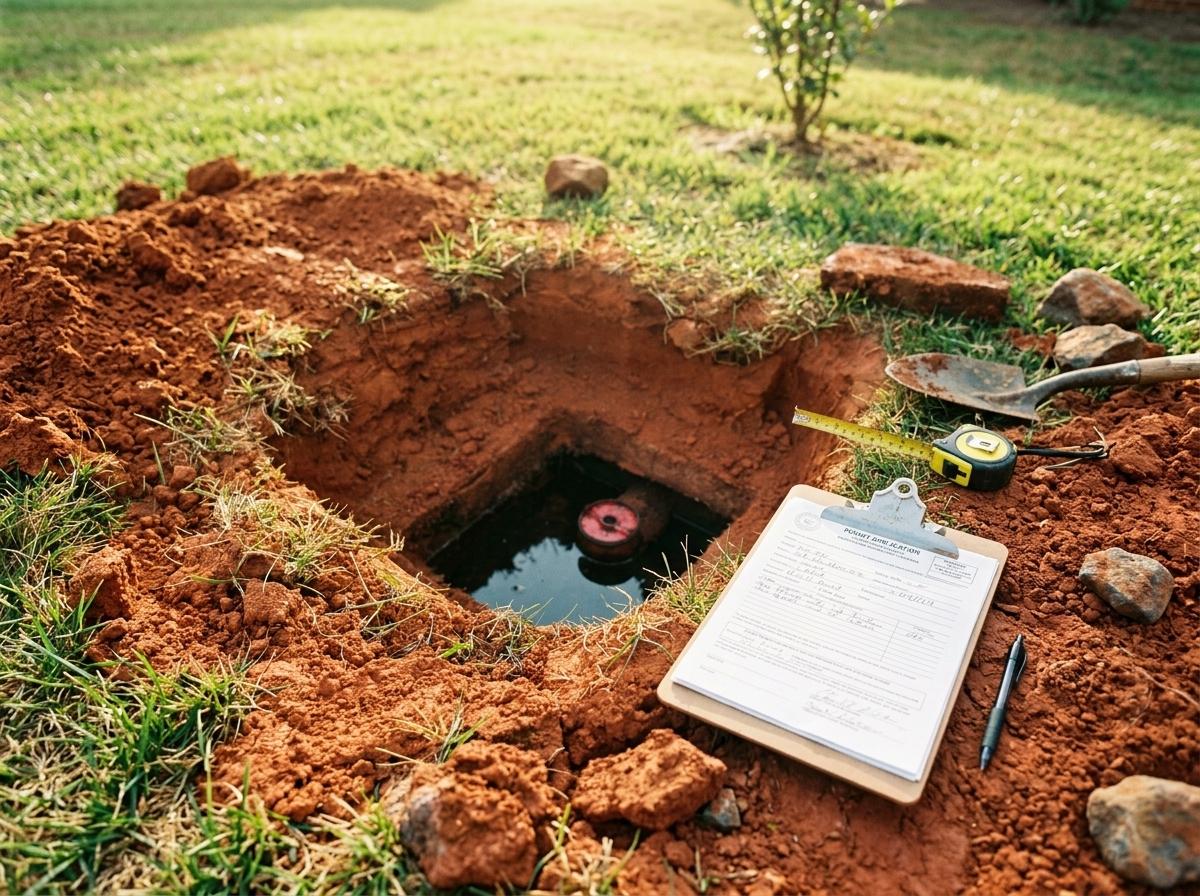
Each county may have specific requirements and guidelines for septic permits. Here’s what you need to know for Albemarle, Stanly, and Union Counties.
Albemarle Septic Permit Requirements
In Albemarle, the local health department requires a detailed site evaluation. This includes soil testing and a layout of the proposed septic system. Ensure all forms are correctly filled out and submit them with the necessary fees. Working with a local expert familiar with Albemarle’s requirements can streamline this process.
Stanly County Permit Procedures
Stanly County has its own set of guidelines for septic permits. Applicants must provide a site plan and soil evaluation report. The county health department reviews these documents to ensure they meet local standards. It’s wise to have a professional oversee the process to avoid delays caused by missing or incorrect information.
Union County Septic Application Tips
For Union County, start with a thorough soil and site evaluation. Submit your application with all required documentation to the county health department. Pay careful attention to the county’s specific requirements, as missing details can lead to application rejection. Consulting a septic expert familiar with Union County’s process can help.
Partnering with Dahl Septic Services
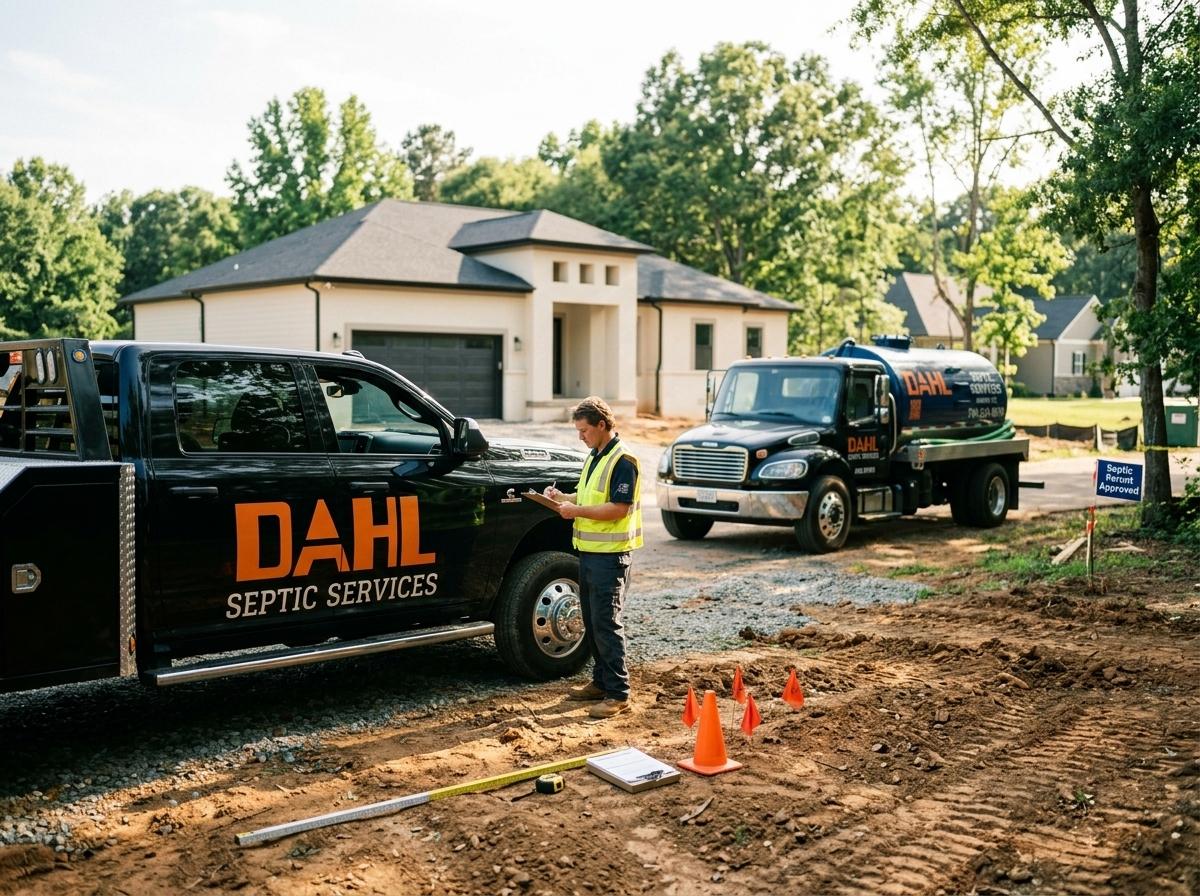
Choosing a professional service can make your septic permit application smoother and stress-free. Here’s why partnering with Dahl Septic Services is beneficial.
Benefits of Professional Support
Professional support provides peace of mind. Dahl Septic offers expertise in navigating permit processes, ensuring all requirements are met. Their team handles documentation and evaluations, reducing the risk of errors and delays. Most homeowners find that professional help simplifies the process significantly.
Services Offered by Dahl Septic
Dahl Septic Services provides a comprehensive range of services, including soil evaluations, permit applications, and system installations. Their advanced inspection technology uncovers potential site issues early, ensuring compliance with county requirements. This proactive approach saves time and prevents costly mistakes.
Scheduling Your Free Consultation
Ready to simplify your septic permit process? Schedule a free consultation with Dahl Septic Services. Their team will guide you through every step, from site evaluations to final approvals. Contact them today to get started on your septic project with confidence.
Frequently Asked Questions
What is a percolation test?
A percolation test checks how quickly soil absorbs water, which is crucial for determining if a site is suitable for a septic system. It helps ensure the system will function properly without overflowing or contaminating groundwater.
How long does a septic permit take to process?
The processing time for a septic permit in North Carolina can vary by county and the completeness of your application. It usually takes several weeks, but hiring a professional can reduce delays.
What documents are required for a septic permit?
Typically, you’ll need a site plan, soil evaluation report, and completed application forms. Each county may have additional requirements, so it’s crucial to check local guidelines or work with a professional service like Dahl Septic Services to ensure you’re prepared.
Can I install a septic system myself?
While some homeowners may attempt to install a septic system themselves, it is generally recommended to hire a professional. Proper installation is crucial for system efficiency and to meet local health department regulations.
Why is a septic permit necessary?
A septic permit ensures your system is environmentally safe and compliant with health standards. It protects public health by preventing system failures that could lead to contamination.