Late summer heat and sudden storms put your septic system under pressure. Ignoring August septic tips NC can lead to slow drains, odors, or costly repairs just when you least expect them. This checklist covers key steps every North Carolina homeowner should know to protect their system before problems start. Keep reading to ensure your septic inspection Albemarle or nearby counties goes smoothly this season. For more details, check out our comprehensive guide.
Essential August Septic Tips
North Carolina Septic Maintenance
As summer winds down, it’s vital to keep your septic system in top shape. North Carolina’s unique climate can create specific challenges for septic systems, especially during late summer. Regular maintenance ensures your system runs smoothly year-round.
Late-Summer System Risks
Late-summer storms can overwhelm septic systems with excessive rainwater, which can lead to backups. High temperatures also increase bacteria growth, risking odors and slow drains. Stay ahead of these problems with proactive care.
Priority Septic Checkup Slots
Booking a checkup before issues arise is key. As summer ends, schedule your septic inspection in Albemarle or surrounding counties to ensure your system is ready for the upcoming season. Book early to avoid the rush.
Critical System Components to Inspect
Effluent Filter and Pump Testing
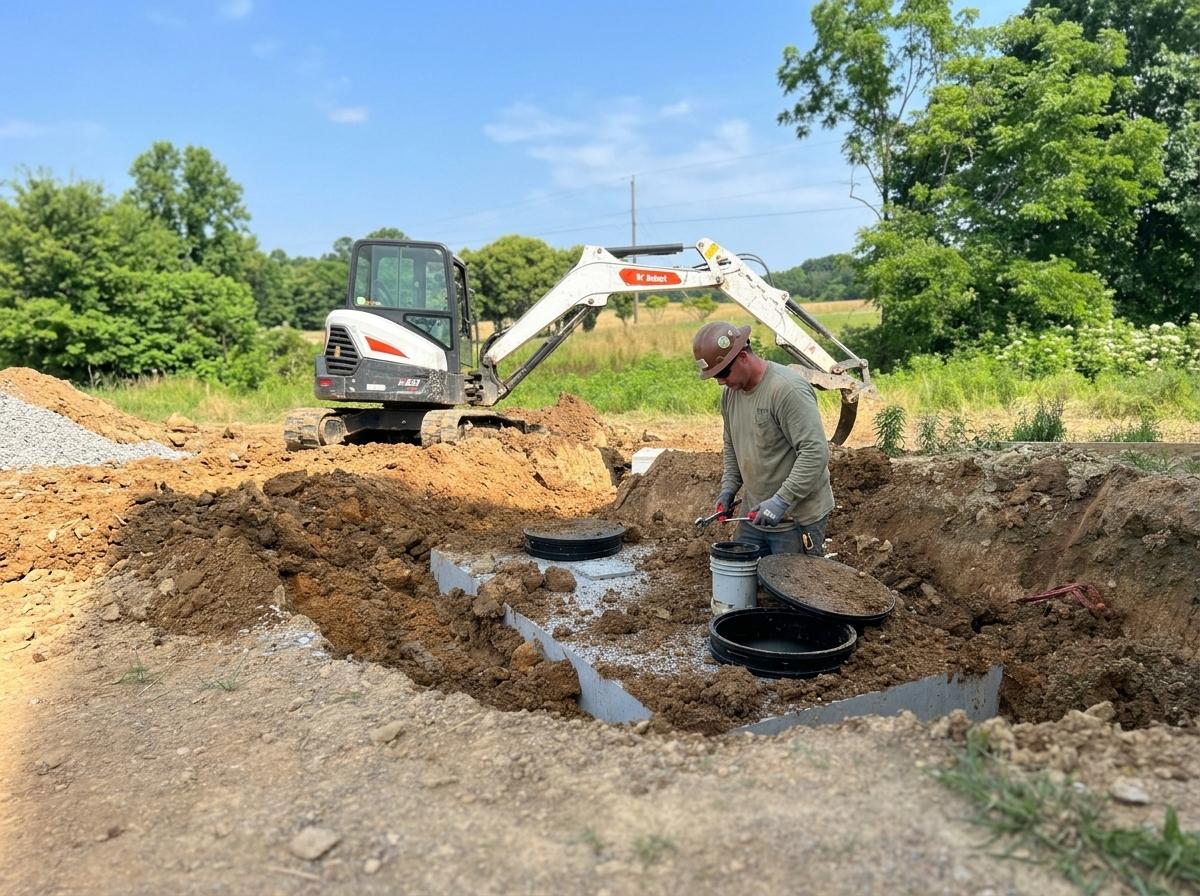
Checking the effluent filter is crucial to prevent clogs. A blocked filter can slow down the drainage, leading to backups. Regular pump testing ensures that wastewater is effectively moved through the system. Most homeowners don’t realize how essential these components are until problems arise.
Every 3 to 5 years, have a professional test and clean your effluent filter. This prevents buildup that can impede flow. Pump testing should also be part of your routine maintenance. It confirms that your pumps are functioning correctly, avoiding costly repairs down the line.
Baffle and Tee Assessment
The baffle and tee help guide wastewater through your system. If they are damaged, solids can flow into the drainfield, causing clogs. Regular assessment keeps them in good condition and your system functioning well.
A professional inspection ensures these components are not cracked or misaligned. Many people overlook this step, but it’s crucial for system longevity. If you notice unpleasant odors or slow drains, it may be time for a baffle and tee inspection.
Root Intrusion and Stormwater Control
Roots and stormwater pose significant threats to septic systems. Tree roots can invade septic lines, causing blockages. Meanwhile, stormwater can saturate drainfields, leading to backups. Addressing these issues is critical for system health.
To mitigate these risks, regularly inspect for root intrusion. Consider installing barriers to keep roots at bay. Stormwater should also be redirected away from the drainfield. These steps ensure your system remains efficient and trouble-free.
Protecting Your Drainfield
Leach Field Care Best Practices
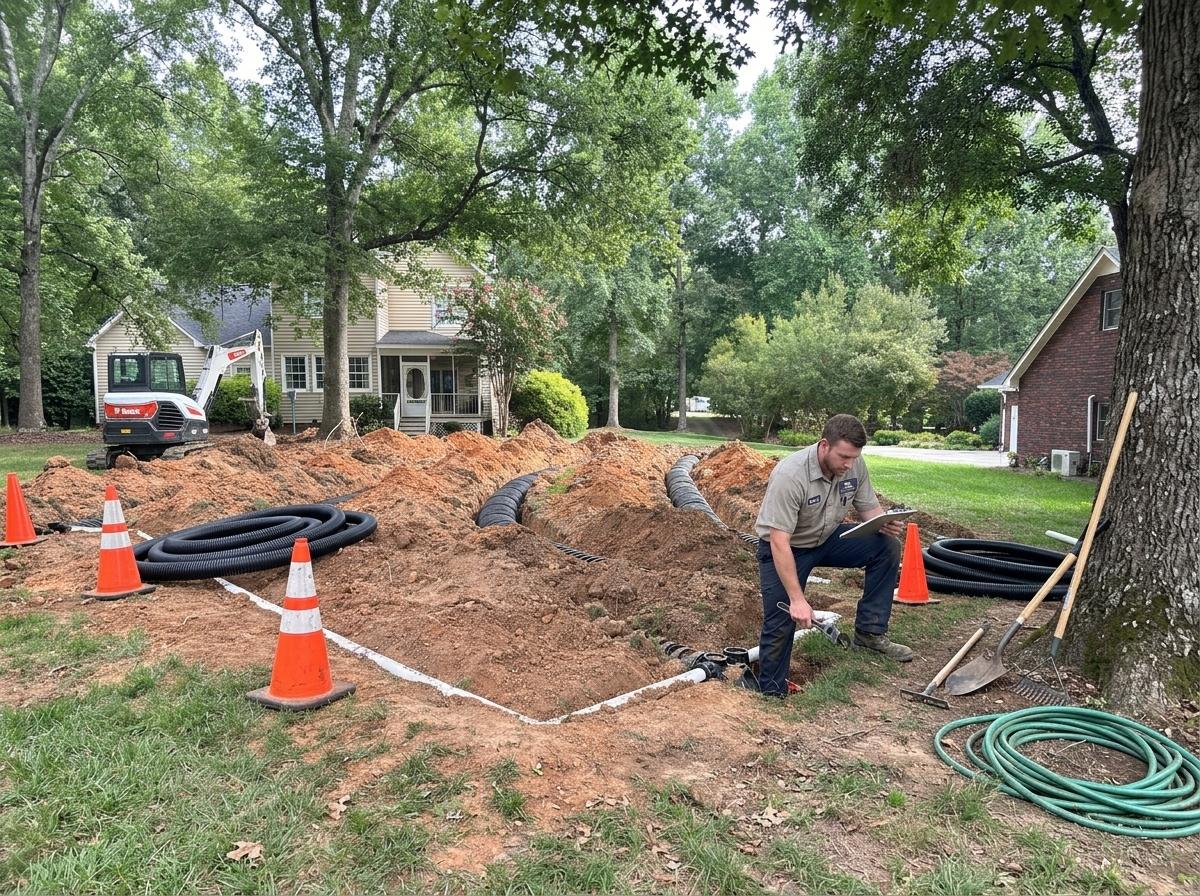
Your leach field is vital for wastewater treatment. Proper care prevents system failures. Avoid parking or planting trees on the field, as this can compact soil or interrupt drainage.
Regular inspections and maintaining clear boundaries around the leach field are key. Use water efficiently and avoid overwhelming the system. If you follow these best practices, your leach field will remain effective for years to come.
Eco-Friendly Septic Solutions
Choosing eco-friendly solutions benefits both your system and the environment. Eco-friendly treatments help maintain bacterial balance without harsh chemicals. These options are safer and support a sustainable septic system.
Consider alternatives like natural bacterial additives. They enhance system performance while reducing environmental impact. By adopting these solutions, you contribute to a greener future and a more resilient system.
Advanced Inspection Technology Use
Modern technology offers advanced inspection methods that provide a comprehensive view of your system’s condition. Using cameras and other tools, professionals can detect issues early, ensuring your system’s longevity.
Utilizing advanced technology allows for precise diagnostics. This proactive approach prevents small issues from becoming major problems. Regular inspections with these tools ensure your system stays in peak condition.
Frequently Asked Questions
What are the first signs of septic system failure?
Common signs include slow drains, foul odors, and standing water near the drainfield. If you notice any of these, contact a professional for an inspection promptly.
How often should I have my septic system inspected?
It’s recommended to inspect your system every 3 to 5 years, depending on usage and household size. Regular inspections help catch issues early and prolong system life.
What can I do to prevent root intrusion in my septic system?
Plant trees and shrubs away from the septic tank and drainfield. Use root barriers and regularly inspect your system for intrusions to avoid potential damage.
Why is stormwater control important for septic systems?
Excess stormwater can flood the drainfield, causing backups and system failures. Proper drainage and diversion help maintain system efficiency and prevent costly repairs.
Are eco-friendly septic treatments effective?
Yes, eco-friendly treatments enhance bacterial activity without using harsh chemicals. They support a balanced ecosystem within your septic system and promote long-term health.