Summer heat puts extra strain on your septic system in North Carolina. Ignoring early warning signs can lead to costly repairs and unpleasant backups just when you least expect them. This guide covers everything you need for summer septic maintenance—from spotting trouble to scheduling a septic inspection North Carolina homeowners trust. Read on to protect your home before problems escalate. For more details, visit The Homeowner’s Guide to Summer Septic Care.
Recognizing Septic Warning Signs
Knowing what to watch for can save you time and money. Look out for signs that your septic system might be struggling. Recognizing these early can help you take action before small issues become big problems.
Slow Drains and Gurgling Pipes
Slow drains can be a telltale sign that something is wrong. When water takes longer to leave your sink or tub, it’s often due to a blockage. Gurgling sounds in your pipes are another indicator. This noise suggests air is trapped in the system, possibly from a clog or septic tank issue. These symptoms might seem small, but ignoring them can lead to major headaches. Most people assume slow drains are just a nuisance, but they could signal a bigger problem with your septic system.
Sewage Odor in the Yard
If you smell something unpleasant in your yard, it might not be just the summer heat. A sewage odor suggests a potential leak in your septic system. This smell can indicate that wastewater isn’t being properly contained. Spotting this early helps to avoid health risks and property damage. Remember, the longer you wait, the more serious the issue can become. So, if you notice a bad smell, it’s time to investigate further.
Leach Field and Drainfield Maintenance
Proper care for your leach field is vital for your septic system’s health. This area helps filter wastewater, and problems here can cause backups. Keep heavy objects off your leach field and ensure the area has proper drainage. Avoid planting trees or shrubs nearby, as roots can damage pipes. By maintaining this part of your system, you help prevent costly repairs. It’s easy to overlook, but regular care can save you from serious issues.
Essential Summer Septic Maintenance
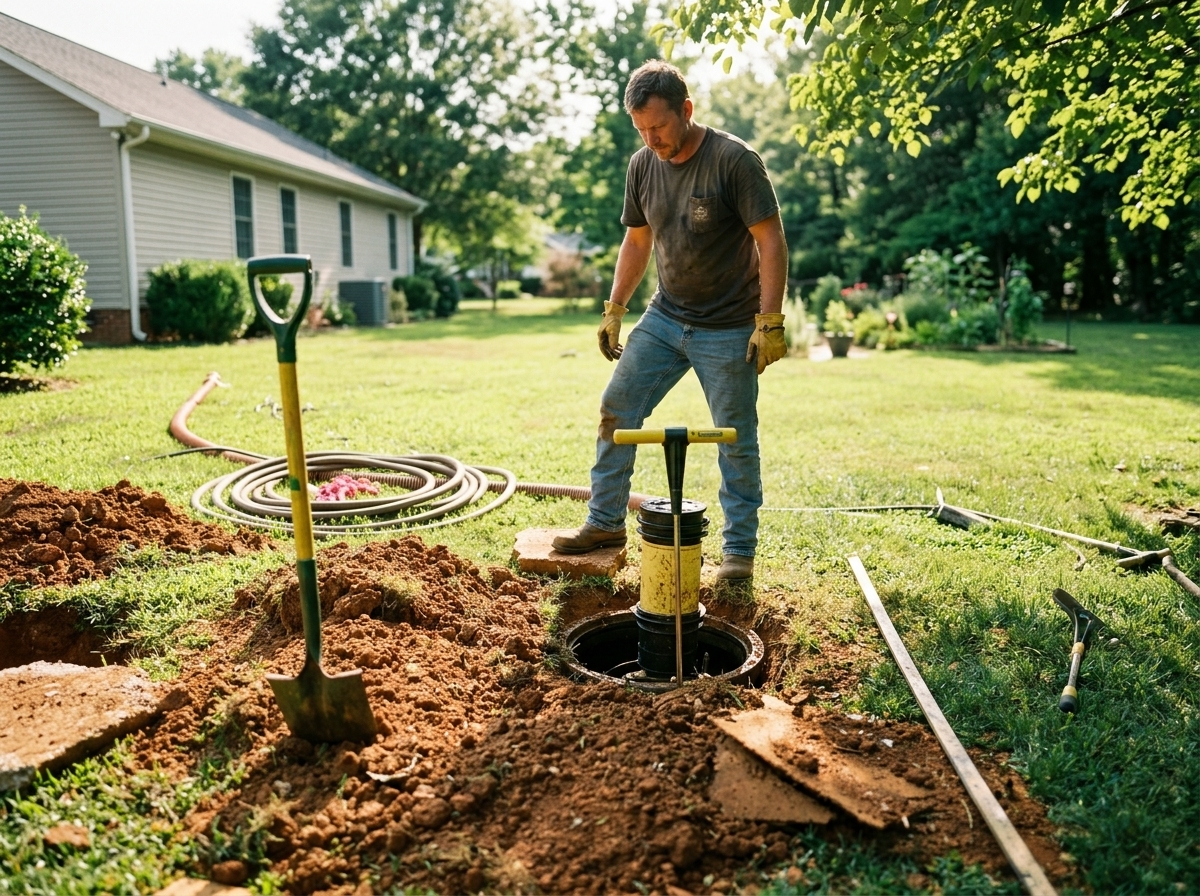
Summer is the perfect time to focus on septic maintenance. Keeping your system in top shape ensures it functions smoothly during the hottest months. Here’s how to stay ahead with a few simple steps.
Septic Tank Pumping Schedule
Maintaining a regular pumping schedule is key. Most systems need pumping every 3-5 years. This routine helps prevent buildup that can lead to blockages and system failure. By scheduling regular pumping, you extend the life of your system and reduce the risk of unexpected repairs. It’s a small step that provides peace of mind. Plus, consistent maintenance is always more cost-effective than emergency fixes.
Eco-Friendly Septic Solutions
Consider eco-friendly options to support your septic system. Using biodegradable products reduces the chance of buildup and keeps your system running smoothly. Avoid flushing non-degradable items; they can cause clogs and damage. Eco-friendly practices not only benefit your system but also the environment. Most homeowners think any product is safe, but choosing the right ones makes a big difference. For more tips, check out eco-friendly septic solutions.
DIY Septic System Checklist
You can perform some simple checks to ensure your septic system is in good shape. Start by checking for any visible signs of damage around your septic tank and leach field. Look for wet spots, unusual plant growth, or odors. Ensure water-using appliances are functioning properly to prevent excess water from overloading the system. These small steps help you catch issues early. A little effort goes a long way in preventing major problems.
Importance of Professional Septic Inspections
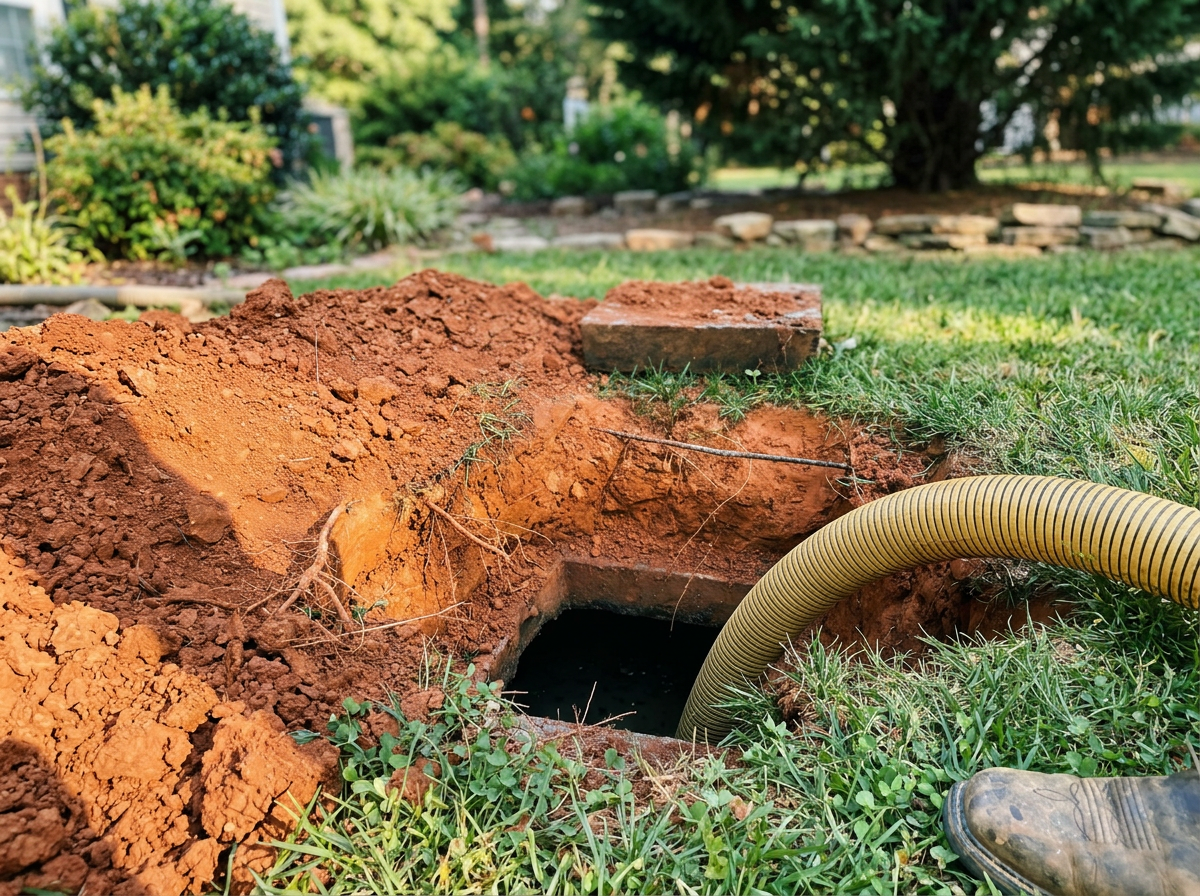
While DIY care is beneficial, nothing beats a professional inspection. Experts can spot issues you might miss, ensuring your septic system is in peak condition.
Advanced Septic Inspection Technology
Professional inspections use advanced technology to thoroughly assess your system. Cameras and other tools let inspectors see areas you can’t, like the inside of pipes and tanks. This detailed look helps identify problems before they become serious. Investing in this technology saves you from future headaches. It’s surprising how much goes unseen without these tools. For more insights, visit advanced septic inspection technology.
Scheduling North Carolina Septic Inspections
Scheduling an inspection in North Carolina is straightforward. Aim to have your system inspected at least once a year. Regular check-ups ensure everything functions as it should and helps meet local regulations. An inspection offers peace of mind, knowing your system is in expert hands. Plus, it supports long-term home value by preventing unexpected repairs.
Benefits of Real Estate Septic Inspection
For home buyers, a septic inspection is crucial. It reveals the system’s condition and any potential issues, helping you make informed decisions. Knowing the state of the septic system can prevent costly surprises after purchase. It’s a small step that provides significant reassurance. Why gamble on such a crucial part of your new home?
Frequently Asked Questions
What are common septic system warning signs?
Common signs include slow drains, gurgling pipes, sewage odors, and wet spots around the leach field. These indicate potential issues that may require professional attention.
Why is regular septic tank pumping important?
Pumping prevents buildup that can lead to system failure. Regular maintenance extends the system’s life and reduces the risk of costly repairs.
How often should septic inspections be scheduled in North Carolina?
Annual inspections are recommended to ensure compliance with local regulations and to catch any potential issues early on.
Can I perform septic maintenance myself?
While you can handle basic checks, professional services are essential for thorough inspections and addressing complex issues.
What benefits do eco-friendly septic solutions offer?
Eco-friendly solutions help prevent clogs and damage, reduce environmental impact, and support overall system efficiency.