Top Eco-Friendly Septic System Upgrades for Sustainable Waste Management in North Carolina
Old septic systems can quietly damage your property and pollute North Carolina’s groundwater. If you’re a homeowner or buyer in Albemarle, Stanly, or Union County, upgrading with eco friendly septic upgrades can cut nitrogen loading and extend your drainfield’s life. Let’s explore practical steps that meet NCDEQ standards and protect your investment with Dahl Septic Services guiding the way. Learn more about green septic systems and how to make your system more eco-friendly here.
Eco-Friendly Septic Upgrades
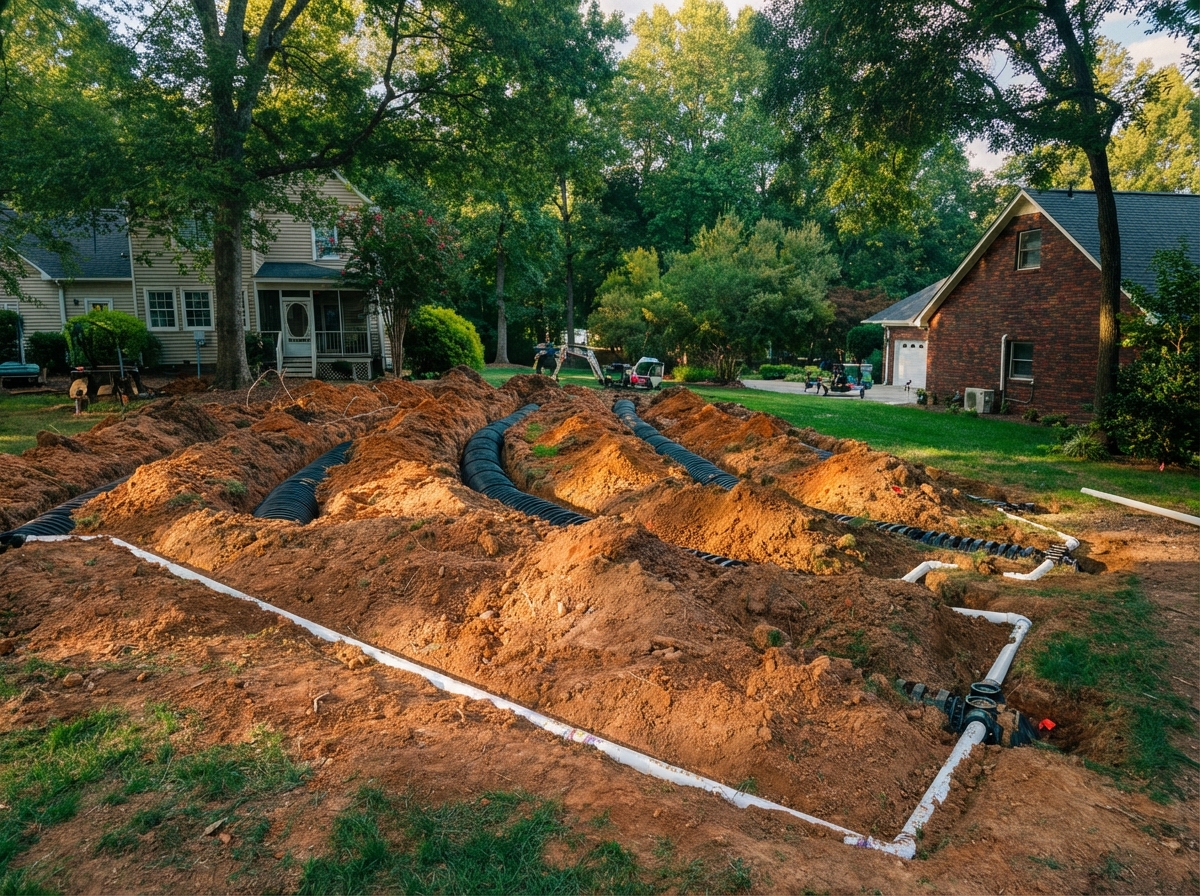
Eco-friendly septic upgrades are essential for safeguarding both your property and the environment. By choosing these sustainable options, you ensure your system works efficiently while minimizing ecological impact.
Aerobic Treatment Units for Nitrogen Reduction
Aerobic Treatment Units (ATUs) are a fantastic choice if you want to limit nitrogen discharge. ATUs use oxygen to break down waste effectively. This process drastically cuts down on harmful nitrogen levels, benefiting local water sources. Imagine reducing your system’s nitrogen output by half. That’s a significant environmental gain!
These units work by introducing air into the treatment tank, promoting the growth of aerobic bacteria, which are more efficient at breaking down waste. This leads to cleaner effluent that’s safer for your drainfield and the environment. Plus, with an ATU, you often see fewer odors and more efficient waste processing.
Many homeowners find that investing in an ATU not only benefits the environment but also enhances system longevity. Reduced nitrogen means less strain on your system over time. And with Dahl Septic Services, you have expert guidance in selecting the right ATU for your needs.
Effluent Filters to Protect Drainfields
Effluent filters play a crucial role in maintaining a healthy drainfield. These filters catch solid particles before they reach the drainfield. By preventing clogs, they extend the life of your system and reduce maintenance costs.
Installing an effluent filter is straightforward and provides immediate benefits. Once in place, solid materials are trapped, ensuring only liquid waste enters the drainfield. This simple addition can double the lifespan of your field. Imagine fewer repairs and a more efficient system overall.
Homeowners who use effluent filters often report fewer issues with backups. Less clogging means less stress on your entire septic system. By choosing this upgrade, you protect both your property and your peace of mind.
Low-Pressure Pipe and Drip Dispersal
Switching to a low-pressure pipe (LPP) system ensures even distribution of wastewater. LPP systems use smaller doses of effluent, minimizing soil saturation and promoting better treatment. This system encourages efficient water use, making it a sustainable choice.
Drip dispersal systems take this concept further, spreading wastewater over a larger area. This method enhances soil absorption and treatment while protecting the environment. With drip dispersal, you improve soil health and reduce the risk of water pollution.
These systems are perfect for areas with challenging soil conditions. If your property struggles with drainage, consider an LPP or drip dispersal system. The investment pays off with a healthier, more efficient septic solution.
Smart Septic Monitoring Systems
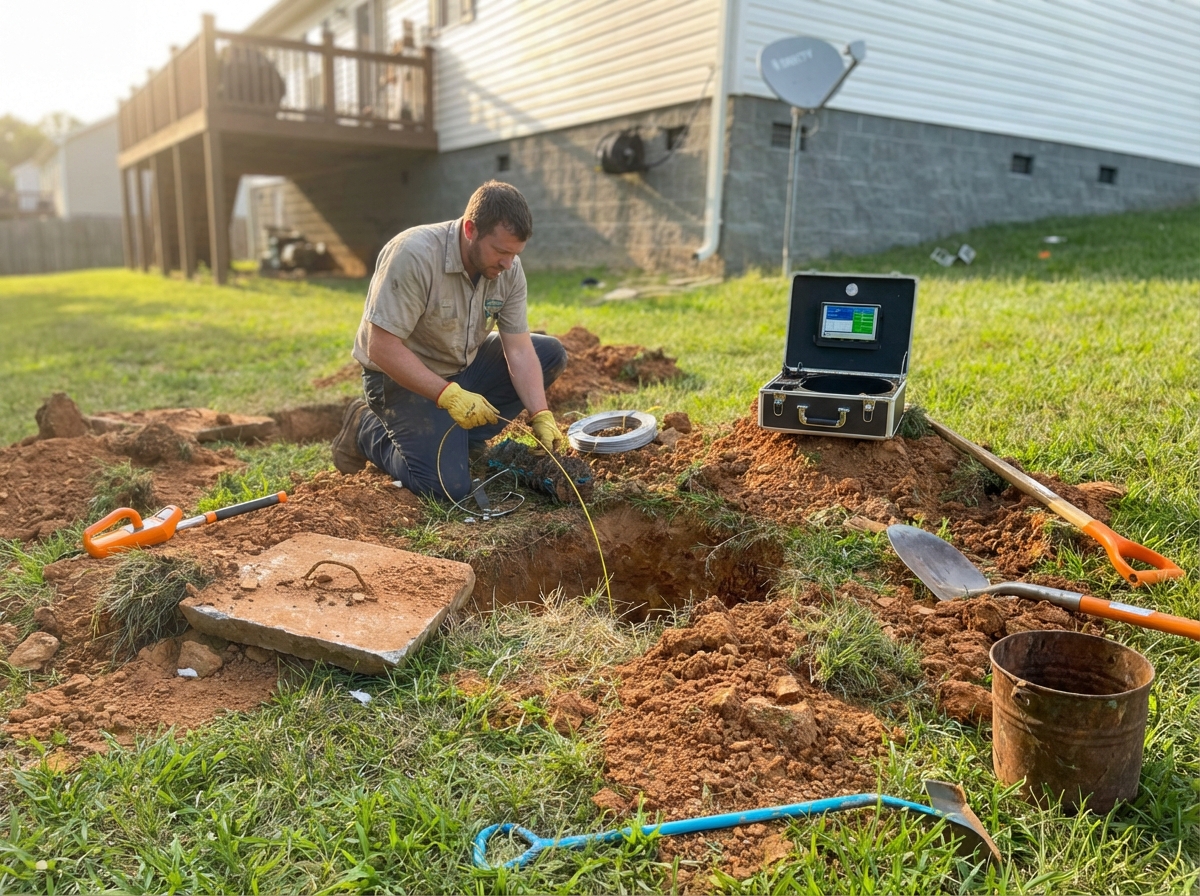
Smart monitoring systems are revolutionizing septic care. With real-time data, you can address issues before they escalate, saving time and money. Let’s look at how these systems offer peace of mind.
Proactive Leak Alerts and Maintenance
Imagine knowing about a leak before it becomes a problem. Smart systems provide alerts for leaks, enabling fast action. Early detection helps protect your property from costly repairs and environmental damage.
These systems work through sensors placed in key areas of your septic setup. Once a leak is detected, you receive an alert on your phone. This means you can act quickly, reducing repair costs and preventing property damage.
Most people think septic issues are inevitable, but smart monitoring proves otherwise. By staying informed, you maintain control over your system’s health, ensuring it lasts longer and performs better.
Energy-Efficient Aerators and Blowers
Energy efficiency is a priority for many homeowners. Modern aerators and blowers use less power, reducing your carbon footprint. These components keep your system running smoothly while lowering utility bills.
Aerators introduce oxygen into your tank, aiding in waste breakdown. Energy-efficient models perform this task without excessive energy use, offering a win-win for you and the planet.
By upgrading to energy-efficient models, you benefit from a system that runs quietly and cost-effectively. Over time, these savings add up, making this upgrade a smart financial choice.
Telemetry for Remote System Management
Telemetry systems allow you to manage your septic setup from anywhere. These systems offer remote access to vital data, giving you control over your system’s performance. This technology ensures optimal operation and peace of mind.
With telemetry, you can monitor system health, schedule maintenance, and receive alerts. This proactive approach minimizes downtime and extends your system’s life. It’s like having a septic expert on call, 24/7.
Most homeowners find that remote management offers unparalleled convenience. With telemetry, you gain confidence in your system’s reliability, knowing you’re always informed and in control.
Drainfield and Water Conservation Strategies
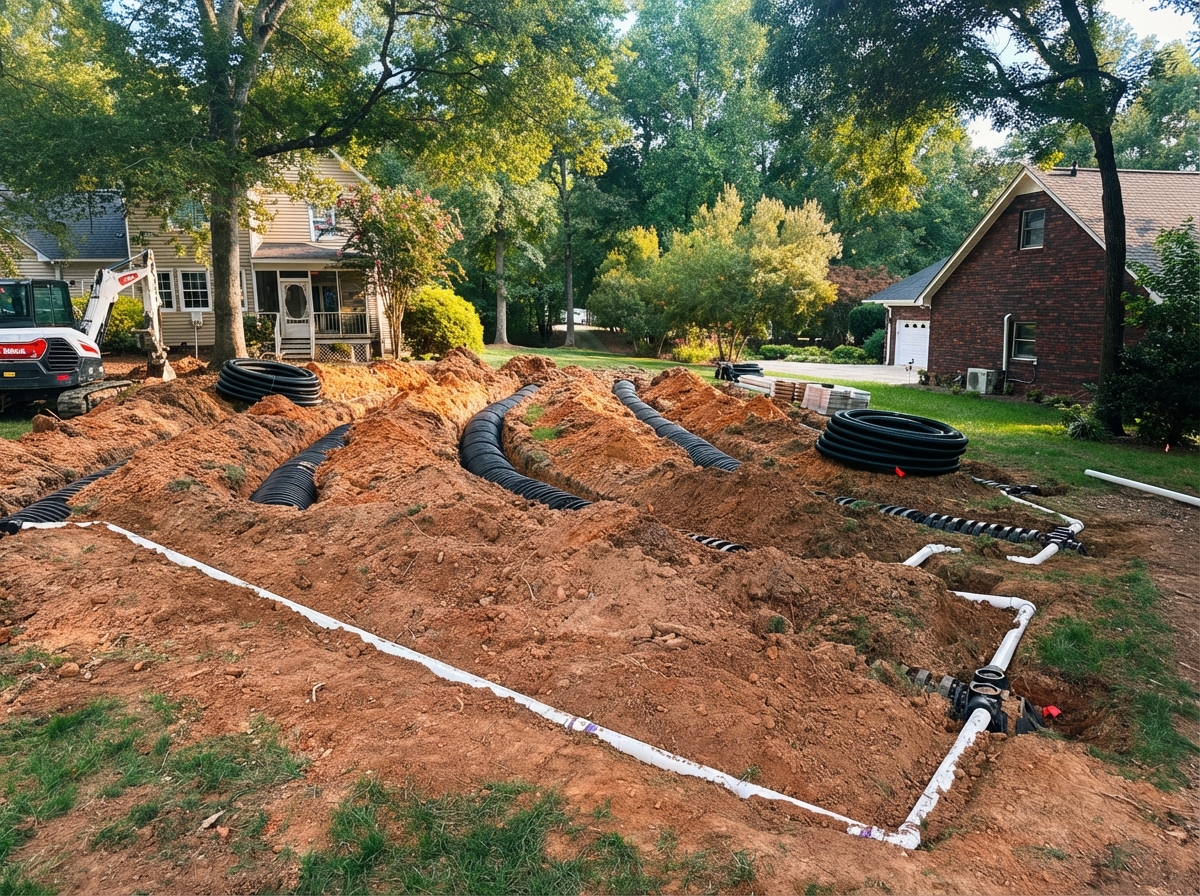
Conserving water and maintaining a healthy drainfield go hand-in-hand. These strategies ensure your septic system operates efficiently while benefiting the environment.
Stormwater and Roof Runoff Diversion
Diverting stormwater and roof runoff is crucial for septic health. Excess water can overwhelm your system, leading to backups and damage. By directing runoff away, you protect your investment and prevent costly repairs.
Simple solutions include installing gutters and downspouts that lead water away from your drainfield. This prevents soil saturation and maintains system balance. A well-drained field is less likely to experience issues, ensuring long-term reliability.
Homeowners who manage runoff effectively often see fewer problems with their septic systems. Reduced water load means your system can focus on treating wastewater, not dealing with excess rain.
Native Landscaping for Drainfield Protection
Native plants are perfect for drainfield areas. They have deep roots that stabilize soil without damaging pipes. These plants require less water and fertilizer, aligning with eco-friendly practices.
By choosing native species, you enhance soil health and prevent erosion. This promotes a balanced environment for your septic system, ensuring it operates smoothly. Plus, native plants support local wildlife, adding beauty and biodiversity to your property.
Implementing native landscaping offers dual benefits: a healthier septic system and a thriving garden space. It’s a sustainable choice that pays off in multiple ways.
Water-Saving Fixtures to Reduce Flow
Reducing water usage eases the strain on your septic system. Water-saving fixtures like low-flow toilets and faucets reduce the volume entering your tank. This extends system life and lowers maintenance needs.
Installing these fixtures is a simple way to make your home more sustainable. They cut water use without sacrificing performance, benefiting both your wallet and the environment.
Homeowners often find that water-saving fixtures lead to noticeable savings on utility bills. By reducing flow, you ensure your septic system functions efficiently for years to come.