Eco-Friendly Septic Systems in North Carolina: How to Choose the Right One for Your Home
Most septic systems fail when you least expect it, leaving costly damage behind. Choosing the right eco-friendly septic system in North Carolina can prevent that—and protect your property and the environment. This guide breaks down how site conditions, regulations, and smart design choices matter for sustainable wastewater treatment. Read on to learn what fits your home and why a professional septic inspection Albemarle NC offers is a must before you decide.
Understanding Eco-Friendly Septic Systems
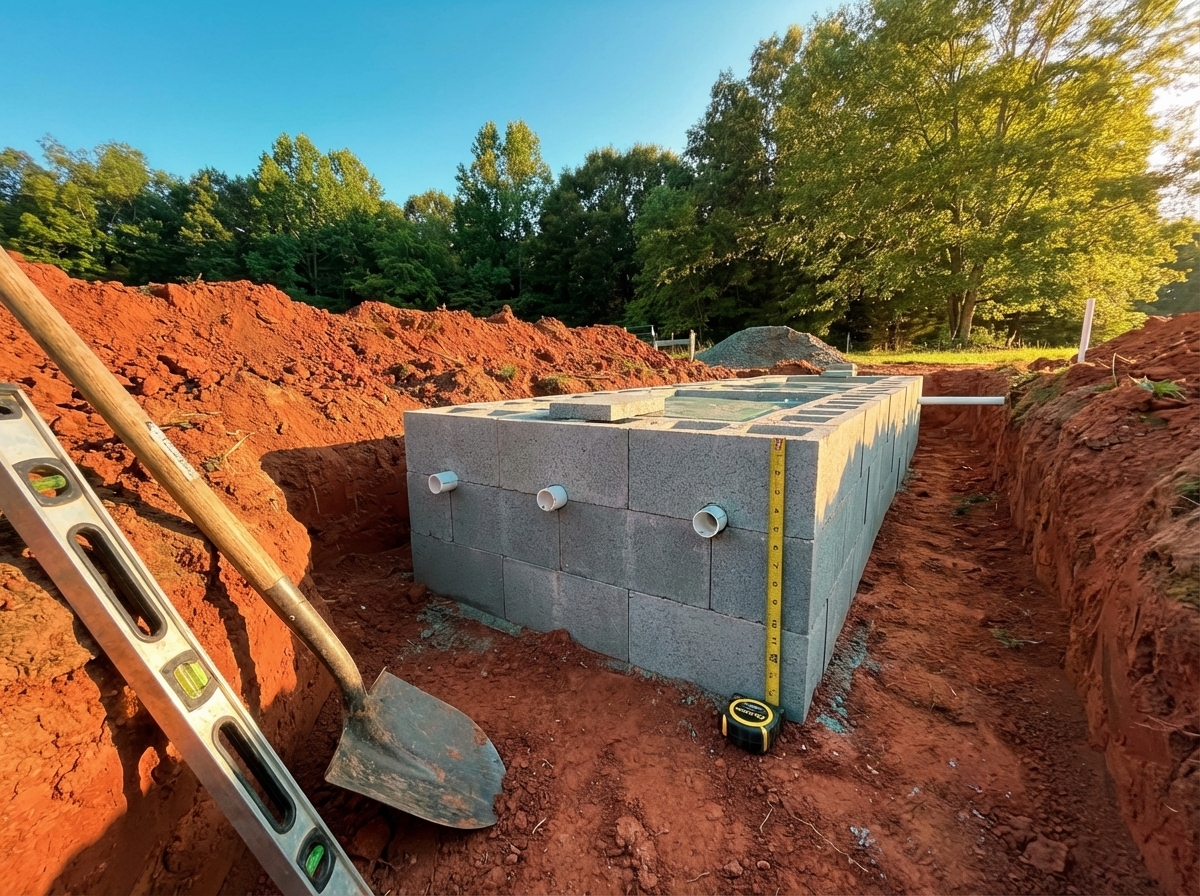
Choosing an eco-friendly septic system matters for both your property and the planet. Let’s take a closer look at what these systems are all about.
What Are Eco-Friendly Septic Systems?
Eco-friendly septic systems use natural processes to treat and manage wastewater. Unlike traditional systems, they focus on reducing impact on the environment.
These systems often incorporate advanced treatment technologies. They break down waste more thoroughly, allowing cleaner water to return to the soil. The result is less pollution and a healthier ecosystem. It’s like having a mini water treatment plant right in your backyard.
Benefits of Sustainable Wastewater Treatment
Why should you consider sustainable wastewater treatment? The benefits are significant.
First, it protects local water sources. By treating water more effectively, these systems help keep rivers and lakes clean. Second, they save money over time. A well-maintained system reduces the need for costly repairs. Lastly, they help in maintaining soil health. Clean water promotes plant growth, which benefits your landscape.
Key Features of Advanced Treatment Units
Advanced treatment units (ATUs) are the heart of eco-friendly systems. They work differently than standard septic tanks.
An ATU uses aerobic treatment to process wastewater. This means it introduces air into the tank, which helps bacteria break down waste faster. The result is cleaner effluent, which is safer for the environment.
These units often include features like effluent filters and pump tanks. These components ensure only treated water reaches the drain field, enhancing system longevity.
Choosing the Right System for Your Home
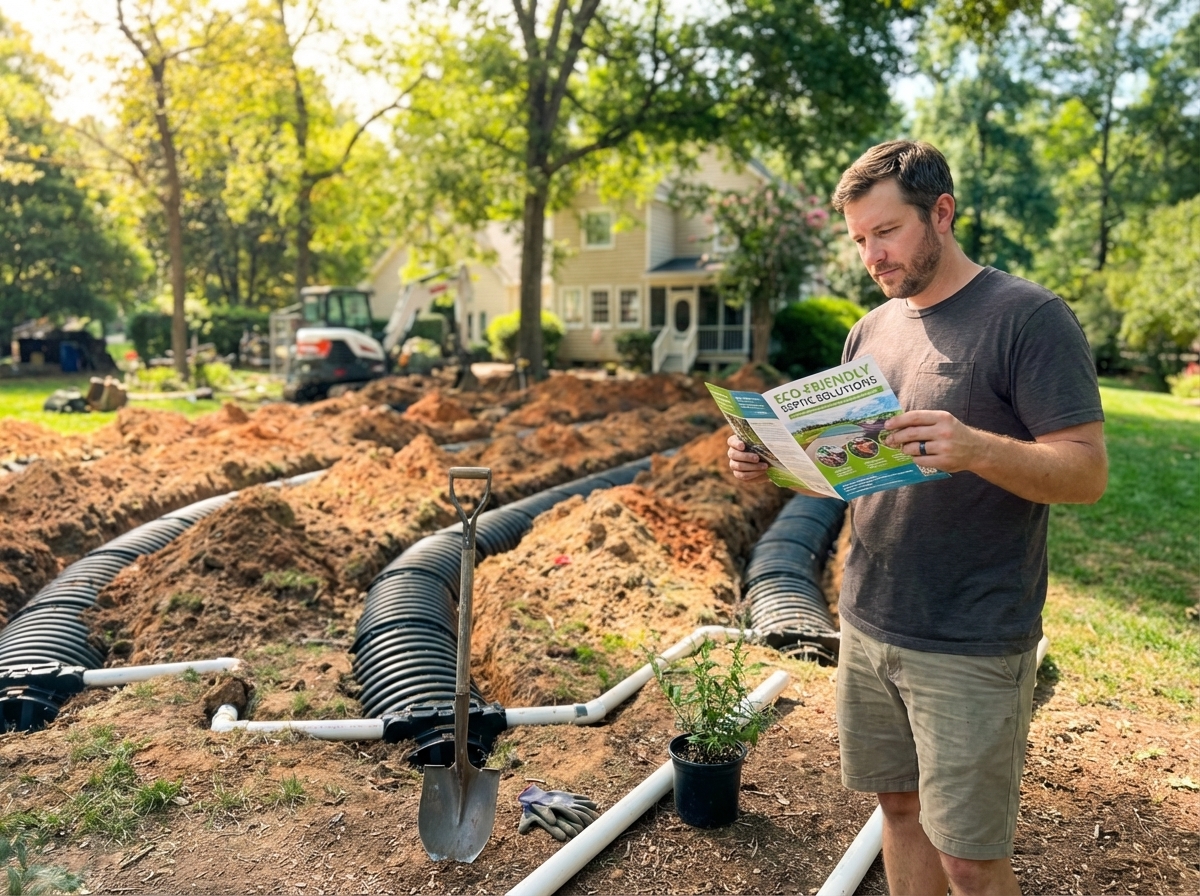
Understanding your options is key, but how do you choose the best system for your home? Factors like soil type and regulations are crucial.
Site Conditions and Soil Evaluations
Your property’s soil type plays a big role in system selection. Not all systems work well with every soil.
A soil and site evaluation is the first step. It assesses how well your soil can absorb water. A percolation test can help determine this. If your soil doesn’t drain well, you might need a specialized system like a mound system.
Navigating North Carolina Regulations
North Carolina has specific regulations for septic systems. Navigating these rules ensures your system is compliant.
You’ll need a septic permit before installation. This involves submitting plans and passing inspections. Staying informed about regulations helps avoid fines and ensures a smooth installation process.
Comparing System Types: ATU, LPP, Mound
There are different types of septic systems, each suited for specific conditions. How do they compare?
ATU (Aerobic Treatment Unit): Best for sites with poor soil or high water tables.
LPP (Low-Pressure Pipe): Ideal for shallow soils.
Mound System: Suitable for areas with a high groundwater level.
Each system has its advantages. Choosing the right one depends on your specific site conditions.
Taking the Next Steps with Professional Help
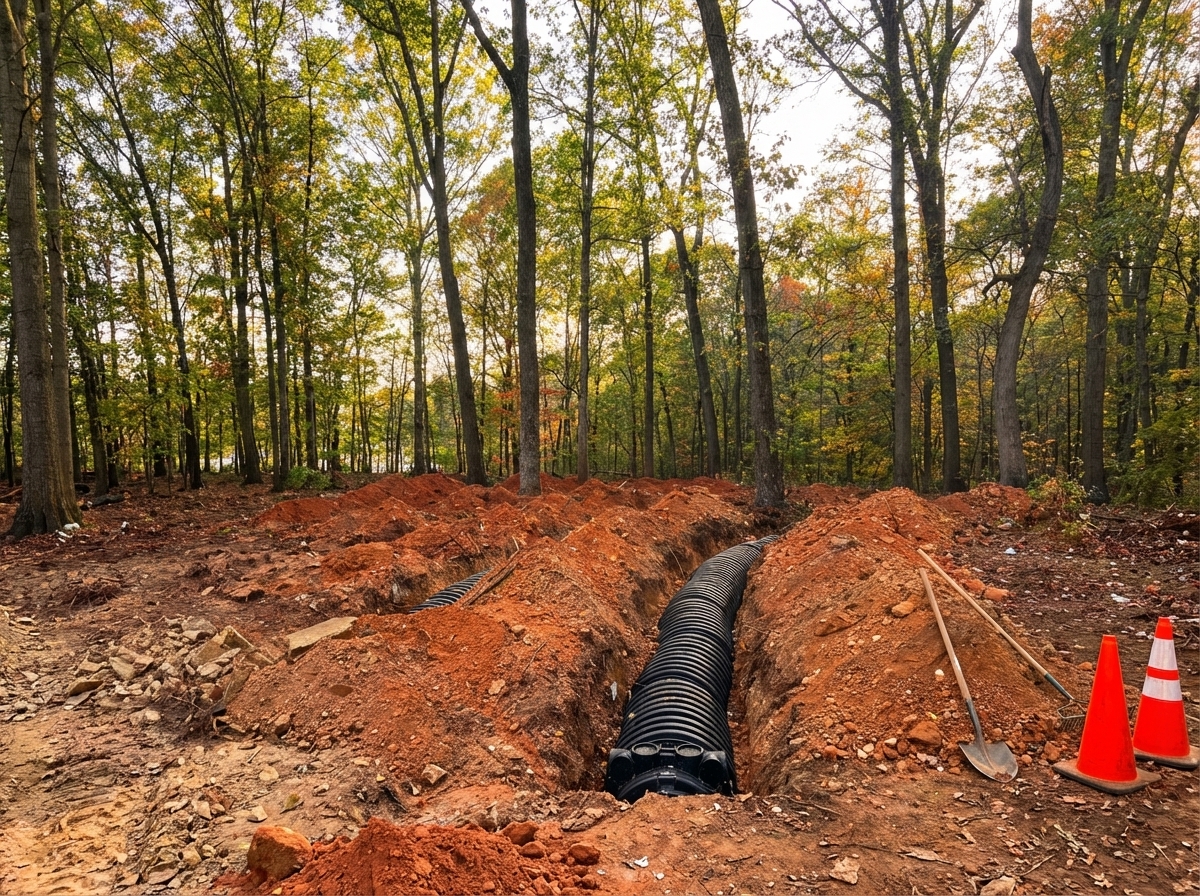
Professional guidance is crucial in choosing and installing the right system. Here’s how to get started.
Importance of a Septic Inspection
A septic inspection is your first step. It identifies existing issues and helps plan for new installations.
Inspections uncover problems that could lead to system failure. Most people assume their system is fine until it’s too late. Scheduling regular checks can save you from costly repairs.
Scheduling a Consultation with Dahl Septic Services
Ready to move forward? Dahl Septic Services offers expert consultations. They can assess your needs and recommend the best system for your property.
Consultations provide tailored advice. You get solutions that fit your budget and meet environmental standards.
Preparing for Septic System Installation in NC
Once you’ve chosen a system, preparation is key. It involves clearing land, digging, and laying pipes.
Having a professional team ensures the job is done right. They manage the entire process, from permits to final installation. With expert help, your eco-friendly system will be up and running smoothly.
Choosing the right eco-friendly septic system is a smart way to protect your property and the environment. With professional guidance, you can ensure a reliable, sustainable solution tailored to your needs.