North Carolina’s peak summer heat puts extra strain on your septic system. Without the right care, dry weather septic problems can quickly escalate, threatening your home and property value. This guide shares essential summer heat septic tips to protect your system and drainfield, so you avoid costly repairs. Keep reading to learn how to safeguard your North Carolina septic system before the heat takes its toll. For more information, check out this guide.
Understanding Summer Heat Risks
As summer temperatures rise, so do the risks to your septic system. Understanding these risks can help you prevent costly damage and keep your home safe.
Impact of Heat on Septic Systems
Hot weather can dry out the soil around your septic system, making it difficult for the system to function properly. Without enough moisture, the drainfield can become compacted, leading to backups and other issues. It’s crucial to maintain the right moisture levels to ensure everything operates smoothly.
Excessive heat can also increase bacteria growth in your tank, which might seem beneficial at first. However, too much bacteria can cause imbalances, leading to odors and reduced efficiency. Keeping your system balanced is key to avoiding these problems.
Common Dry Weather Problems
During dry spells, septic systems often face increased stress. One common issue is soil compaction, which can prevent proper water absorption. This can lead to backups and overflows, posing health risks and causing unpleasant smells.
Another problem is the potential for cracks in the tank or pipes due to shifting soil. Regular checks can help spot these issues early, saving you from hefty repair costs. Remember, prevention is always better than cure when it comes to septic maintenance.
Recognizing Summer Odors
Unpleasant odors are often the first sign of septic trouble during the summer. These smells usually indicate that something is amiss, such as a full tank or a clogged drainfield. If you notice persistent odors, it’s time to take action.
Some assume that odors are a natural part of having a septic system, but this isn’t true. Proper maintenance should keep your system running without causing a stink. If you detect foul smells, it’s a good idea to schedule an inspection with a professional.
Essential Maintenance Tips
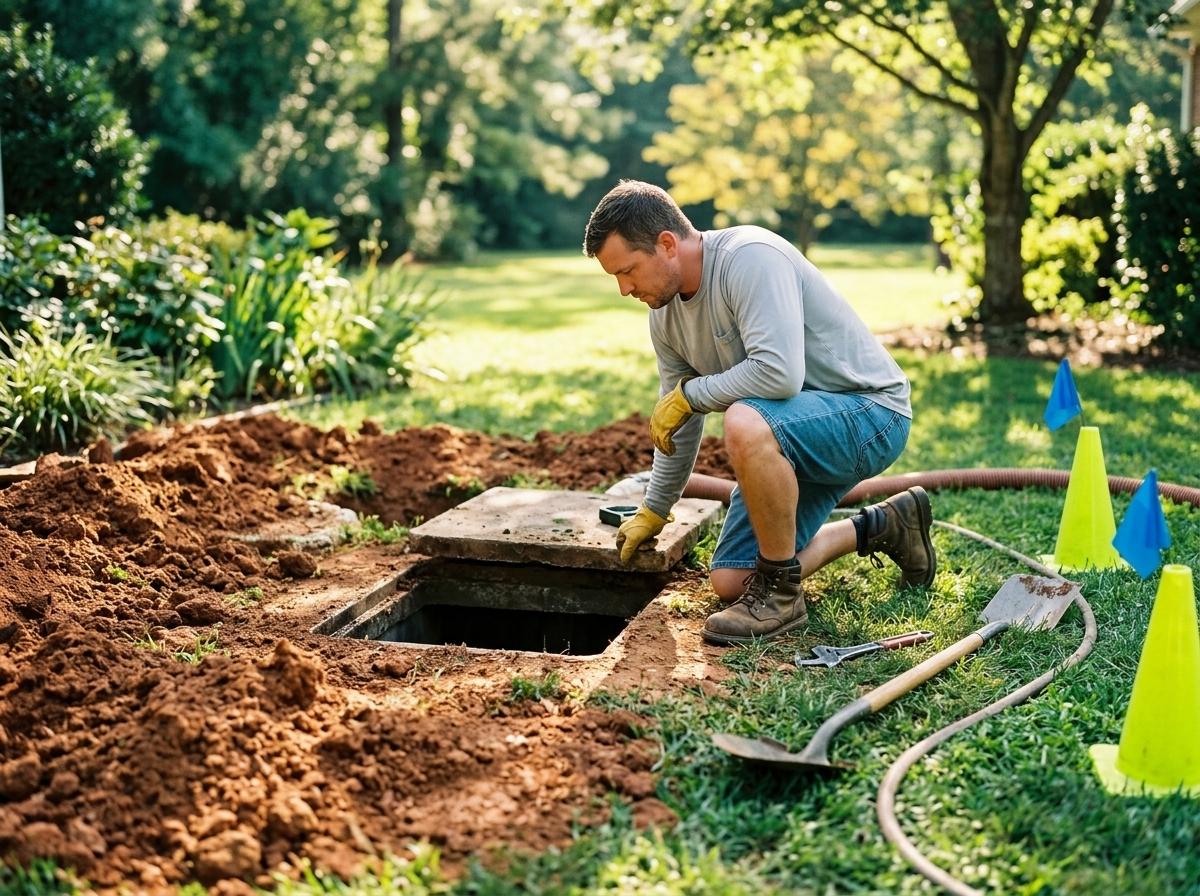
Keeping your septic system in top condition during the summer requires a few key maintenance practices. These tips will help you avoid problems and extend the lifespan of your system.
Regular Inspections and Pumping
Routine inspections are a critical part of septic maintenance. They help identify potential issues before they become major problems. Scheduling an inspection at least once a year can save you from unexpected repairs.
Pumping is another essential task. Most systems need to be pumped every 3-5 years. Regular pumping prevents overflow and keeps everything functioning properly. Consult with a professional to determine the right schedule for your system.
Drainfield Protection Strategies
Your drainfield is vital to your septic system’s health. Protecting it from damage is crucial. Avoid parking vehicles or placing heavy objects on the drainfield to prevent compaction and damage.
Planting grass over the drainfield can help maintain moisture levels, but avoid deep-rooted plants that might interfere with the pipes. These simple strategies can keep your drainfield in good shape during the hottest months.
Efficient Water Use Practices
Water conservation is another key to maintaining your septic system. Using water efficiently reduces the load on your system, preventing overflows and backups.
Consider installing low-flow fixtures and spreading out water usage throughout the day. This prevents overloading the system and ensures it can handle peak demands. Smart water use isn’t just eco-friendly; it also protects your septic system.
Professional Services and Solutions

Sometimes, professional help is the best way to ensure your septic system is protected during the summer. Here’s how experts can assist you.
Advanced Inspection Technology
Modern inspection techniques provide a detailed view of your septic system. Using cameras and other tools, professionals can spot issues that aren’t visible to the naked eye.
These advanced inspections can catch problems early, saving you from costly repairs. When in doubt, trust experts to give your system a thorough checkup.
Eco-Friendly Upgrades and Care
Consider upgrading your system with eco-friendly options. These upgrades not only reduce your environmental impact but also improve system efficiency.
Professionals can recommend solutions tailored to your needs, such as energy-efficient pumps or natural treatment options. These upgrades are a smart investment in your home’s future.
Booking a Septic Inspection in NC
Scheduling an inspection is easier than you might think. Many trusted providers in North Carolina offer comprehensive services tailored to your needs.
Don’t wait until you notice problems. Regular inspections keep your system running smoothly and prevent unexpected issues. Contact a professional today to ensure your septic system is ready for the summer heat.
Frequently Asked Questions
What are the signs that my septic system needs maintenance?
Look for slow drains, unpleasant odors, and water pooling in your yard. These can indicate that your system requires attention. Regular inspections can catch these issues early.
How often should I have my septic tank pumped?
Generally, tanks should be pumped every 3-5 years. However, factors like household size and water usage can affect this schedule. Consult with a professional to determine what’s best for your system.
Why are septic inspections important?
Inspections help identify potential problems before they become serious. They ensure your system is functioning properly and help maintain compliance with regulations. Regular checkups can save you from costly repairs.