Spring Rain Ready: Protect Your Septic System in North Carolina
Spring rains in North Carolina bring more than just fresh blooms—they test your septic system’s limits. Drainfield saturation and hydraulic overload septic issues spike this season, risking costly backups and flooding. Preparing your system now with spring septic maintenance can prevent damage and keep your property safe. Let’s explore how you can protect your septic system before the heavy rains arrive.
Preparing for Spring Septic Challenges
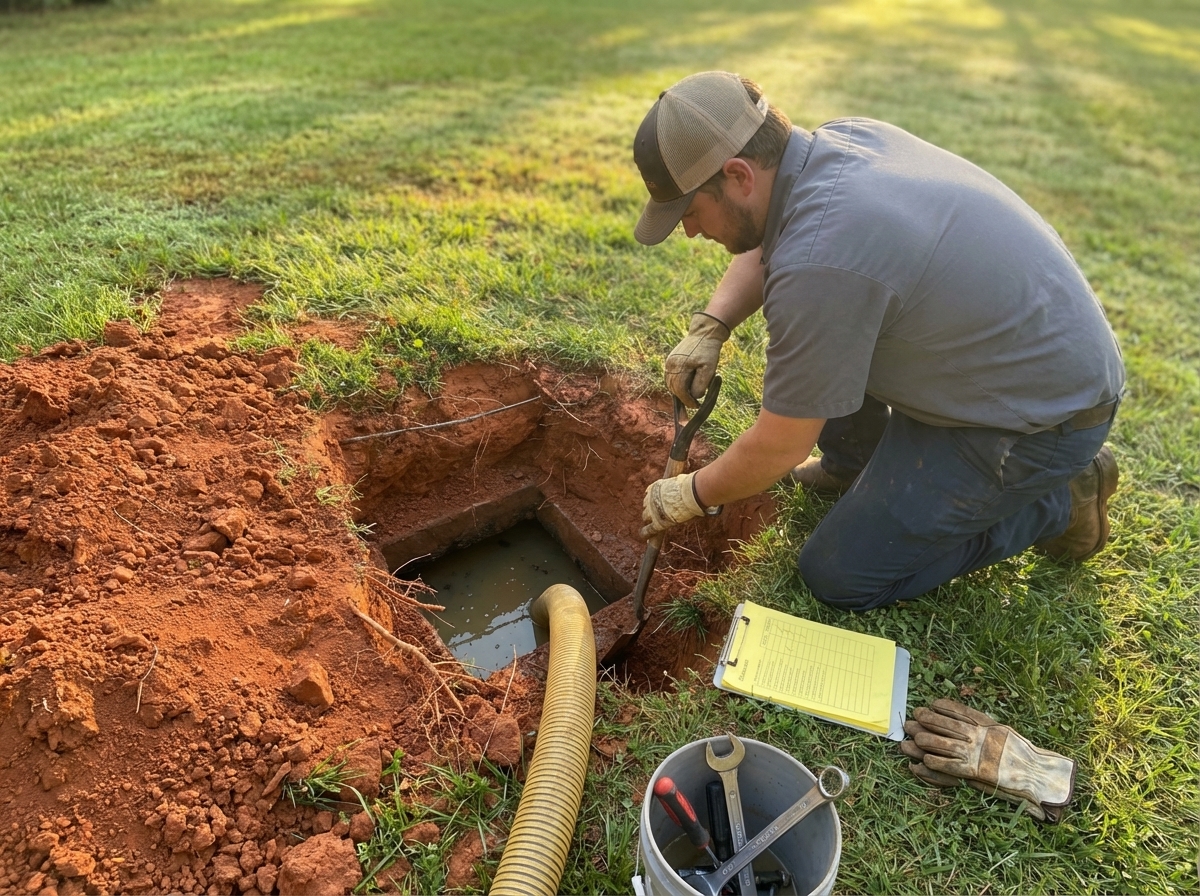
Spring rains can test the limits of your septic system. Preparing for these challenges means understanding maintenance basics, recognizing issues, and knowing how to clean critical components.
Understanding Spring Septic Maintenance
Spring septic maintenance is crucial for keeping your system running smoothly. Seasonal changes can put extra pressure on your system.
Start with a basic check-up of your system. Look for any signs of trouble, like slow drains or unpleasant odors. These might indicate issues that need immediate attention. Keeping a regular schedule for maintenance helps avoid surprises and costly repairs later on.
Next, consider booking a professional to inspect your system. They can spot problems you might miss. Regular check-ups ensure everything is working as it should. Keeping up with maintenance keeps your property safe and your septic system functioning properly.
Avoiding Hydraulic Overload Septic Issues
Preventing hydraulic overload is key to protecting your septic system during rainy periods. It’s when your system gets overwhelmed by too much water at once.
One way to avoid this is by monitoring water usage. Try to stagger laundry over multiple days instead of doing it all at once. This reduces the strain on your system. Another tip is to fix leaks right away. Even a small drip can add up to a lot of extra water over time.
Consider the impact of rainwater as well. Make sure gutters and downspouts direct water away from your septic area. This helps prevent the ground from becoming saturated, which can lead to overload.
Importance of Effluent Filter Cleaning
Effluent filters play a key role in keeping your septic system efficient. They trap solid waste, preventing it from clogging your drainfield.
Regular cleaning of these filters is crucial. Over time, they can become clogged, leading to backups. Aim to clean your filter at least once a year. This simple step can extend the life of your system and prevent expensive repairs.
If you’re unsure about cleaning the filter yourself, a professional can do it for you. They have the tools and experience to ensure it’s done correctly. Keeping your filter clean is a small task that makes a big difference in system performance.
Protecting Your System During Rain
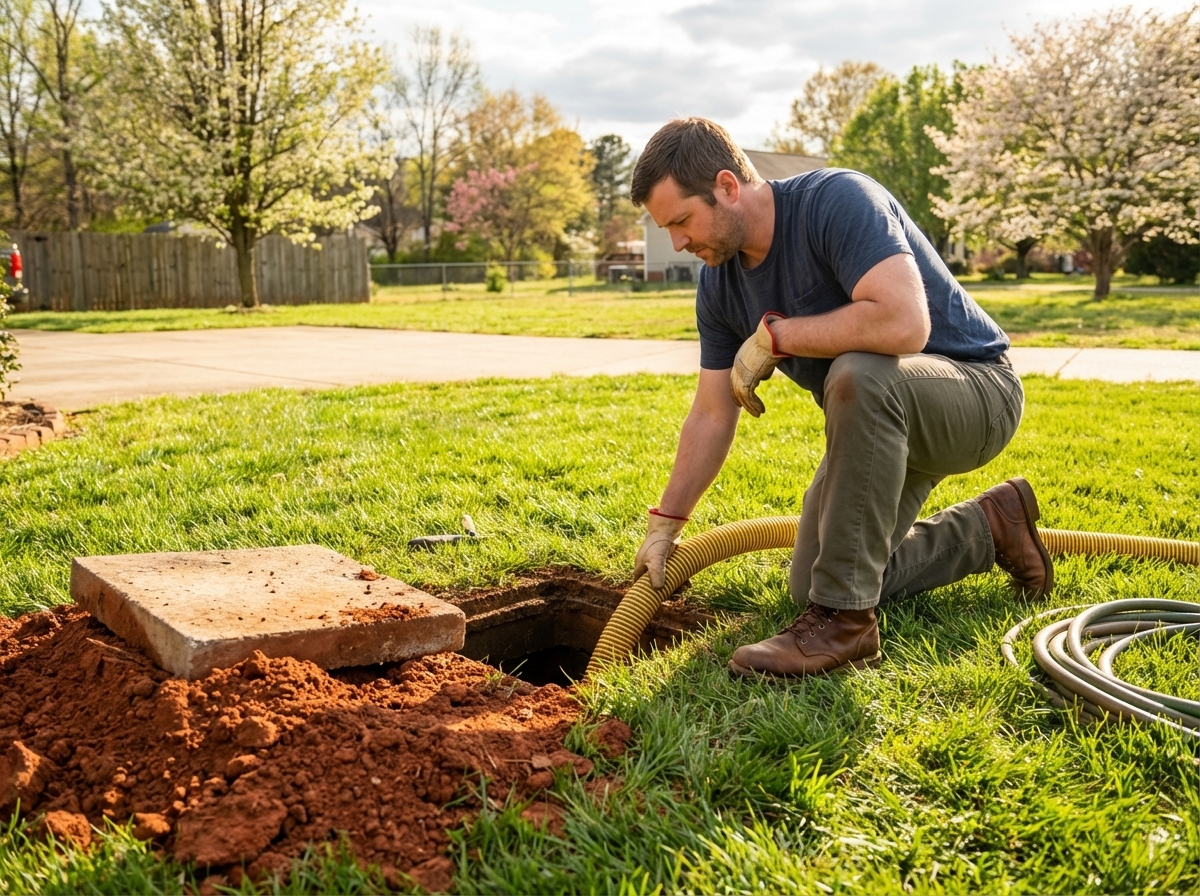
Protecting your septic system during heavy rain involves diverting stormwater, proper grading, and managing downspouts.
Stormwater Diversion Away from Drainfield
Directing stormwater away from your drainfield helps prevent saturation. This is vital for avoiding hydraulic overload.
Consider installing swales or rain gardens. These features catch and absorb excess water. Planting native vegetation can also help. Their roots absorb water, reducing runoff.
Another option is to use rain barrels. They collect water from your roof, keeping it from flooding your drainfield. Proper stormwater management keeps your septic system safe and functional.
Effective Grading Around Septic Tank
Proper grading around your septic tank ensures water flows away from the system. This prevents water from pooling, which can cause issues.
Check the slope around your tank. It should direct water away. If not, consider regrading. This might involve adding soil to create a gentle slope. It’s a simple fix that can prevent big problems.
In addition to grading, keep heavy equipment and vehicles away from your septic area. They can compact the soil, making drainage more difficult. Protecting your tank starts with smart landscaping choices.
Managing Downspout Extensions for Septic Safety
Properly managing downspout extensions ensures rainwater doesn’t overload your septic system. It’s a simple yet effective way to protect your system.
Ensure your downspouts extend at least 10 feet away from your drainfield. This distance helps prevent water from saturating the area. You can find extensions at any hardware store.
If you already have extensions, check them regularly. Make sure they’re directing water where they should. A small adjustment can make a big difference in keeping your septic system safe during spring rains.
Scheduling Professional Services
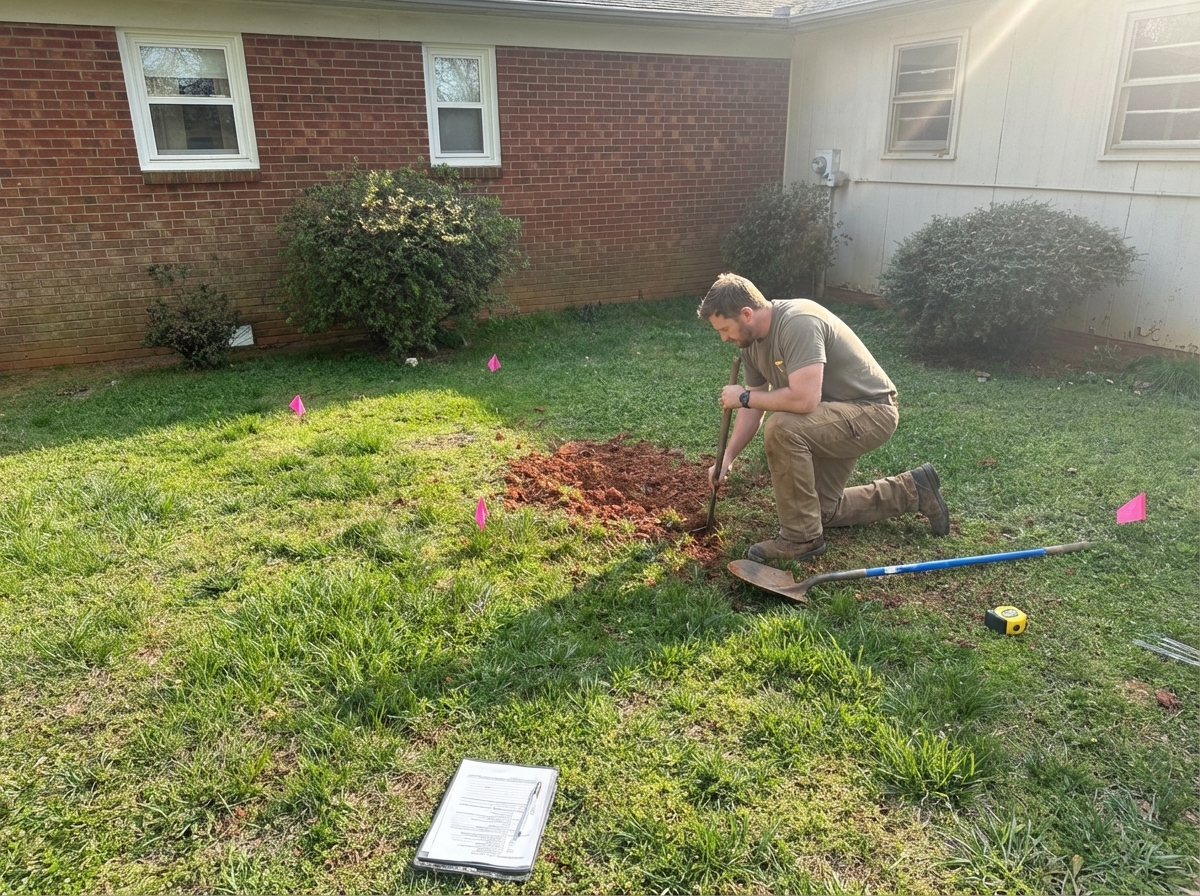
Professional services provide peace of mind by ensuring your system is ready for spring. Let’s look at some options for expert help in North Carolina.
Benefits of Albemarle Septic Inspection
An Albemarle septic inspection offers a detailed look at your system’s health. Professionals can identify problems early, saving you from costly repairs.
These inspections cover every part of your system: tank, drainfield, and all connections. They ensure everything is working as it should. If there’s a problem, inspectors provide solutions tailored to your needs.
Regular inspections are a smart investment. They keep your system running smoothly, protecting your property and wallet.
Choosing Union County Septic Service
Union County septic services offer reliable maintenance and emergency repairs. They’re a convenient choice for local homeowners.
Their team provides comprehensive services, from routine pumping to urgent fixes. They use advanced technology to ensure thorough inspections. This dedication to quality makes them a trusted partner for your septic needs.
Choosing a local service means faster response times and personalized care. You can count on them to keep your system in top shape.
Eco-Friendly Septic Solutions for Stanly County
For those in Stanly County, eco-friendly septic solutions offer a sustainable approach. These services align with modern environmental standards.
They focus on systems that minimize environmental impact. This might include water-saving technologies or natural filtration methods. By choosing green solutions, you contribute to a healthier environment.
Eco-friendly options not only protect the planet but can also reduce long-term costs. Sustainable systems often require less maintenance and last longer.
For more insights on septic system care, visit these external resources, here, and here.