12 Must-Ask Questions Before Installing a New Septic System in North Carolina
Installing a new septic system in North Carolina isn’t as simple as picking the first option you find. Choosing the wrong system can lead to costly repairs, code violations, or even groundwater damage. Ask the right questions before you start to make sure your system fits your property and your budget. This guide covers the essential septic system questions to ask so you can make a confident, informed choice. For more information, check out this resource.
Essential Questions to Ask
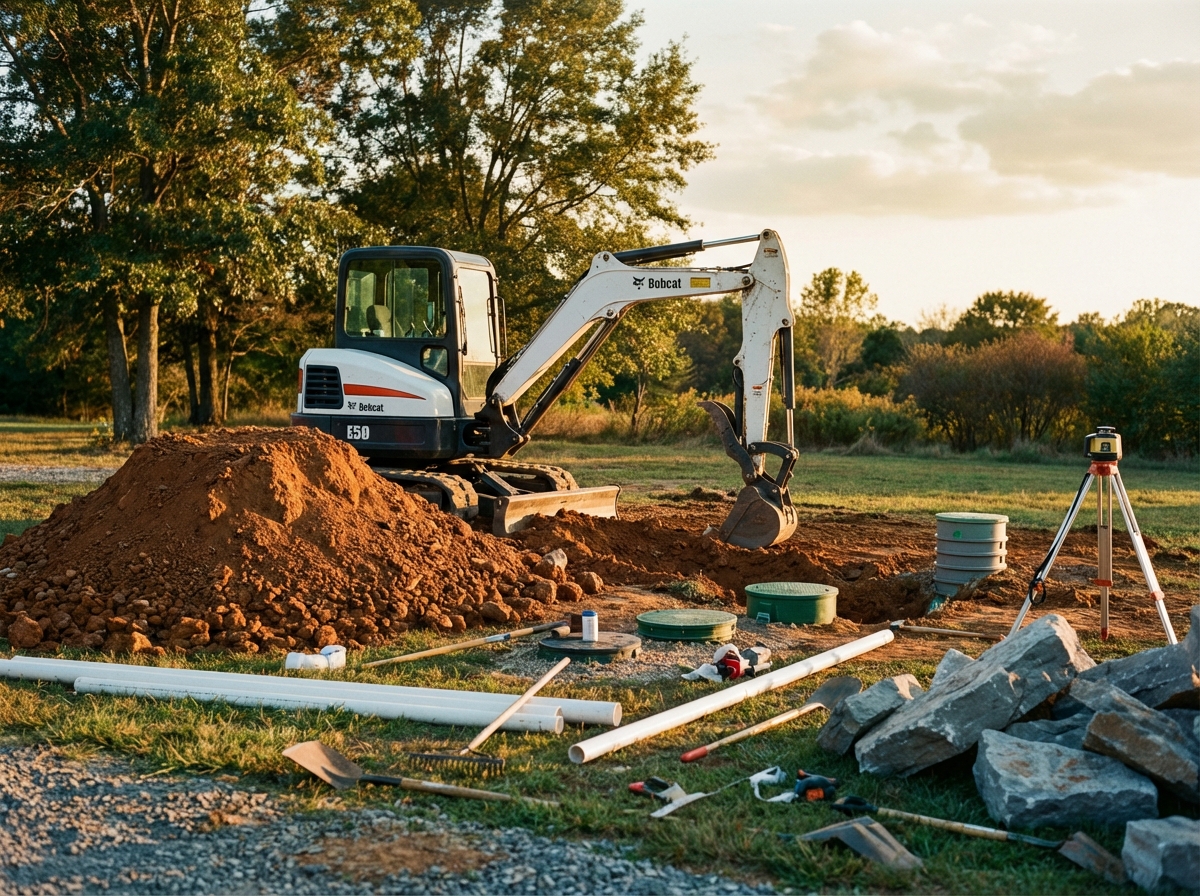
Getting the right septic system involves understanding key factors about your site, regulations, and options. Let’s dive into the essentials.
Septic Installation North Carolina
Installing a septic system in North Carolina involves more than just digging a hole and dropping in a tank. It’s a process that requires careful planning. Understanding your land is the first step. You need to know if your property can handle a septic system, which means conducting a soil and site evaluation. This evaluation helps determine the type of system suitable for your land, ensuring efficiency and compliance.
One crucial aspect is understanding the water table and soil composition. Clay-rich soils might not drain well, leading to potential system failures, while sandy soils could result in quick drainage but less filtration. This is where a perc test comes into play. It measures how well your soil absorbs water, providing the necessary data for system design.
Soil and Site Evaluation Importance
A thorough soil and site evaluation can save you from future headaches. It’s not just about checking the soil; it’s about understanding your land’s unique characteristics. This evaluation is crucial because it affects the type of system you can install and its long-term performance.
Hiring a professional to conduct this evaluation is wise. They will assess factors like slope, proximity to water bodies, and existing vegetation. This information helps in designing a system that minimizes environmental impact and follows local regulations. You might think your land is ready, but without this step, you could face significant delays or additional costs.
Septic Permit NC Requirements
Permits are not just bureaucratic red tape; they ensure your system meets safety and environmental standards. In North Carolina, obtaining a septic permit is mandatory before installation. This process verifies that your planned system aligns with local health department regulations.
Start by contacting your county health department. They will guide you through the application, which includes submitting your soil and site evaluation report. Don’t skip this step; operating without a permit can lead to fines and costly modifications. Remember, a permit isn’t just a piece of paper; it’s your assurance that your system is up to code.
Choosing the Right System
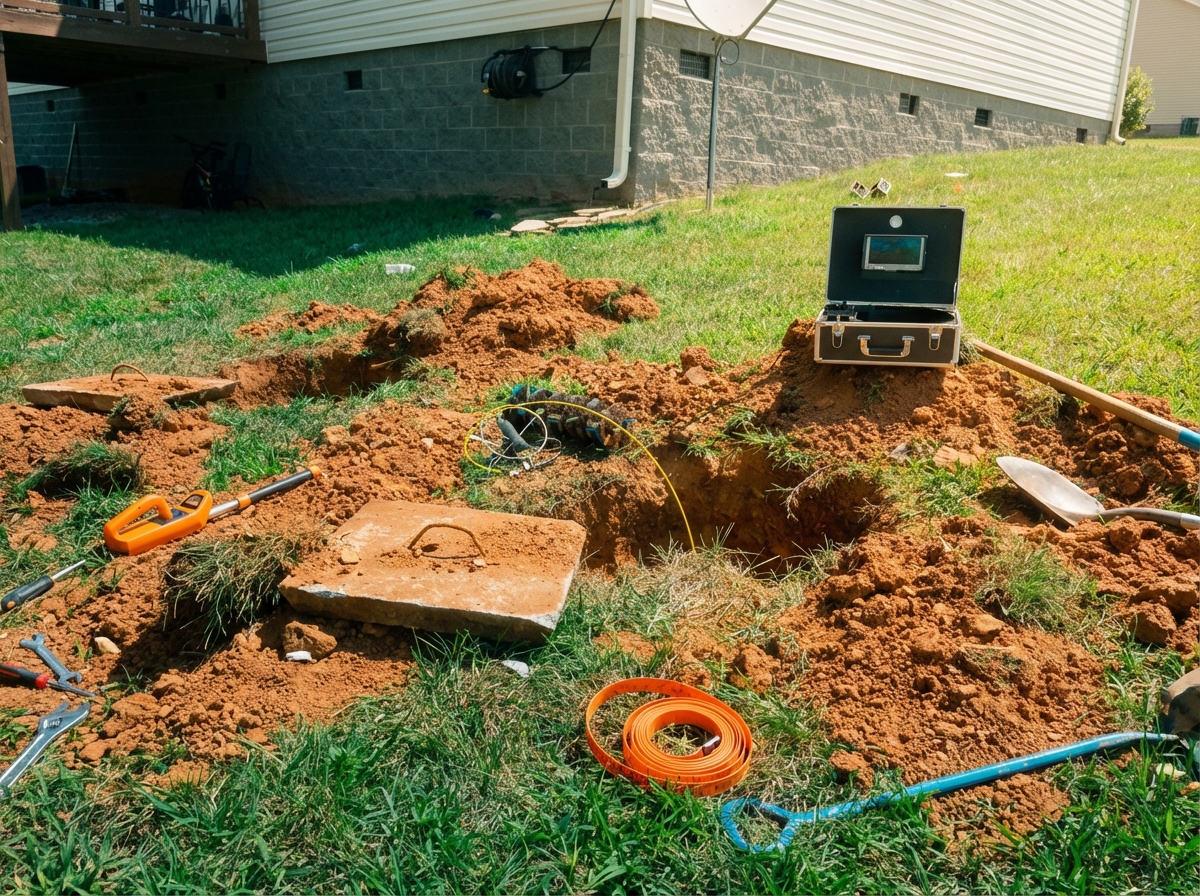
With the groundwork laid, it’s time to choose the system that best fits your needs. Each type has its benefits and challenges, so understanding them is key.
Gravity vs Pump Systems
Most people assume all septic systems work the same, but this isn’t true. Gravity systems use the natural slope of the land to move waste through the system, making them less expensive and easier to maintain. However, they require specific site conditions, like adequate slope and soil type.
Pump systems, on the other hand, use mechanical pumps to move waste. They are ideal for flat or challenging terrains. While they have higher upfront costs and maintenance, they offer flexibility in system placement. Consider your site’s topography and budget when deciding between these options.
Advanced Treatment Unit Options
If you’re looking for something beyond the basics, consider an advanced treatment unit (ATU). These systems offer enhanced treatment capabilities, making them suitable for environmentally sensitive areas. They break down waste more efficiently, reducing potential environmental impacts.
ATUs are particularly beneficial in areas where traditional systems might not be feasible due to soil or space constraints. They offer peace of mind that you’re not just meeting basic requirements but going above and beyond to protect the environment. Keep in mind, though, that these systems may require more maintenance and regular inspections.
Eco-Friendly Septic Solutions
Environmental responsibility doesn’t stop at recycling; it extends to how we manage waste. Eco-friendly septic solutions are designed to minimize environmental impact. These systems use natural processes to treat wastewater, reducing the need for chemicals and energy.
Options include systems that promote better water infiltration and those that use plant-based filtration technologies. Choosing eco-friendly options not only benefits the environment but can also enhance property value. It’s a myth that these systems are costlier; in many cases, they offer long-term savings and sustainability.
Cost and Maintenance Considerations
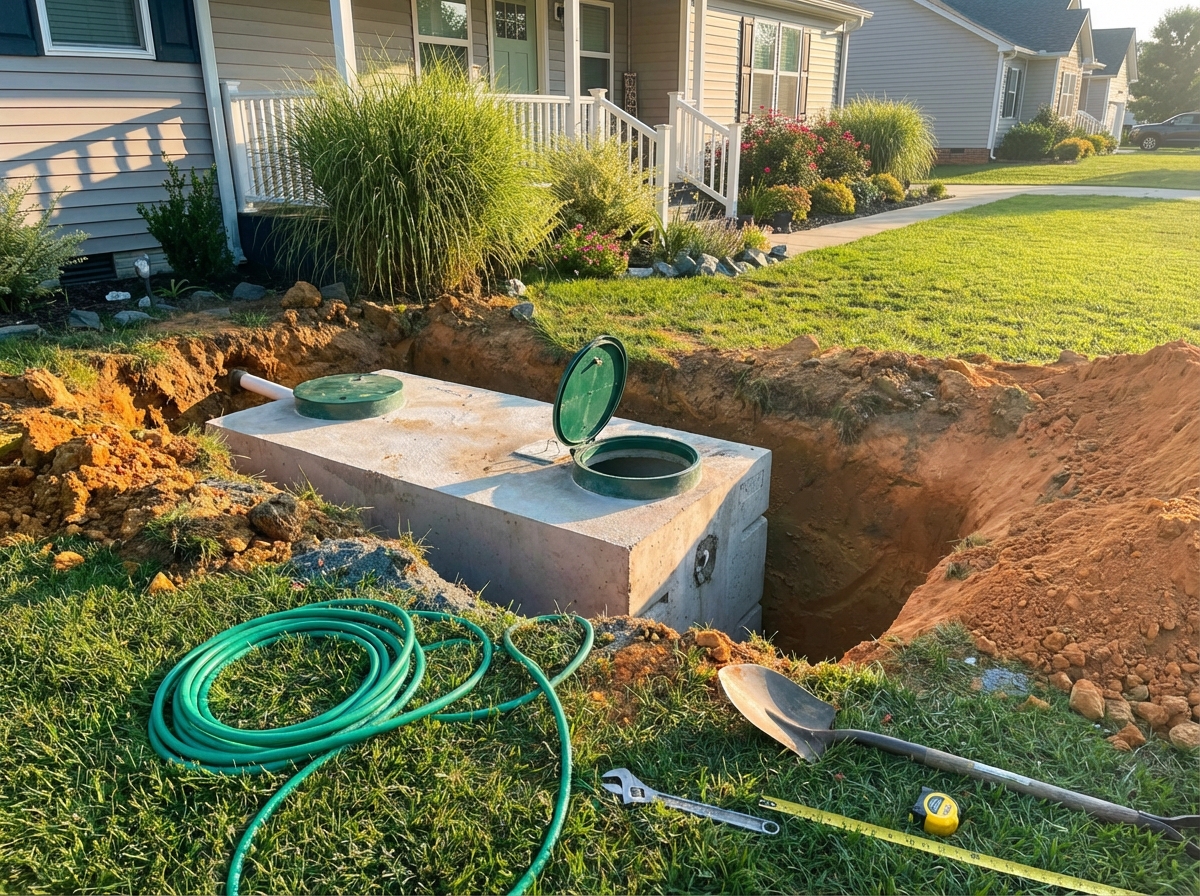
Now that you’ve selected a system, understanding the costs and upkeep is crucial for long-term satisfaction.
Septic Installation Cost NC
The cost of installing a septic system in North Carolina varies based on several factors, including system type, soil conditions, and site accessibility. On average, expect to spend anywhere from $3,000 to $15,000. Gravity systems tend to be on the lower end, while pump systems and ATUs can push costs higher.
It’s essential to budget for more than just installation. Consider the costs of permits, site preparation, and potential landscaping. Get multiple quotes from reputable installers to ensure you’re getting the best value. Remember, a lower price tag might mean cutting corners, leading to higher costs down the road.
Septic Warranty and Maintenance Plan
A warranty is your safety net. It assures you that the system will function as promised. Most systems come with a 1 to 5-year warranty. Ensure you understand what it covers, from parts to labor.
Maintenance is equally important. Regular inspections and pumping can prevent major issues, saving you money and stress. Ask your installer about maintenance plans. These plans typically include routine checks and servicing, ensuring your system runs smoothly for years.
Effluent Filter and Controls
Often overlooked, an effluent filter and controls are essential for maintaining system efficiency. These components prevent solids from entering the drainfield, protecting your system from clogs and failures.
Investing in a quality filter can extend your system’s life. Some systems come with alarms that alert you to potential issues, allowing for timely intervention. Regularly cleaning or replacing these filters is a small task that can prevent costly repairs. Always consult with your installer on the best practices for maintaining these components.
With these insights, you’re now equipped to make informed decisions about your septic system. Prioritize understanding your land, choosing the right system, and planning for maintenance to ensure a hassle-free experience. For further guidance, explore more frequently asked questions about septic systems.