
A low toilet flange can cause leaks, toilet rocking, and that stubborn sewer gas smell in your bathroom. Many North Carolina homeowners don’t realize that a simple toilet flange extender can fix these issues and protect your floors and septic system. In this guide, you’ll learn when to use a flange extender and why professional installation from Dahl Septic Services keeps your home safe and dry.
Understanding Toilet Flange Extenders
Toilet flange extenders can be the solution to those annoying leaks and wobbly toilets. Let’s explore what they are and why they matter.
What is a Toilet Flange Extender
A toilet flange extender is a simple device that raises the flange height. Imagine a thin ring that sits under your toilet base to create a better seal. This tool helps when the flange is too low due to floor changes or other issues. If your toilet isn’t sealing right, this might be the fix you need. Flange extenders come in various materials, like PVC, and are easy to find at home improvement stores.
Importance of Correct Flange Height
Getting the flange height right is crucial. A flange that’s too low can lead to leaks and an unstable toilet. This not only damages your bathroom floor, but also creates a breeding ground for bacteria and mold. These issues can eventually affect your septic system negatively. Setting the right height ensures a snug fit, preventing the dreaded toilet rocking and unpleasant smells like sewer gas. Keep your bathroom safe and smell-free with the correct flange height.
When You Need a Flange Extender
You might need a flange extender during a bathroom remodel or if you’ve replaced your flooring. If you’ve noticed water pooling at the base of your toilet or a persistent sewer gas smell, it’s time to check the flange height. Uneven floors can also create gaps that require a quick flange height adjustment. A flange extender can be your go-to solution, ensuring your toilet sits securely and your bathroom remains dry.
Installation and Maintenance Tips
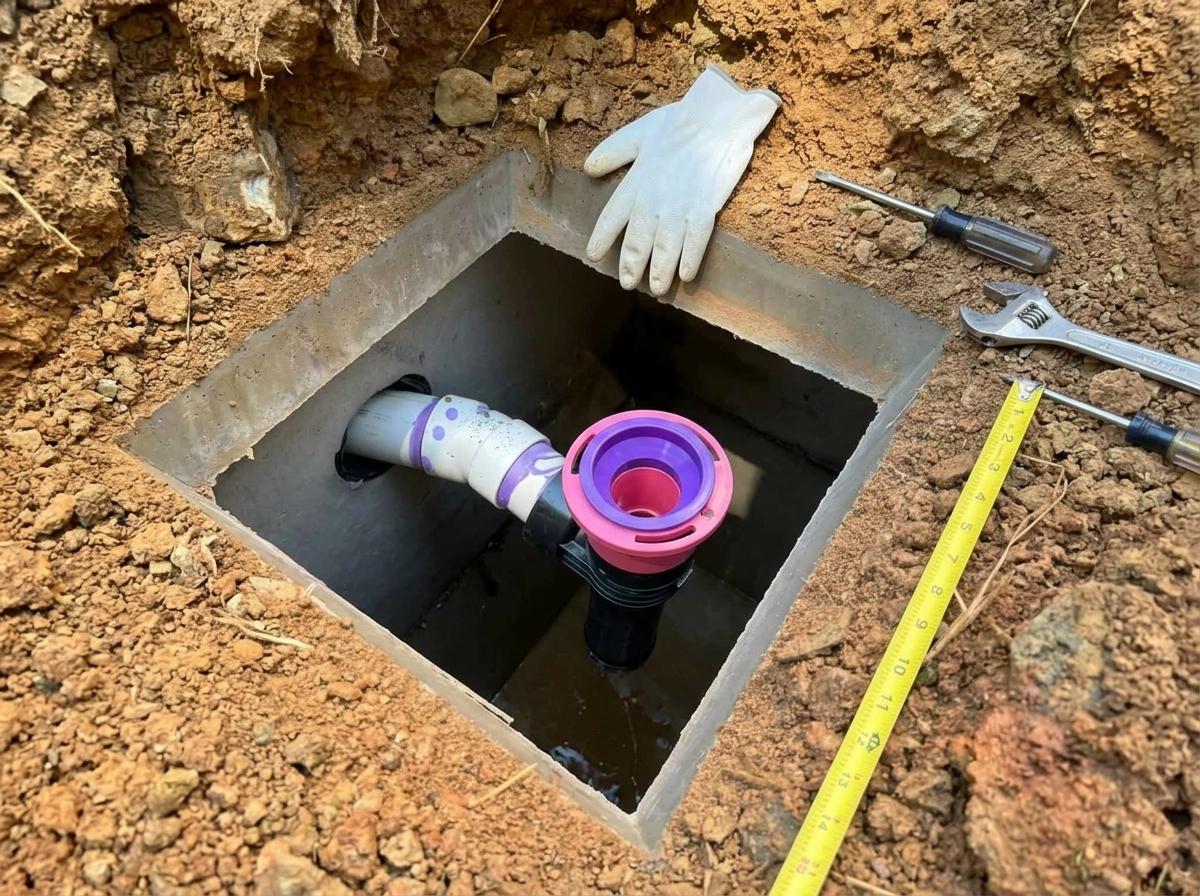
Installing a flange extender might sound simple, but professional help ensures long-lasting results. Here’s how to get it right and avoid common pitfalls.
Steps for Professional Installation
Remove the Toilet: Start by turning off the water and removing the toilet.
Check Flange Height: Measure the current flange height. If it’s below floor level, a flange extender is needed.
Install the Extender: Add the flange extender on top of the existing flange. Secure with screws.
Reattach the Toilet: Carefully place the toilet back, ensuring a tight seal with the extender.
Following these steps prevents leaks and ensures a stable fit. Professional installation is highly recommended for optimal results.
Choosing the Right Materials
Selecting the right materials is vital. PVC flange extenders are popular due to their durability and resistance to corrosion. When choosing an extender, ensure it matches your existing flange. Proper material selection prolongs the life of your installation and keeps your bathroom in check. Don’t settle for cheap materials, as they can lead to future issues, such as leaks or instability.
Common Mistakes to Avoid
Avoid these pitfalls to keep your toilet in top shape:
Skipping Measurements: Always measure the flange height before purchasing an extender.
Using Poor Quality Materials: Cheap materials might seem cost-effective, but they can cause frequent repairs.
Improper Installation: An improperly installed extender can lead to leaks. Professional help ensures lasting results.
Professional Septic Services
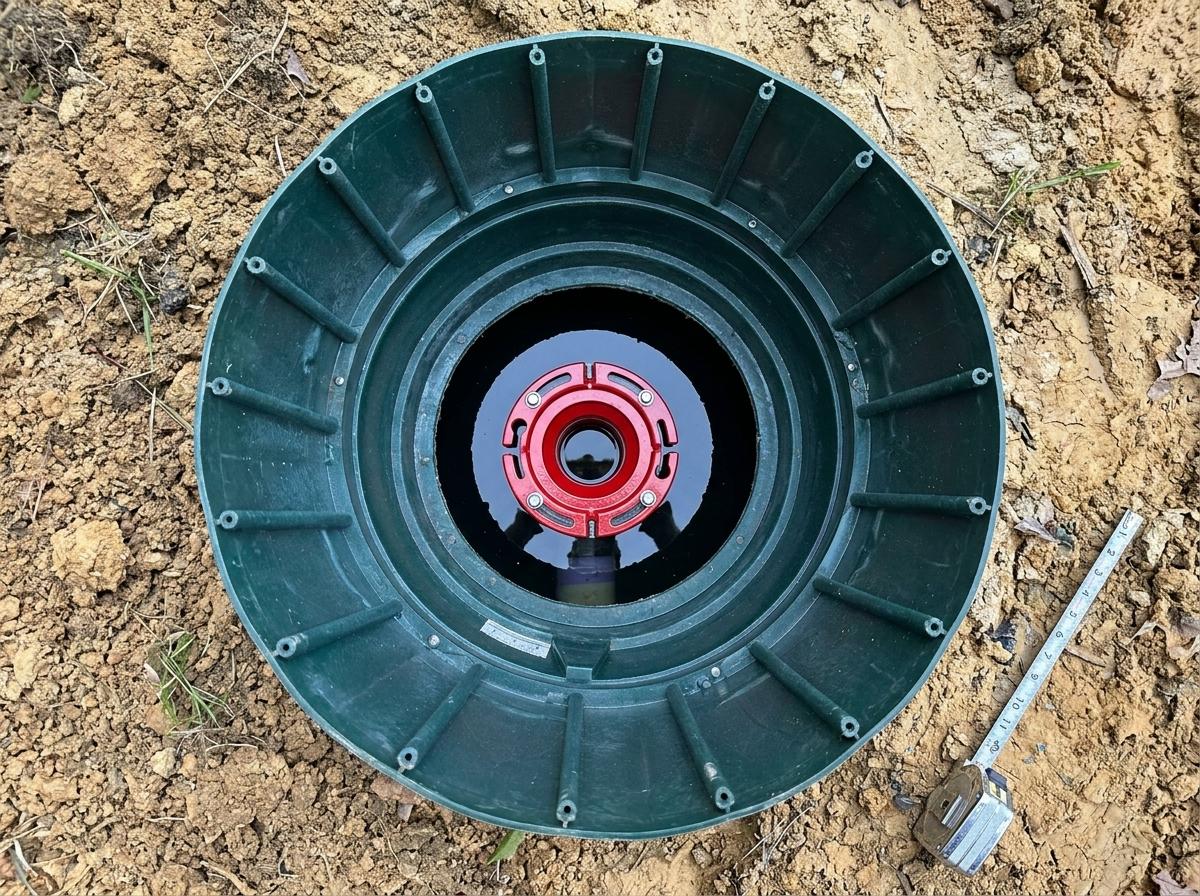
Expert assistance offers peace of mind by ensuring your toilet flange is installed correctly. Discover how professionals can help.
Benefits of Expert Assistance
Choosing professional services saves time and prevents future problems. Experts have the right tools and experience to get the job done efficiently. Their knowledge ensures that your installation is secure and long-lasting. Plus, with a professional’s touch, you can avoid the headaches of a DIY mishap. This is especially true if your project involves more than just the flange extender.
Inspection and Repair Services
Regular inspections can catch issues before they turn into costly repairs. Dahl Septic Services provides camera sewer inspections in NC, ensuring your system works efficiently. Regular maintenance and prompt repairs keep your system healthy, preventing bigger issues down the line. An expert eye can spot potential problems that an untrained eye might miss.
Why Choose Dahl Septic Services
Choosing Dahl Septic Services means picking reliability and expertise. With extensive experience in Albemarle septic services, we guarantee satisfaction and peace of mind. Our team ensures that your septic and toilet systems work seamlessly together. Our customer-centric approach is designed to cater to your specific needs, providing solutions that last.
Frequently Asked Questions
What does a toilet flange extender do?
A toilet flange extender raises the flange height to ensure a proper seal between the toilet and the floor. It’s used when the existing flange is too low.
How do I know if my flange is too low?
You might notice the toilet rocking or see water pooling around the base. A noticeable sewer gas smell can also indicate a low flange.
Can I install a flange extender myself?
While some DIY enthusiasts can manage, professional installation guarantees the best results and prevents potential issues.
What materials are best for a flange extender?
PVC is a common choice due to its durability and resistance to corrosion. Ensure the material matches your existing flange.
Why should I choose professional septic services?
Professionals provide expertise and prevent costly mistakes. They ensure that installations and repairs are done correctly the first time.